
I Am... Viral Pork Dumpling Lasagna Recipe
These viral dumpling lasagna guys are here to stay. I LOVE dumplings. To me, they are the perfect food: juicy meat and a tiny bit of vegetables all wrapped up in a noodle-y dumpling wrapper. Dumplings are an instant hunger fixer. Mike and I always, always have a bag of frozen dumplings in the freezer. One of my all time favorite dumpling types is xiao long bao (aka Shanghai soup dumplings). If you’re into Shanghai food or even remotely into dumplings, you’ve probably heard about them. Soup dumplings are notoriously finicky to make and most people just go out to dedicated XLB restaurants like Din Tai Fung or buy frozen ones to steam at home. Making soup dumplings from scratch is no joke: you need to make a rich gelatin stock, chop a bunch of aromatics, and make thin and pliable dumpling wrappers. All of that is before you even think about shaping the dumplings, which, is an art. I tried it…once. Let’s just leave it at that. Like most delicious things nowadays, there’s always a hack and although this recipe looks nothing like soup dumplings, I can honestly say it’s legit delicious.
What is dumpling lasagna?
Dumpling lasagna is exactly what it sounds like: an extra large dumpling, in lasagna form. Think: layers of thin noodle-y wonton wrappers layered with a savory gingery pork mix and tender cabbage. Instead of baking, this lasagna steams up into a tender, layered, spoonable dumpling. Douse your dumpling lasagna with chili crisp and a big splash of soy sauce and black vinegar and get ready for heaven.Who invented dumpling lasagna?
I first saw it on TikTok via april_eatz. She wanted an easy-to-make dumpling, so instead of folding up individual dumplings, she layered a pork dumpling mixture with cabbage and wonton wrappers. It took off and it looks like dumpling lasagna is here to stay.TikTok soup dumpling ingredients
- ground pork - ground pork is the perfect dumpling filling. It’s flavorful and has just the right amount of fat content. You don’t want a super lean meat for dumpling filling because the fat is what makes everything juicy and tender.
- wonton wrappers - super easy to find wonton wrappers are going to be our noodle layers. If you’ve never bought them before, just head to the area where they keep the tofu. They come in little square refrigerated packages. I LOVE wonton wrappers. They’re incredibly versatile: you can make wonton soup, spicy chili oil wonton, crisp salad topper strips and even classic mini lasagna cups.
- vegetables and aromatics - finely chopped (or sliced, if you prefer) cabbage adds a bit of heft and sweet juiciness and fresh ginger and thinly sliced green onions add a nice aromatic bite.
- seasoning - using a mix of soy sauce, Shaoxing wine, toasted sesame oil, salt, and white pepper are going to give this lasagna dumpling a super authentic, savory, deeply delicious flavor. If you don’t have Shaoxing wine, you can skip it, but if you’re a fan of Chinese food, Shaoxing wine is a great ingredient to keep in your pantry. It’s available online and in all Asian grocery stores. It’s hard to describe its flavor, but it’s nutty, sweet, earthy, and aromatic. When you get take out Chinese food and there’s a flavor that you can’t quite put your finger on, but love, it’s probably Shaoxing wine. You can read more about it here.
- chicken stock - a splash of chicken stock gives the dumpling lasagna some liquid so they can steam up extra juicy.
- toppings - chili crisp, soy sauce, Chinese black vinegar, toasted sesame seeds, sliced green onions, basically anything and everything that you like in your dumpling dipping sauce.
How to make TikTok soup dumplings
- Prep - start off by prepping the dumpling filling mix: thinly slice or chop the cabbage, slice the green onions, and mince the ginger. Set up a steamer over medium high heat by adding 2 inches of water to a large, wide pot. Set a wire rack inside the pot and make sure you have a lid that fits over top.
- Mix - add everything to a large bowl and mix in the ground pork, soy sauce, Shaoxing wine, toasted sesame oil, salt and a bit of pepper.
- Layer - grab 4 ramekins and alternate layers of wonton wrappers and the pork filling. before the last layer of wonton wrappers, add 3 tablespoons of chicken stock to each ramekin.
- Cover - Finish off with a layer of 2 wonton wrappers per ramekin.
- Steam - bring the water to a boil and then turn the heat down to medium-high. Steam the dumping lasagnas for 20 mins or until cooked through.
- Enjoy - carefully remove the ramekins from the steamer and let cool slightly. Enjoy the lasagna dumplings topped with chili crisp and desired toppings.
Big soup dumpling lasagna
Most of the dumpling lasagnas floating around out there are for individual sized dumplings in small ramekins or cocottes, but if you don’t have ramekins, you can make a giant dumpling lasagna. The only thing is, it’s a bit difficult to steam a large pan. If you can steam a large pan, I recommend it, but if you can’t, you can also bake your dumpling lasagna. For a big dumpling lasagna, layer all the ingredients in a casserole dish and top with 1 cup of chicken stock. Cover with foil and bake in a 350°F oven for 30 minutes, then remove the foil and check to see if the pork is cooked through. When cooked through, remove from the oven, top with dumpling sauce, chili crisp, and toasted sesame seeds. Scoop up and enjoy hot. Depending on the size of your casserole you may need to double up the ingredients.Dipping sauce
Although there isn't a way to dip a whole dumpling lasagna, the traditional way to eat XLB is with a little black vinegar and ginger. In these photos (and IRL) I topped our lasagna with a little black vinegar and some green onions. If you don't have black vinegar on hand, try it with 1 part balsamic/1 part rice vinegar, or even all rice vinegar. Try it with a little spoonful at first to see if you like it. That’s it! I hope you enjoy this, I love both lasagna and dumplings so I had fun making and eating these guys. We had a chill, rainy winter lunch over lasagna dumplings and they really warmed me up, inside and out. Mike liked them too!Other dumpling recipes
- Tiktok One Pan Dumpling Bake
- Blanket Dumplings
- Chinese Pork Dumplings Recipe
- Homemade Pork and Garlic Chinese Potsticker Dumpling Recipe
Tiktok Soup Dumpling Lasagna Recipe
Dumpling lasagna is an easy to make version of classic xiao long bao, but lasagna.
- 1/2 lb ground pork
- 1 cup cabbage (finely chopped)
- 1/4 cup thinly sliced green onions
- 1 tbsp ginger (minced)
- 1 tbsp soy sauce
- 1 tbsp Shaoxing wine (optional)
- 1 tsp toasted sesame oil
- 1/2 tsp salt
- 1/4 tsp white pepper (or black pepper)
- 1 package fresh wonton wrappers
- 1/2 cup chicken stock
Lay out 3 ramekins or small heat proof bowls about 3.5" wide and 2" deep.
In a large bowl, mix together the ground pork, cabbage, green onions, ginger, soy sauce, Shaoxing wine (if using), toasted sesame oil, salt, and white pepper. If you don’t have white pepper, you can sub in black pepper.
Into the ramekins, add a 1 tbsp layer of the pork dumpling mix, then top with a wonton wrapper. Continue alternating pork and wonton wrappers until you almost reach the top, about 8 layers. Just after the final layer of pork mixture, add about 2.5 tbsp chicken stock to each of the ramekins.
Finish with a layer of 2 wonton wrappers.
Steam for 20 minutes or until the pork is cooked through.
Remove from the steamer, let cool slightly, and enjoy with desired toppings.

I Am... Cloud Bread Recipe: How to make that viral TikTok bread
If you've never made it before, you owe it to yourself to try this cloud bread because super fluffy cloud bread is so jiggly and cute. After seeing multiple people ripping into and squishing their TikTok cloud bread, I just HAD to make some myself.
What is TikTok cloud bread?
If you’re on TikTok and you’ve looked under #cloudbread you’ve probably seen the fluffiest, most impossible giant puffs of bread you’ve ever seen. All you need to make it is egg whites, sugar, and cornstarch. Cloud bread is essentially a softly baked meringue with some rebranding. If you’re not sure what a meringue is: it’s a type of dessert made from whipped egg whites and sugar. Sometimes a binder (in this case cornstarch) is added to give it a bit more structure. Meringues taste kind of marshmallow-y when gently baked and light and crispy when baked and dried out longer. If you’ve had pavlova or lemon meringue pie or macaron, you’ve had meringue and by extension, cloud bread.Ingredients for cloud bread
- Egg whites. Egg whites are what give your cloud bread fluffiness and loft. If you’re going to separate egg whites yourself, be sure to not get ANY yolks into the whites or they won’t whip up. It’s better to separate your eggs while they’re cold, but they will whip up better if they’re at room temp. You can also just buy egg whites in a carton at the store, which is what I did. You’ll need 3 large egg whites or about 6 tablespoons of egg whites from a carton.
- Sugar. Just use regular white sugar. Sugar is what is going to stabilize your egg whites and let them fluff up even more. The sugar is also going to make your cloud bread just a little bit sweet.
- Cornstarch. You just need a tiny bit of cornstarch in your cloud bread, to help soak up any extra liquid in your meringue. Cornstarch also helps make your meringue shiny.
- Food coloring. This is optional, if you want to make your clouds colorful.
How to make cloud bread
- Whip the egg whites. Add your egg whites to a very clean, grease free bowl. Start to whip your egg whites on medium-low, until frothy and pale.
- Stir in sugar. Add the sugar, a little bit at a time on high, until the sugar dissolves and the egg whites start to foam up.
- Add the cornstarch. I like to sift the cornstarch in so that there are no lumps. Continue to whip on high until the egg whites become a glossy thick meringue that holds a peak. The egg whites are done when you lift the beater from the bowl and they hold a peak and look smooth and creamy like shaving cream If you tilt the bowl, the whites should not slide. Be careful not to over whip.
- Transfer the cloud. Use a rubber spatula to scoop out the meringue and shape into a cloud on a parchment paper (or silicone sheet) lined baking sheet.
- Shape the cloud. Using the same rubber spatula, try to smooth it out as much as you can.
- Bake. Bake in a low oven until golden and cooked through.
What does cloud bread taste like?
To be honest, this cloud bread is more looks than taste. Maybe just like TikTok? It’s beautifully fluffy and full of tiny air bubbles and very squishy and satisfying but it’s not the most delicious. It’s light and airy and reminiscent of a marshmallow. It kinda tastes like angel food cake texture wise, but not taste wise.Tips and Tricks
- Make sure your egg white whipping equipment is completely clean and free from fat or oil or your egg whites won’t whip up.
- Similarly, make sure there are ZERO egg yolks in your egg whites.
- Separate your eggs while they’re cold, but beat them up with they’re at room temp.
- Don’t add all the sugar at once. Your meringue will be fluffier if you add it in gradually, 1 tablespoon at at a time.
- Don’t over beat! If you meringue starts to look grainy or really wet, it means your egg whites have been over-beaten and your cloud bread won’t be fluffy.
Cloud bread FAQs
How do I whip the egg whites?
Make sure your utensils are COMPLETELY clean and there is absolutely no oil or fat residue on your whisk or bowl. If you break your yolks as your separating the eggs the whites won’t whip up. Use a stainless steel or glass bowl and make sure it’s completely clean. Don’t use silicone or plastic bowls or utensils – even when they seem clean, there’s a possibility of oily residue that will make it hard for your eggs to whip up properly. Whipping egg whites takes time, so don’t be surprised if it takes a while for them to whip up.Why didn’t my egg whites whip up? I’ve been beating them forever!
If your egg whites didn’t get fluffy it’s because there was oil or fat in your egg whites. Oil or fat is the enemy of whipping up meringues. Fat interferes with how the proteins in egg whites bond together to whip up. If you’re separating your egg whites by hand and there is fat on your hand, your whites might not whip up. If there is any oil or fat on your whisk or in your bowl, your egg whites won’t whip up.How can I make my egg whites whip up?
You can try adding a touch of cream of tartar (1/4 teaspoon), vinegar (1/4 teaspoon), or lemon juice (1/4 teaspoon) to help whip up your eggs. Cream of tartar, vinegar, and lemon juice are all acids that help stabilize the egg whites and encourage them to get extra whipped.Why didn’t my cloud bread bake through?
If your cloud bread is golden brown on the outside but still under baked on the inside it might be because your oven is running too hot. Some ovens aren’t calibrated well or have hot spots. It probably means that the oven was too hot and that the outside of the bread cooked faster than the inside. Cloud bread bakes at a very low temperature. If the inside of your cloud bread is raw, you can just put your cloud bread back into the oven until it is baked through.Does it taste like eggs?
Cloud bread is made from 3 ingredients: egg whites, sugar, and cornstarch. The egg whites are make up the majority of the recipe so it’s only natural that cloud bread will taste like eggs. If you want a sweeter cloud bread to help it taste less like eggs, add a 1/4 cup of sugar. Warning: if you do this, your cloud will not be as fluffy.Do I need a stand-mixer to make cloud bread?
Technically you don’t need a stand mixer. You can whip these up with a regular whisk or a hand mixer. But it will take a REALLY long time and a lot of arm muscle. You can do it! I use this milk frother and it works amazingly.Why is my cloud bread wrinkly?
That’s just the nature of cloud bread! Because it’s not a cake with a significant amount of flour to stabilize it, it will get wrinkly as it cools, kind of like a soufflé. It’s best to enjoy it while it’s still a bit warm :)Can I make cloud bread in advance?
Unfortunately, just like clouds, cloud bread is extremely fleeting. You can’t make it in advance because the longer it sits, the more wrinkly and shrunken it’ll get. Cloud bread is best made and eaten fresh from the oven.Substitutes for cornstarch
If you don’t have cornstarch, which is also known as cornflour, you can use regular all purpose flour. The amount of flour is very small so it won’t make a difference.Substitutes for sugar
If you don’t have cornstarch, which is also known as cornflour, you can use regular all purpose flour. The amount of flour is very small so it won’t make a difference.Why does my cloud bread taste like eggs?
Cloud bread only has three ingredients: egg whites, sugar, and cornstarch. It’s tastes like eggs because eggs are the main ingredient. If you want it to be sweeter, more meringue-like and less eggy, you can make it with more sugar or add some extracts like vanilla or almond. Instead of using 2.5 tablespoons of sugar, use 6 tablespoons. Add 1 teaspoon of vanilla or almond extract. The cloud bread will be a bit stiffer and not as fluffy but it will taste more like meringue! hoping you have a fluffy day! xoxo stephCloud Bread Recipe
3 ingredient fluffy TikTok viral cloud bread
- 3 large egg whites (about 6 tbsp)
- 2.5 tbsp sugar (~30g)
- 1 tbsp cornstarch (~10g)
- food coloring (optional, see note)
Heat the oven to 300°F. In the bowl of a stand mixer, use the whip attachment to whip the egg whites on medium high until frothy.
Add the sugar slowly, 1 tablespoon at at time and whip on high until small bubbles start to form.
Sift in the cornstarch and continue to whip on high until the whites are whipped up into a glossy thick meringue that holds a peak, about 5-6 minutes.
Scoop out the meringue on to a parchment paper lined baking sheet and shape into a fluffy cloud or mound.
Bake for 20-25 minutes. The outside will be a light golden brown. Let cool and enjoy the fluff!
Optional: If you want to add flavoring (baking extracts) or color into your cloud bread, add it in when you add your cornstarch.
Estimated nutrition is for one loaf.
Recipe via @linqanaaa and @abimhn

I Am... Best Hatch Chile Recipes to Make Right Now
Hatch chile season is one of the most magical seasons of all.
The little green chile that could comes from New Mexico and is the backbone of so many wonderful New Mexican and Southwestern dishes. Hatch season starts at the end of summer and goes into the beginning of fall. If you’ve ever visited the Southwest, you’ve definitely seen the well deserved love for Hatch green chiles.
It’s a strangely famous pepper considering how small the growing season and region is. They’re actually just like the grapes of the Champagne region in France – if the grapes aren’t grown in Champagne, what you make from them isn’t really champagne, it’s just sparkling wine. Similarly, you can grow Hatch chiles elsewhere but if they’re not grown in the Hatch Valley of New Mexico, they’re not real Hatch chiles and they won’t taste quite the same.
What are Hatch chiles?
Hatch chiles are a green chile pepper grown in the Hatch Valley of New Mexico. They’re sweet, smoky, long green peppers that taste amazing fresh and even more delicious when roasted. Hatch chiles come in both red and green. The red Hatch chiles are chiles that have been left to ripen longer than the younger green chiles. They come in mild, medium, spicy, and x-hot varieties.
Where are Hatch chiles from?
Hatch chiles are grown in the Hatch Valley of New Mexico. If it isn’t grown in Hatch, it isn’t a Hatch chile. There are actually several varieties of green chiles grown in Hatch: Big Jim, Sandia, Barker Extra Hot, and more!
Why are Hatch chiles special?
The limited season of Hatch chiles plus the incredible flavor has turned the humble Hatch into one of the most hyped peppers in the world. The thing is, they live up to the hype! There’s just something about Hatch chiles. They’re magic - once you taste one, especially if you have a chance to taste one in New Mexico, you’ll know. As the kids like to say, iykyk.
When is Hatch chile season?
Hatch chile season is pretty short and you’ll see lots of grocery stores saying, “Hatch season is here, it’s now or next year!” Typically they harvest in August and September. When Hatch chile season comes around, it’s time to celebrate! All the grocery stores get their roasters out and roast chiles out front and the smell of roasted chiles is incredibly enticing.
What do Hatch chiles taste like?
They’re earthy, crisp, spicy, and have a bit of onion when eaten raw. When they’re roasted, they’re smoky, rich, and slightly buttery. Green chiles tend to be spicier and the red ones slightly sweeter. They have the ideal balance between heat and sweet. When they’re roasted they’re smoky, delicious heaven.
Are Hatch chiles spicy?
Hatch chiles come in mild, medium, hot, and xtra hot. They go from milder than a jalapeño to pretty darn spicy.
What can you eat with Hatch chiles?
You can enjoy Hatch chiles raw or once they’re roasted you can use them in stews, chile relleno, enchiladas, salsas, sauces, dips, on tacos, as pizza toppings, on burgers, with eggs, or with noodles. They’re incredibly versatile and add smoke, flavor, and spice.
Where to buy Hatch chiles
They sell and ship fresh chiles online! Most major grocery stores also now sell whole dried hatch chiles, jarred, or canned. Sometimes they even sell them fresh for a really short window at Whole Foods or other speciality food stores. If you’re lucky enough to live in Southern California, Colorado, or Texas, you’ll probably easily find them in your local grocery store. You can also get Hatch chile powder in both red and green.
Roasting Hatch chiles
At nicer grocery stores in the Southwest, you can attend roasting days where you can buy freshly roasted peppers by the bag or box. Our favorite store for roasting days is Bristol Farms where they basically have a roasting tour at different stores each Saturday through the month of August. Getting your chiles freshly roasted makes them smokier and easier to deskin/prep. If you don't live near one of these stores, never fear, roasting them in the oven is just as tasty.
Hatch chile substitutes
If you can’t find fresh Hatch chiles you can always use any other green chile of course, but you won’t get that awesome subtly sweet spicy crisp smoky taste. A good choice would be Anaheim peppers. You can also use canned/jarred Hatch chiles.
Hatch chile recipes
Regardless of where or how you get your chiles, here are a few recipes to make using Hatch chiles right now:
Slow Cooked Hatch Chile Verde Stew
A warm and comforting hearty stew full of roasted Hatch chiles, tomatillos, chunks of tender pork, and onions and cilantro to brighten. Seriously so good with tortillas, stuffed in a burrito or enchiladas, or even on its own.
Oven Baked Hot Hatch and Honey Chicken
This is a little riff on hot chicken, but New Mexico/Southwest style with hot Hatch chiles (get the “hot” variety). There’s a little bit of heat, a little bit of sweet, and a whole lot of deliciousness. Serve it up with some avocado for some extra over the top goodness.
Easy 4 Ingredient Hatch Chile Salsa Verde
Chips and salsa here you come! You haven’t lived unless you’ve had Hatch chile salsa. It’s smoky, buttery, and so so delicious. This is a super versatile salsa – eat it with chips or use it as a topping for any sort of roasted or grilled meats.
Green Chile Cheeseburger Fried Rice
Cheeseburger fried rice is one of the best things in the world, and green chile cheeseburgers are the best cheeseburgers, so: maybe the best fried rice in the world?
Creamy Green Chile Mac and Cheese
Green chiles and cheese just go together like, well, mac and cheese. Smoky roasted Hatch chiles and creamy, dreamy stovetop mac are a match made in heaven.
Double Green Chile Cheeseburger
You haven’t lived until you’ve had a green chile cheeseburger! GCC as I like to call them are beloved in the Southwest and there’s even a green chile cheeseburger trail through New Mexico that’s sanctioned by the New Mexico tourism board.
Green chile wontons
Green chile wontons are a thing in New Mexico, there are green chile wonton at all the Chinese food places. You can make them 2 ways: in wonton soup or deep fried with CHEESE. They’re addictive and so good.
Hatch chile season, why do you have to be so short!? I will love you forever,
xoxo steph

I Am... How to make Buldak Ramen at home
Do you love spicy things? If so, you probably love buldak, and you'll probably love this homemade buldak ramen too.
It’s fiery hot, spicy red, and so, so good. It’s one of my favorite things at Korean restaurants even though it’s so spicy I can’t handle. It's also super popular for Korean BBQ. I especially love it with cheese!
What is buldak?
Buldak, aka fire chicken, is a spicy barbecued Korean chicken dish. “Bul” means fire and “dak” means chicken. Buldak is bite sized pieces of chicken doused in a spicy sauce made with gochugaru, gochujang, soy sauce, jocheong (rice syrup), garlic, and ginger. It’s a pretty new dish that became popular in the early 2000s both in part to buldak restaurants and Samyang buldak instant noodles.
What is buldak ramen?
Buldak ramen, made famous by popular Korean brand Samyang are SUPER spicy instant ramen noodles. They’re called buldak bokkeum myeon or hot chicken flavor ramen and essentially they’re instant ramen that are buldak flavored. They are one of the spiciest instant noodles available in the world and there are several different flavors. Unlike most instant ramens that are soupy, buldak ramen is a sauced noodle: after the noodles are cooked, they’re drained and mixed with the buldak sauce. The noodles are incredibly popular and Samyangs best selling noodle.
How to make buldak ramen
- Mix up the sauce. In the bowl you want to eat your noodles in, mix up 1 tbsp gochujang, 1 tbsp gochugaru, 1 tbsp soy sauce, 2 tsp sugar, 1 tsp chicken bullion powder, 1 clove garlic, and 1/4 tsp black pepper.
- Cook the noodles. Cook the noodles according to the package.
- Toss the noodles in sauce. When the noodles are ready, pull them directly from the pot into the bowl with the sauce. Toss until all the noodles are glossy and saucy, loosening with noodle water if needed and get your spice on 🥵
- Enjoy!
How spicy is buldak?
It’s pretty darn spicy! Every one’s spice tolerance is different but I will say that the spice of buldak is one that builds and builds. The nice thing about making it homemade is that you get all of the flavor with only as much spice as you like
Is buldak ramen the spiciest ramen?
The original buldak bokkeum myeon hot chicken flavor ramen are super spicy at 4,404 Scoville units, but they aren’t the spiciest noodle Samyang makes. The spiciest noodle is the buldak bokkeum myeon mini (hot chicken flavor ramen mini) which is 12,000 Scoville units. 2024 edit: These days there is a 3x spicy buldak that is purported to be over 13000 Scoville units.
What is in buldak sauce
- gochugaru - Korean chili flakes bring smokiness and a bit of heat and crunch.
- gochujang - This is where the majority of the spice is coming from, especially if you use an extra spicy gochujang.
- soy sauce - soy sauce adds umami and saltiness. If you have Korean soy sauce, use that, otherwise the next best for this recipe is Japanese soy sauce.
- sugar - a little bit of sweetness accentuates the spicy heat. The combo of sweet and spicy is classic in Korean food. Traditionally they use jocheong (rice syrup) but we’re going to go with sugar for ease.
- garlic - fresh garlic adds the heat. If you a garlic lover, raw garlic is essential, add as many cloves as you can handle. For the chicken, the garlic cooks, but if you’re just making buldak sauce for noodles, the raw garlic will surprise you at how spicy it is.
Gochujang vs gochugaru
If you’re not familiar with Korean food, you might not know what gochujang or gochugaru is.
- Gochujang is a spicy Korean sauce. It’s savory, sweet, spicy thick fermented paste made from chili powder and sticky rice. It adds sweet and heat and a ton of flavor. Traditionally it comes in tubs, but these days you can find it in convenient squeeze bottles in the Asian aisle of literally any grocery store and online, of course.
- Gochugaru, on the other hand, are Korean chili flakes. Korean chili flakes are fruity, sweet, smoky, sun dried bright red flakes. They’re not too spicy and their heat is gentle and delicious. I always buy coarse gochugaru which looks like flaky sea salt. They usually come labeled with mild, medium, or hot, so you can buy them according to your spice preference.
What kind of noodles for buldak ramen
You can use any kind of noodles but if you’re going for the Samyang style buldak noodles, instant ramen noodles are best. You can use any pack you like, just throw out the seasoning pack. We like Nongshim Shin Ramyun noodles because they’re are thick and chewy. If you don’t have any instant ramen noodles on hand you can even try this sauce with spaghetti or udon. If you can find it near you, Nongshim even sells a plain ramen these days (this post not sponsored by the way).
That’s it! Hope you guys get your spice on!
Buldak Ramen
A buldak ramen you can customize the spice level of
- 1 tbsp gochujang (or to taste, see notes)
- 1 tbsp gochugaru
- 2 tsp soy sauce
- 1 tsp chicken bouillon
- 1 tbsp rice vinegar
- 1 tsp garlic powder
- 1 tsp sugar
- 1/2 tsp toasted sesame oil
- 1 portion cooked noodles of choice
- 2-4 tbsp noodle water (as needed)
In a bowl, mix together the gochujang, gochugaru, soy sauce, chicken bouillon, rice vinegar, garlic powder, sugar, and toasted sesame oil.
Cook the instant ramen according to the package, save 1/4 cup water and drain well.
Toss the noodles in the sauce, loosening with extra noodle water if needed. Top with sliced green onions, toasted sesame seeds, and seaweed and enjoy!
If you prefer it on the spicier side, add 1 tsp of your hot sauce of choice. When going for pure spiciness, we prefer Dave's Insanity.
To make your noodles less spicy, add less gochujang.
Estimated nutrition does not include your noodles of choice.

I Am... 15 Minute Thai Red Curry Ramen Recipe
Thai red curry ramen noodles are what you want to eat when you're looking for a fast and cozy dinner. Creamy, spicy, full of vegetables, chicken, and noodles: perfect for filling up and relaxing after a long day.
Recipe highlights
- Chewy noodles in a spicy, creamy, nutty broth with tender chicken and vegetables, this is the kind of instant ramen you dream of.
- This is the creamiest broth you've ever had. It sticks so well to the noodles and the toppings and makes everything so flavorful and delicious.
- This recipe is incredibly fast, and if you have an instant pot, it's even faster thanks to pressure cooking. You add everything into your pressure cooker/instant pot, wait for it to come to pressure, let it do its thing for 5 minutes while you boil and drain some noodles, and you've got dinner.
- Because this recipe is for two and because there isn't that much liquid that goes into the pot so even if you don't have an instant pot the whole thing is done in just a few minutes.
Thai red curry ramen is the perfect pantry noodle
Do you ever get home from work (or school, or wherever) and are just exhausted? The thought of cooking is absolutely draining and all you want to do is order in? I have to admit, part of me (the lazy potato part) is pretty tempted by uber eats/doordash/postmates or whatever food delivery service is out there. I'm a little embarrassed to be an adult and be admitting this, but I have horrible eating habits. I let myself get incredibly hangry, so much so that I can't even contemplate cooking. Sometimes, even the thought of waiting for delivery is too much. I've eaten most of a family size bag of chips, calling it a night, too many times to truthfully admit >_< Thankfully, Mike and I are pretty good at grocery shopping (well, Mike is, I tend to vibe shop; he uses a list) so we almost always have ingredients in the fridge. We also usually have a lot of leftovers and that helps too. On the odd occasion when there's nothing in the fridge and I want to make something practically instant, I always think of soupy noodles. I know what you're thinking: soup takes forever. It really doesn’t! I think my noodles in soup habit comes from eating lots and lots of packs of instant noodles/instant ramen in high school. Instant noodles are fast – heck, they're even called instant! I still indulge in instant noodles sometimes, but if I want to be a bit healthier and homemade, this is what I make.Thai curry ramen ingredients
- Thai red curry paste - Store bought Thai red curry paste is the star of the show. Forget homemade in this case, store bought is the way to go.
- chicken stock - The bulk of our soup is easy store bought chicken stock. Go for low sodium so you have more room to adjust the seasoning to your taste.
- coconut milk - creamy coconut milk, the kind that come in cans, not the refrigerated stuff in the dairy case. Our favorite brand is Aroy-D.
- sesame paste - Chinese sesame paste gives this ramen and nutty, creamy, roasted note. More on this below, but you can also sub tahini.
- garlic and ginger - a classic aromatic combo that gives heat, sweetness, and so much flavor.
- chicken - I used chicken breast here just because it cooks so quickly, but you can use any part of the chicken. Thighs are always a good choice but they do take longer, so be sure to add some pressure cooking time.
- vegetables - rounding out this ramen bowl are a bunch of vegetables making it complete meal. Spinach, bell peppers, and mushrooms add fibre and nutrients.
- seasoning - For me I think the 1-2 tbsp of Thai curry paste is more than enough seasoning, but if you don't think so, then I recommend fish sauce. Using fish sauce to season this ramen gives it a depth of flavor and authenticity. Of course, if you don’t have any in your pantry, salt and pepper always works.
How to make Thai curry ramen on the stove
Making these noodles is so simple. All you need to do is simmer the stock until the chicken is cooked, then shred the chicken, add the spinach and noodles, and you're done! 1. Bring chicken stock, coconut milk, sesame paste, red curry paste, garlic, ginger, chicken breast, and mushrooms to a simmer over medium heat until the chicken is cooked through, about 10-15 minutes. Note: if you have an instant pot, you can do this step on high pressure for 5 minutes, then quick release and follow the rest of the instructions as usual. 2. When the chicken is cooked, remove it from the broth and shred or slice, set aside. 3. Add sliced peppers and spinach to the pot. Cook briefly until the spinach wilts. The peppers will still have some bite. Taste the broth and adjust the seasoning with fish salt, salt, or more curry paste as desired. 4. Ladle the broth and vegetables into two deep noodle bowls. Top with cooked ramen noodles and chicken. Finish with cilantro and lime if desired, and enjoy!How to make Thai curry ramen on the Instant Pot
This recipe was originally made (and blogged!) for the instant pot. They're not as popular anymore but we still have ours. I prefer the version the instant pot makes, to be honest. If you too have not yet thrown away your instant pot, the recipe steps are all the same, but you just throw everything into the instant pot for 5 mins and do a quick release instead of slowly simmering your chicken. Once that's done, you just shred the chicken as normal in step 2 above, and add the spinach in, and you're done! The instant pot version looks like this:What is Thai red curry paste?
Red curry paste is a seasoning paste made from dried chili, garlic, lemongrass, shallots, galangal, makrut lime, coriander, and cumin. It’s the base of many Thai dishes. You can make it at home by soaking the dried chilis then pounding everything together. Or, you can buy a tub or can from the grocery store. Red curry paste is incredibly flavorful and a super helpful back pocket ingredient that can level up your cooking game. I love Aroy-D Thai red curry paste – it has a pretty simple ingredients list: chilis, garlic, lemongrass, shallots, salt, galangal, makrut lime, coriander, and cumin. Pretty much like what I would put into a curry paste if I were to be making it myself. Also incredibly popular is Mae Ploy brand.Sesame paste vs tahini
You can buy Chinese sesame paste in Asian grocery stores and online. It’s similar to tahini but has a deeper, more roasted pronounced sesame flavor. The difference between Chinese sesame paste and tahini is what kind of sesame seeds are use. In Tahini, the sesame seeds are hulled and lightly toasted or untoasted, whereas as Chinese sesame paste is made with unhulled, toasted sesame seeds.What brand of noodles should I buy?
I like chow mein noodles (the fresh kind, usually sold near the tofu) or instant ramen on the thicker side like Nong Shim's Shin Ramyun. I just feel like they have the right kind of bite to stand up to this creamy flavorful soup.What else can I make with Thai curry paste?
- Khao Soi: 15 Min Thai Coconut Curry Chicken Noodle Soup (pictured below)
- Tiktok One Pan Dumpling Bake
- Coconut Curry Chickpea Stew
- Low Carb Keto-Friendly Thai Red Curry Noodle Soup
- Weeknight Thai Curry Stir Fry Udon Noodles
- Easy Weeknight Coconut Curry Braised Chicken Legs Recipe
- Thai Red Curry Chicken with Bamboo Shoots Recipe
15 Minute Thai Red Curry Ramen Recipe
Thai red curry ramen noodles are what you want to eat when you're looking for a fast, creamy, spicy, full of vegetables and chicken dinner.
- 2 1/2 cups chicken stock (no sodium preferred)
- 14 ounce coconut milk ((1 can))
- 2 tbsp sesame paste (or tahini, or nut butter of choice)
- 1-2 tbsp red curry paste (depending on spice preference)
- 2 cloves garlic (peeled and smashed)
- 1 inch ginger (peeled and thinly sliced)
- 1-2 boneless skinless chicken breasts
- 1 cup mushrooms (sliced)
- 2 portions instant ramen (cooked and drained)
- 1 bell pepper (red preferred, sliced)
- 2 spinach
- 2 wedges lime (optional)
- 2 sprigs fresh cilantro (optional)
Bring chicken stock, coconut milk, sesame paste, red curry paste, garlic, ginger, chicken breast, and mushrooms to a simmer over medium heat until the chicken is cooked through, about 10-15 minutes.
Note: if you have an instant pot, you can do this step on high pressure for 5 minutes, then quick release and follow the rest of the instructions as usual.
- When the chicken is cooked, remove it from the broth and shred or slice, set aside.
- Add sliced peppers and spinach to the pot. Cook briefly until the spinach wilts. The peppers will still have some bite. Taste the broth and adjust the seasoning with fish salt, salt, or more curry paste as desired.
- Ladle the broth and vegetables into two deep noodle bowls. Top with cooked ramen noodles and chicken. Finish with cilantro and lime if desired, and enjoy!
Estimated nutrition assumes you consume all the soup. If not, subtract about 200 calories and 30 grams of fat and saturated fat (or an appropriate percentage).

I Am... Try This Hatch Green Chile Verde Recipe
I have to admit, I'm not sure whether green chile/chile verde is officially from Colorado, New Mexico, or somewhere else in the southwest. What I am sure of is that it's incredibly, impossibly good. If you've never tried it, it's like Texas chili but lighter, brighter, and way more fun (not dissing Texas chili though, I love Texas chili).
Hatch season is here
This is one of my favorite times of the year when the peppers are in season, spicy and smoky. The big roasting events happen at our local grocery store and we come home with a big box of new green chiles for the year. They last for a week or two if you're careful, so we eat as many as we can before we have to freeze them. Usually we eat through about 5-6 ziploc bags full in that time.Green Chili, Chile Verde, or Pork Stew?
In New Mexico this is just called pork stew, and for me it's the best version of pork stew I've ever had. I thought our favorite tonjiru from Tokyo might put up some competition, but after tasting chile verde, it was a hands down clear winner for my top pork stew. If you ever see bags of Hatch chiles for sale you need to buy some up and make this dish asap. It's a perfect stew for warm summer nights or cozy winter evenings.Tomatillos in chile verde
Tomatillos are not really a traditional ingredient, but the smokiness of the roasted tomatillo pairs perfectly with the chiles and is what makes this specific version stand out, for me. I have definitely tried (and love) a version with all Hatch chiles, but the heat can be a bit much for those not used to spicy, like Steph.Hatch vs other green chiles
This recipe uses Hatch chiles because it's Hatch chile season, but if you don't live near the southwest, you can use Anaheims + a spicy green chile of your choice (such as jalapeño, serrano, and my favorite: thai). If the first half of the recipe looks familiar, that's because it's our 4 Ingredient Hatch Chile Salsa Verde, meaning you can double those ingredients and have yourself some awesome salsa to serve on the side. You'll get a lot of purists tell you that Hatch is not a chile, it's a village in New Mexico. That's true, but unless you live in New Mexico, any chile you find at a grocery store is going to be called Hatch chile, it's a catchall for in-season New Mexico grown chile, and it's way better than Anaheim or any other chile you've tried, to be perfectly honest.Best cut of pork for chile verde
The cut on pork used here is pork shoulder. I had to take off the skin and trim it off the bone, but if you can find boneless pork shoulder, it will make this recipe far far easier. This recipe works equally well in a slow cooker, Instant Pot, or in a dutch oven on the stove. I've never tried it at pressure an instant pot, but on the slow cook setting with the lid slightly open it should work exactly the same as a slow cooker. The photos are shot in a dutch oven because #aesthetics.Cooking time
Last note: I tasted this at 2 hours, 3 hours, and 3.5 hours. At 2 hours it's super bright and floral, you can really taste the chile, and the pork is still a little chewy in a wonderful way. By 3.5 hours the flavors are more melded together, the chile is more mild, and the pork is not quite fall apart tender but super soft. I liked both and I gave the win to 3.5 hours, but you should taste it at 2 and see if you like it, because who doesn't love to eat a little earlier? It makes room for second dinner.My love affair with New Mexico
From a food perspective, and from a life perspective, New Mexico is by far and away my favorite state. I love the authentic friendliness of the people, the amazing food, and the beautiful geography. I think it's the prettiest state with the most to offer. We've spent a lot of time in New Mexico:- We went skiing at Taos Ski Valley
- Searched for the best Green Chile Cheeseburger in New Mexico
- Camped in a vintage trailer
- and we didn't talk about it on the blog but we camped overnight at White Sands:
- Air Fryer Chicken Tacos inspired by el parasol
- Oven Baked Carne Adovada Pork Taco better than al pastor for me
- All the Best Hatch Chile Recipes to Make Right Now since it's Hatch season and
- Green Chile Cheeseburger of course
Super Easy Slow Cooker Chile Verde
This Easy Slow Cooker New Mexico & Colorado Hatch Chile Verde Recipe may be the best pork stew you’ve ever tasted
- 1 cup hatch chiles (about 4)
- 4 lb pork shoulder/butt (trimmed and cubed)
- 1 lb tomatillo
- 6 cloves garlic
- 1 cup fresh cilantro (about half a bunch)
- 1 medium onion (diced)
- 1 tbsp cumin
- 2 cups chicken stock (no sodium/unsalted preferred)
- tbsp oregano (Mexican oregano preferred, optional)
Trim your pork butt and cube it. Season well with salt and pepper and set aside.
Set your oven to broil. Wash and dry your tomatillos and hatch chiles. Rub them with oil (any oil is fine) and place in oven. Flip them when they are toasted to your liking and do the other side. This took 18 minutes in our oven at 550ºF.
While you are waiting for your peppers to roast, brown your pork shoulder cubes in your dutch oven on high heat or your slow cooker on high/saute. Work in batches to avoid crowding. Once all the pork is browned, move it to a plate and set aside. Be sure to use a timer so you don’t forget about the chiles roasting in the oven, or check back after every batch of pork.
Once the peppers are done, put them in a ziploc bag to steam for 10 minutes. Transfer the tomatillos along with cilantro, garlic, and a little salt to a blender and set aside.
Once you are done browning the pork, reduce heat to low and cook your onions. When the onions are translucent, add the cumin seeds and continue cooking for another 2 minutes to toast them. Then add the pork, all accumulated juices on the plate, and the chicken stock.
Remove the chiles from the bag and peel them. It’s not necessary but highly suggested that you also seed them with a small spoon. Once the chiles have been peeled and seeded, put them in the blender and puree. Once the salsa verde is pureed to your liking, combine it with the rest of the ingredients, mix well, and simmer for 2-4 hours.
In the last 1/2 hour of cooking, taste the chili and adjust seasoning, and if you are using oregano, add it in now.
Serve with cilantro, tortillas, and rice, or just enjoy by itself.
Serves 4 as a main or 8 as a side. Estimated nutrition is for a side portion.

I Am... Protein Packed Cacio e Pepe Pasta
Cacio e pepe is classic: peppery cheesy noodle goodness.
You don’t mess with classic, am I right? Well, the other day I saw some noodles on insta and I was immediately drawn in. They were super saucy, extra cheesy, and looked so cravable. It was a twist on cacio e pepe - instead of the starchy pasta water, pecorino, pepper, and pasta route, it went for a pecorino mornay sauce flecked with pepper.
The best cacio e pepe
I’m a huge fan of cacio e pepe in all its forms and its simplicity but sometimes we get messages from people who have problems with cheese clumping up or sauce that isn’t as smooth, glossy, or thick as they like. This cacio e pepe-ish pasta is here to save the day. Because the sauce is thickened with flour and thinned out with starchy pasta water, it has more body and clinging power than the classic sauce.
Here’s how to make it
First, start off by melting some butter in a pan with plenty of freshly cracked black pepper. Black pepper is a key flavor in cacio e pepe and toasting it in butter helps coax out it’s spicy floralness. The heat of the butter will draw out flavor and the pepper will infuse the butter with all that goodness.
What is Mornay sauce
Mornay sauce, for the uninitiated, is a classic French sauce built off of béchamel, a flour thickened milk sauce. Traditional mornay is made with gruyère cheese but this one uses pecorino, which is the cheese normally used for cacio e pepe. You can use parmesan if that’s what you have but if you see pecorino at the store, it’s worth a buy. It’s slightly sharper, more intense, and less nutty than parmesan because it’s made with sheep’s milk instead of cow. It really makes cacio e pepe amazing and if you’re looking for the same flavor cacio as the ones you get in an Italian restaurant, the cheese is the answer.
Thicken the sauce
Next, it’s time to add our thickening agent, flour. Stir the flour in completely making sure there are no lumps. At this point, our goal is to coat eat flour granule with fat so that the flour easily combines with the milk to create a smooth sauce.
Lump-free cacio e pepe
It's time to gradually add the milk. Adding it in slowly will help prevent lumps. Don’t worry if the sauce clumps up right away, just keep whisking over low heat.
Glorious glorious cheese
Take the sauce off the heat and add the cheese in batches. The residual heat of the sauce will melt the cheese. The sauce will probably look kind of lumpy. Don’t worry though, we’re going to smooth it out with starchy pasta water. At this point, if you want to cool down the sauce and pop it in the fridge in a container, you can do so. If you do, you can have almost instant pasta any day of the week.
When you’re ready to make your pasta, cook the pasta according to the instructions. Heat up the cacio sauce over medium heat, and whisk in some hot starchy pasta water until the sauce thins out slightly. Add the pasta and toss, adding extra pasta water if sauce is too thick. Finish everything off with extra cheese and pepper and enjoy!
What is this pasta shape?
The pasta in these photos is homemade fresh egg garganelli. I have a whole post on how to make it here.
- Creamy Chicken Alfredo
- Sour Cream and Onion Pasta
- Creamy Spinach Chicken Pot Pie Pasta
- Garlic Lobster Pasta
- Instant Pot Pasta and Meatballs
- Homemade SpaghettiOs with Mini Meatballs
- Bolognese of course!
Super Creamy Cacio e Pepe Style Pasta Recipe
A protein packed creamy cacio e pepe style sauce perfect when you’re in the mood for mac and cheese, but trying to adult too.
- 1 tbsp butter
- 1 tsp freshly cracked black pepper
- 1 tbsp flour
- 1/2 cup whole milk
- 3 oz finely grated pecorino (about 1.5 cups)
- 1/4 cup pasta water (more if needed)
- 6 oz pasta (I used homemade garganelli)
In a skillet, melt the butter and add the pepper, letting the pepper infuse the butter as it melts. Stir in the flour and cook for about three minutes, until completely smooth and incorporated.
Pour in the milk in a thin stream while whisking. It might start out lumpy, but keep whisking and it will smooth out into a thick paste. Stir in the pecorino in batches, and remove from the heat. The sauce will be very thick.
Bring a pot of salted water to a boil and cook the pasta according the packaging or until it is al dente.
Take 1/4 cup of the hot starchy pasta water and stir it into the cacio e pepe sauce, whisking over medium low heat until smooth and glossy. Add the drained pasta, stirring in extra pasta water as needed until the sauce coats the pasta. Enjoy with extra pepper and crushed red peppers, if desired.

I Am... Air Fryer Char Siu Recipe
The only thing better than a simple plate of rice and char siu is your very own homemade air fryer char siu. This was so, so good and way easier than you'd expect. Chinese BBQ is a weird and wonderful thing. Like with European community bread ovens, its origins come from ancient times when Chinese villages could only support one central oven capable of making slow roasted meats. There would be one BBQ master, and in their window would hang whole pork carcasses, ducks, and always, sweet, smoky char siu.
The easiest way to make char siu at home
Making char siu at home isn’t hard, and there are lots of recipes online, but most of these recipes are oven-based and complicated. I think using an air fryer is a million times better. It heats up faster; the air circulation gets you a better char; and the inside is perfectly cooked in a tenth of the time.What is char siu
Char siu, if you've never had it, is Chinese BBQ pork. It's a little bit sweet, smoky, and tender yet firm. You'll often see small bits of it in restaurant fried rice, but if it's done right, it's better served up in thick slices over plain rice and some wok fried vegetables.How to make air fryer char siu
- Cube the pork. Because we're doing this in an air fryer, surface area is your friend. Plus, more char equals more flavor.
- Make the marinade. Just 5 ingredients, plus a couple of optional.
- Marinate overnight. You can go as short as 30 mins but longer is better.
- Air fry to perfection: 8 mins at 375º is what I did.
- Enjoy on fluffy white rice with some fresh greens, or use in a recipe of your choice (more below).
Is this better than baked?
This recipe builds on our standard char siu recipe, but replaces the oven with an air fryer, and honestly, I’ll probably never go back to a conventional oven again, unless I somehow have a need for a giant batch. Hey, it could happen. I also replaced the standard pork shoulder with a 1.5" thick cut, well-marbled pork chop. It was way easier to find at the store than a pork shoulder. Moreover, it comes out juicy, sweet, and delicious, the way Chinese BBQ should be. Like Steph with her baking, sometimes small batch is the way to go, although for how delicious this is, you might want to save the marinade and do an easy second or third batch. It’ll go quick.What to do with char siu
Air Fryer Char Siu Recipe
- air fryer
- 1 lb thick cut pork chop
- 2 tbsp honey
- 2 tbsp hoisin sauce
- 1 tbsp soy sauce
- 2 cloves garlic (smashed)
- 1 inch ginger (sliced)
- 2 tsp shaoxing wine (optional)
- 1/2 tsp chinese five spice powder (optional)
- 1/4 tsp ground white pepper (optional)
Cut the pork chop into 1" pieces. Combine the remaining ingredients into a marinade, then marinate the pork in the fridge. Longer is better, ideally go at least 30 minutes, but overnight is best.
Place the pork into the air fryer basket with at least 1/4" gap between pieces, in a single layer. Set the air fryer to 375ºF for 8 minutes (see note).
Enjoy with white rice or on its own as a snack.
Note: If you prefer your pork on the more well done side, set it to 10 minutes instead.
Feel free to save the marinade in the fridge to use again within 24 hours, or bring to a boil for 1-2 minutes to use as a sauce or glaze for an extra rich char siu.

I Am... Easy Viral Salt Bread Recipe
Crispy, soft, pillowy, and bursting with butter, these Korean salt bread rolls are the best rolls you’ll ever make. Do you ever just want a small amount of bread and are too lazy to go to the bakery to get it? Do you want to try making bread for the first time? If so, salt bread is for you. I’m obsessed with salt bread. When I see it, I want it. Salt bread that’s just out of the oven is amazing and if you’ve ever wandered past a salt bread bakery and seen a line up of eager bread lovers, I hope you joined it. You’ll never forget your first salt bread. The crispy crust, the soft and tender insides, the little melted pool of butter waiting for you like a secret. I know it sounds like hyperbole, but it really is just that good.
The trend is real
Salt bread is one of those things where once you’ve had one roll, you immediately want another. Coming out of Korea, via Japan, salt bread, or sogeum-ppang, is a super popular bakery bread roll that showcases the simple flavors of butter and salt.What is salt bread?
The name is deceptively simple and descriptive. Salt bread is literally bread. With salt. Don’t discount its deliciousness though. The addictiveness of salt bread lies in the textural contrast: crunchy, crispy butter-fried bottoms with soft, light, pillowy tops. The centers tend to be hollow with a surprise pool of butter waiting for you. Essentially, salt bread is a crescent roll, if crescent rolls were actually good. The basic recipe for salt bread is a milk bread dough, cut into individual portions, rolled up around a frozen baton of butter. When the bread bakes, the butter melts and pools, creating a pool of butter for the bottom of bun.Where is salt bread from?
The consensus on the origin of salt bread is that it’s a Korean take on the underrated Japanese shio-pan: a salty, buttery bun. Most people now tend to think of salt bread as an “Asian” bread, one that you can find at Asian bakeries like 85°C or dedicated salt bread bakeries. Thanks to the internet, even a humble bun can be viral and that’s where we are now, with people lining up in timed intervals for freshly baked salt bread in Seoul.How to make salt bread
Now that you’re convinced, let’s make salt bread! If you’ve made bread before, you’ll find this relatively easy. You start out with a regular milk bread dough, then divide it and shape each piece into an extra-long tapered triangle. The essential step is adding a small rectangle of butter on the wide end of the dough and roll it up like a croissant. As the bread bakes, the butter melts slowly while the crust firms up, becoming thin and crisp.Salt bread ingredients
- flour - bread flour is your friend and if you’re going to endeavor to make salt bread, do yourself a favor and get the bread flour. The difference between all-purpose and bread flour lies in the protein percentage. Bread flour has higher protein which allows it to develop more gluten, leading to a better network of elasticity. More gluten equals more chew and rise, which is what we want in bread.
- water and milk - all bread needs liquid and here we’re going for a mix of water and milk. You can go with all water if you don’t have milk, but the milk adds a nice delicate milky fragrance. If you love shokupan or other Asian breads, it’s probably because it’s milk bread.
- egg - the egg in the dough makes this an enriched dough, giving the salt bread more flavor as well as helping it bake up golden brown.
- yeast - all bread needs yeast! No special yeast needed here, just go for instant. If you have active dry, that’s okay too, it just might take longer for your bread to rise. We’re using instant yeast because its smaller granules means we don’t need to activate it in liquid and can just add it directly to the flour mix.
- sugar - a bit of sugar adds sweetness and helps with browning.
- butter - it wouldn’t be salt bread without butter. We’re doing two additions of butter, once in the dough so it stays soft and rich, and once when we shape the salt bread so we get that hollow centre. You’ll need softened butter and a straight from the fridge butter block. For the encased butter in the salt bread, you need to cut the butter into little rectangular batons about 3 inches by 1/2 inch and freeze them.
- salt - duh! Regular fine sea salt in the dough and a sprinkle of flaky salt on top to finish.
Step by step salt bread
Most bread recipes have you mix together all the dry ingredients, then mix in the wet ones, but after a bunch of experimenting, I’ve found that adding all the liquid ingredients to the bottom of your bowl, then putting the dry ingredients on top makes for a more even mix, especially when you’re using a stand mixer. By layering the dry ingredients on the wet, you don’t have to scrape the bowl down as much and you don’t end up with any dry bits at the bottom of the bowl. It’s my all time favorite trick for bread making! Here is the step by step:1. Add
To the bowl of your stand mixer, add in this order: water, milk, egg, yeast, sugar, butter, flour, and salt.2. Knead
Mix on low for 5 minutes with the dough hook, then turn up to medium and knead for 15 minutes minimum. You want to knead until you reach the windowpane stage: take a bit of dough in your hand and stretch it out, if you can stretch it out thin without it breaking, you’re good to go.3. Proof
Gather all the dough into a ball and let it take a nap and puff up.4. Cut
While the dough is sleeping, take a block of cold butter and cut it into little rectangles about 3 inches in length by 1/2 inch in height and width. Place the rectangles on a parchment paper lined baking sheet and pop them into the freezer to firm up.5. Shape and proof again
When the dough has tripled, punch it down and divide it into 9 equal portions. Shape each portion into a 6 inch long teardrop/tadpole shape then cover and let rise for another 30 minutes. Once the 30 minutes is up, take a portion of dough and on a lightly floured surface, use a rolling pin to roll it out: you want a super long triangle that’s about 3 inches at the base and 1.5 feet in length. Take a rectangle of frozen butter and place it at the base. Tuck in the sides and then roll the butter up from the base to the tip. Place the shaped salt bread on a lined baking sheet, cover and shape the rest of the buns. Cover the salt breads and let them rise again until doubled, about 90 minutes.6. Bake
When the buns are puffy and tall, use a spray bottle to spray them with water then sprinkle on some salt. Bake until golden and delicious then remove from the oven. Once you take them out, use a pastry brush and some of the butter that’s pooled on the tray to brush the tops to make them nice and shiny. Cool slightly on a wire rack and enjoy!Other breads you can make if you loved this
That’s it!
Whew, I admit, this was a journey, what with three proofs and all, but it’s really worth it, I promise! Just take a day or afternoon to yourself, turn on some binge worthy show in the background and make some bread. It’s so wholesome and homey. I hope salt bread makes it to your table this holiday season. It truly is the BEST bread roll you can make and would be such an elite move as your bread course at any dinner. Happy baking! -xoxo stephSalt Bread
Crispy, soft, pillowy, and bursting with butter, these are the best rolls you’ll ever make!
- 80 g water (warm)
- 40 g milk (warm)
- 57 g egg (lightly whisked (1 egg is about 57g))
- 6 g instant yeast
- 24 g sugar
- 20 g butter (room temp)
- 270 g bread flour (see notes)
- 5 g salt
- 1/2 cup butter (to fill)
- flaky sea salt (as desired, to finish)
In the bowl of a stand mixer, add in the following order: water, milk, egg, yeast, sugar, butter, flour, and salt. Mix on low speed with the dough hook for 5 minutes until the dough comes together in a shaggy mass, scraping down the bowl as needed.
Continue to knead on medium for 15 more minutes. Do the windowpane test: take a piece of dough about the size of a golf ball and stretch it out between your fingers and thumbs. If you can stretch it without the dough breaking, you’re good to go. The dough will be very soft and tacky - try to resist adding flour.
With floured hands, shape into a ball and transfer to a clean lightly floured bowl, cover and let proof until about tripled in size, about 1 hour.
While the dough is rising, cut the butter into batons, about 1.5 inches long and 1/2 inch tall and wide. Place the butter batons on parchment and place in the freezer until ready to use.
When the dough is ready, punch down the dough and divide evenly into 9 portions. Working with one portion at a time, shape each piece into a 6 inch log. Taper one side of the log by using the palm of your hand and slight pressure to make a tadpole shape. After shaping, cover the pieces with a clean kitchen cloth and let rest for 30 minutes.
Use a rolling pin to roll out each portion of dough into a long acute isosceles triangle, about 2 inches in width at the base and about 16 inches in length. Place the frozen butter on the wider end and roll it up, pinching the sides of the dough and encasing the butter entirely. Continue to roll up to the tip of the dough. Place the shaped salt breads on a parchment paper lined baking sheet, with the sharp point of the bun seam side down. Leave at least 3 inches between each bun. Cover and proof until doubled in size, about 90 minutes.
Heat the oven to 375°F, on convection mode. When ready, use a kitchen spray bottle to evenly spray the surfaces of the buns. Sprinkle on a generous amount of flaky sea salt and bake for 15 minutes, or until baked through and golden brown — the bread should come to an internal temp of 189°F if you have an instant read thermometer.
When the buns are ready, remove from the oven and immediately use the butter pooled on the tray to brush the tops of the rolls. Transfer to a wire rack to let cool slightly, then enjoy!
Notes: I make my own bread flour at home with all purpose flour and vital wheat gluten. Vital wheat gluten is the protein found in wheat and what changes the protein percentage of your flour. If you want to use all purpose flour and add vital wheat gluten to up the protein content for this specific recipe, you’ll need to add 2.67 grams of vital wheat gluten to the all purpose flour. No need to change the flour measurement.

I Am... Kewpie Mayo
I am a huge Kewpie mayo fan. Give me a squishy soft red-capped bottle of the good stuff and I’ll be squeezing it on everything. But if you don't have any nearby, read on for a good substitute recipe. Kewpie mayonnaise is my number one condiment of choice. I love it with fries, I love it on sandwiches, I love it as a dip, I just LOVE it. If you’ve never had Kewpie mayo or you have heard of it but haven’t tried it, you need to. It will change your life, I’m not even kidding.
What is Kewpie mayo
Kewpie mayonnaise is Japan’s favorite mayonnaise and salad dressing brand. Invented in 1924, it’s pretty much ubiquitous in every Japanese kitchen. It’s rich, yet light, and incredibly delicious. Kewpie mayonnaise is so beloved in Japan that they even have specialty Kewpie mayo cafes to celebrate all things Kewpie. There’s even a Kewpie mayo terrace slash museum where you can learn all about Kewpie, get samples, and make your own!What is the difference between Kewpie and regular mayo
Mayonnaise is an emulsion of oil, egg, and an acid. Regular mayonnaise uses whole eggs and white vinegar whereas Kewpie uses only egg yolks and rice or apple cider vinegar. The result is an extra rich and thick texture with a bit more sweetness and tang. If you don’t like mayo give Kewpie a try, it will surprise you how different they taste.What does Kewpie taste like
Kewpie mayonnaise is tangier, sweeter, thicker, and creamier than regular mayonnaise. It has a huge amount of umami.Iconic Japanese dishes with Kewpie mayonnaise
Kewpie are deeply ingrained in Japanese cuisine, where it's used as a dipping sauce, seasoning, and topping. It’s one of their favorite condiments and an essential in any Japanese kitchen, right along side soy sauce, dashi, mirin, and sake. It’s beloved for a reason - it tastes amazing! Some iconic Japanese dishes where kewpie mayo is the star include: Takoyaki, Japanese Potato Salad, and Japanese Egg Sandwiches. There are even more below. Thankfully you don’t have to go to Japan to experience the magic of Kewpie. You can find it, in its signature squeeze bottle with a red flip top at most grocery stores these days, in the Asian aisle. The mayo itself is a bit more golden that your standard mayo and much more creamy and luxurious. Kewpie mayo uses just egg yolks – as opposed to regular mayo which uses whole eggs – and rice or apple cider vinegar for a hint of sweetness. It’s absolutely addictive and we always have a bottle in the fridge. It’s the not-so-secret ingredient to ALL delicious things.Where to buy Kewpie mayo
You can find Kewpie mayonnaise at most grocery stores in the Asian aisle. If your grocery store doesn’t carry it, you can find it at your local Asian grocery store or online. They even sell it at Costco sometimes.What can I sub for Kewpie mayo?
If you can’t get Kewpie mayonnaise you can grab another brand of Japanese mayonnaise, but the original and best is Kewpie brand. If you can’t get your hands on any Japanese mayo at all, you can make a substitution at home. Recipe below!Kewpie mayo substitutes
If you can’t find Kewpie mayo but you absolutely need it in your life, you can sub regular mayo and add a bit of rice vinegar and sugar to make a Kewpie mayo substitute. A good recipe is below.How to use Kewpie mayo
Kewpie mayonnaise comes in an incredible squeeze bottle with a red flip lid. It has a thin tip that is perfect for piping kawaii faces onto omelettes or making beautiful lines of mayo on okonomiyaki. If you unscrew the lid, there’s also a star tip that let’s you squeeze out blobs of mayo for those times when you need more, like when you’re making potato salad.What is Kewpie mayo good on?
It honestly tastes amazing with everything. You can use it as a dip for vegetable sticks or use it anywhere you would use ranch dressing. Kewpie mayonnaise and breadsticks? Yes please! Kewpie mayonnaise on pizza? Absolutely. It is great with all proteins and especially delicious when you dip chicken nuggets or tenders into it.The difference between Japanese and American Kewpie
Did you know that there are actually two kinds of Kewpie mayo? There are the ones that are produced in Japan and imported and there are ones that are made right in the United States in California. The main difference between the two formulas is MSG. The American Kewpie mayo instead leans on yeast extract (kind of like nutritional yeast) to add umami. It’s a bit disingenuous though because yeast extract actually has naturally occurring MSG, much like tomatoes and Parmesan cheese. We decided to do a blind comparison taste taste and I totally prefer the Japanese version. There’s a creamy, distinct unctuous to it that is just SO delicious. It definitely has a noticeably savory umami note. Japanese kewpie all the way! As well as the exclusion of MSG, the American version of Kewpie Mayo also includes a bit of sugar. It’s a bit looser and not as rich either. To be honest, I would skip it if it’s the only Kewpie Mayo you can find. For me, it’s got to be Japanese Kewpie or none at all.How to tell the difference between Japanese and American Kewpie Mayo
An easy way to tell the difference between where your Kewpie comes from is the packaging. Japanese Kewpie comes in a bag with a friendly red lattice pattern, housing an iconic oil-shaped, squishy bottle that keeps it fresh and creamy while avoiding oxidization. American Kewpie on the other hand, comes in a more sturdy, similarly shaped, but fatter bottle, not in a bag, with the red lattice reversed and printed on a plastic label. A super easy way to tell, aside from the bag is: Japanese Kewpie has a naked baby on the packaging and American Kewpie has just the baby’s head.Kewpie Mayo Terrace Tour
This is probably more than you ever wanted to know about Kewpie mayo, but if you’re a true fan, I want to tell you about the Kewpie Mayo factory tour! Mike and I were in Tokyo last fall and, as one does, I looked up all the food factory tours that were in accessible distance to Tokyo. The Kewpie Mayo Terrace, located in blah blah offers a free 90 minute tour where you get to taste various kinds of kewpie mayo, learn about the global variations, and get a peek into how the factory works. Unfortunately it’s not a working factory, more like a walk through tour with videos, but it’s still a fun experience and if you’re anything like me, you’ll love it! At the end of the tour they let you choose an omiyage: either a full bottle of Kewpie mayo or a mini Kewpie doll. Naturally, I chose the mayo, specifically the smoked mayo. It’s absurdly good and I’m so glad we got it because it’s a Japan exclusive. I loved all the kewpie plushies and the branding in general. We went on a rainy day and it was the best!How to visit the Kewpie Mayo Terrace
All tours need to be reserved in advance. They offer them in English, so make sure you choose the appropriate tour here. PS - The do have actual factory tours, but they’re not located near Tokyo, but rather in Kobe, Tosu, and Ibaraki. Ibaraki is also known for Japanese imo aka sweet potatoes, so that is definitely on our list. Happy Kewpie-ing! xoxo stephRecipes to make with Kewpie mayonnaise
Here are some recipes that use Kewpie mayo to get your mayo-imagination up and running.- Mayo ramen - for an extra rich luxe restaurant style ramen
- Ebi chili mayo - Deep fried tempura prawns with sweet and spicy Kewpie
- Japanese Egg Sando (or this one) - Japanese egg salads aren’t Japanese unless you use Kewpie. This is gonna be the best egg salad you’ll ever taste
- Japanese potato salad - It just hits different. It’s the Kewpie!
- Takoyaki - the classic takoyaki topped with Kewpie
- Deviled eggs - eggs get an upgrade with Kewpie mayonnaise
- Sushi bake - because it’s the creamiest, warmest, most satisfying casserole
- Vietnamese Pizza - just a super fun street food you can make at home
Kewpie mayo recipe
Make this easy hack version of classic Kewpie mayo if you're in a bind, but it's better to get the real thing
- 2 tbsp mayonnaise (Hellmann’s/Best Foods preferred)
- 3/4 tsp rice vinegar
- 1/4 tsp sugar
Mix everything together until smooth and eat on everything.

I Am... My Best Sushi in Tokyo aka Tokyo Sushi Guide 2026
If you’re heading to Tokyo, sushi is probably on your must-eat list. This is my best sushi in Tokyo for 2026, from low- to high end. Sushi is beloved in Japan (as it is all over the world) and the range of the quality of sushi goes from the sky’s-the-limit high-end to discount end-of-the-night supermarket. Mike and I have eaten so much sushi in Tokyo that I’m surprised I haven’t developed a fish allergy (I did develop a caviar allergy from too much free caviar in Las Vegas). We are sushi obsessed. From 4 am sushi breakfasts at the old Tsukiji Market way back in the day to chain restaurant kaiten/conveyor belt sushi to Michelin starred omakase, we’ve eaten it all and more. Most of the places on this list are ones we've visited/revisited in the past year or so, so they should all still be open and still maintaining their standard of quality.
My Ultimate Guide to Sushi in Tokyo
This is my ultimate guide for sushi in Tokyo. I’ll go through the tourist traps, the places that are under the radar good, and whether or not you should drop upwards of ¥30,000 on an omakase dinner. Tokyo is probably my most favorite city in the world. We’ve spent so much time there (from 2011-2020 we lived in Tokyo for 3 months every year) that it’s a second home for us. Sometimes it feels like we’re more comfortable there than here. We've made Japanese friends, we have our favorite sunset spots, and we definitely have our favorite places to eat sushi.What are the different price points of sushi in Tokyo?
First off, the thing you should know is that sushi is the food of the people and everyone in Tokyo eats it, from young to old. Because it’s so universal, it’s available at every price point. When you go to Tokyo, it’s best if you have a solid idea of how much you want to spend. Keep your expectations in check and of course, be respectful (but please not quiet, more on that below). My sushi guide is separated by budget, so feel free to scroll to your preferred spend.Tokyo Budget Sushi (¥100 - ¥2000)
This is the sushi we get when we’re super hungry and can’t be bothered to make a reservation or wait in line. Budget sushi is premade and found in supermarkets, convenience stores, and depachika (the food halls in the basement of large department stores). Contrary to what you may think, this kind of sushi is decent. Think of it like a good sandwich: when it hits, it hits. If you want to truly maximize your budget, the fresh sushi take away trays at grocery stores or depachika are deeply discounted an hour or so before closing.My favorite combini sushi
7-11, Lawson, and FamilyMart all sell sushi, ranging from rolls (maki) to nigiri assortments. They also sell onigiri, which, technically is triangle sushi. Most combini get multiple deliveries daily and if you time it just right, either in the morning or right before the evening rush, you’ll find a pretty decent selection. Generally, the Japanese public rate 7-11 as having the best sushi, followed by Lawson, then FamilyMart, but I personally have a soft spot for FamilyMart as we lived in the center of a circle of 4 of them within a 1 block radius.Grocery stores
You know how in grocery stores in North America you can get deli food and rotisserie chicken? Well, in Japan, you get things like curry bowls, yakisoba, and sushi. Grocery store sushi tends to be sightly higher on the scale of quality compared to combini. There are so many grocery stores in Tokyo, even in the middle of the city. Some of our favorites are Seijo Ishii, Maruetsu, Life, and AEON. All the grocery stores will have a large selection of assorted sushi trays. We usually shop at Life but when we can justify the trip, we always stop at Odakyu OX at the end of the Chiyoda line to pick up some sushi. Truly though, I love all Japanese grocery stores.Tokyo Depachika aka department store sushi: two ¥1000 - ¥2000
If you’re on a budget and looking to try sushi in Tokyo, your best bet is to go to a department store at the end of the night. On the basement level of department stores, they have what they call depachika, essentially a high-end food hall. They have sushi counters where the sushi is made fresh and packaged into convenient trays. At the end of the night, the sushi gets discounted and you can fight with the grannies while trying to score the best tray. I've tried every one of these depachika and they're all great. Our two favorites were the Tokyu in Shibuya which is now gone (RIP in peace old Shibuya) and the very first one you'll probably run into at Daimaru, conveniently connected to Tokyo Station. Daimaru Tokyo Depachika Basement Level Gran Tokyo North Tower 1 Chome-9-1 Marunouchi, Tokyo Open daily, 10am - 8pmCost-effective and casual ¥2000 - ¥6000
Moving on from pre-made sushi, we’re going to go to made to order sushi. In this category, we’ll explore my favorite kaiten/conveyer belt sushi, standing sushi bars, and casual chain restaurants. Most of the restaurants in this category don’t require reservations, as in you can just walk in, but they usually have line ups which in my opinion are worst than scoring a reservation. If you’re the kind that gets hangry, be sure to factor in wait times.Kaiten sushi
Kaiten sushi or kaitenzushi is a beloved sushi experience for locals and tourists alike. In Tokyo these days you usually order via an ipad and is either handed to you or comes directly to your table via express train. I love kaitenzushi because it's nice to try a variety of sushi without any pressure. There’s usually quite a bit of a wait for any kaiten sushi, so put your name down and then circle back after doing a bit of a wander. Our favorites depend on whether or not we need to eat right away. We frequent either Nemuro (a Hokkaido sushi chain that has expanded all of Japan) in KITTE if we're willing to wait an hour+ or Megumi in Shibuya (owned and operated by a tuna wholesaler) if not. In both places, an ipad is available but it's pretty helpful if you can read (or use translate) the handwritten signs, as that's where the best and most interesting pieces are. Kaitenzushi Nemuro Hanamaru KITTE Marunouchi ¥2000 - ¥4000 KITTE Marunouchi 5F, 2-7-2 Marunouchi, Tokyo Daily 11am - 11pm Miuramisakiko Megumi ¥2000 - ¥4000 Shibuya Hikarie 6F, 2-21-1 Shibuya, Tokyo Daily 11am - 10pmStanding sushi bar
When we want to step it up from kaitenzushi but still keep it casual, standing sushi bars are where we go. Here the ipads (if they exist) are often only in Japanese or you need to just call out your order to your chef. You don't need to speak Japanese but it's super helpful if you can identify and know the names of all the sushi you like. Mike is really good for this, especially with obscure pieces. I on the other hand keep things simple with my core 3 (akami, torotaku, and menegi - see below) that I order on repeat. Our current fave standing sushi bar is Sushi Mitaka, which now has a Michelin recommendation and is reservations only and is super out of the way, but worth it. It's run only by a husband-wife team - he does the sushi and she does the drinks and hot food. It can be a little quiet as it's very much a neighborhood kind of place but I love how charming and authentic it is. Sushi Mitaka Johnan Building 1F, 4-1-4 Mita, Minato City Reservations onlyOmakase sushi
So far, all the sushi places I’ve talked about serve sushi a la carte style. The truth is, 9 times out of 10 we're usually at an omakase, aka chef’s choice. If you’re going to have sushi, omakase is the way to go. A lot of people think omakase is super expensive and sophisticated (and it can be) but like all sushi, omakase comes at many price points and vibes.Entry level omakase sushi in Tokyo ¥5,000 - ¥12,000
Entry level omakase, at least the way it exists now, is a somewhat new experience in Tokyo. These intro omakase sushi bars are typically chains with several sushi wakiita (chefs and apprentices working under the head chef) and one itamae (head chef). Unlike super traditional sushi bars, these restaurants often have a table or two for slightly larger groups. New-style omakase is not as chef-y as traditional. The menu doesn’t change much based on the season - instead they’ll focus on the standards, starting off with delicate, light fish before moving on to deeper flavors, then fatty flavors and other types of seafood. Entry level omakase is a great place to dip your toes into omakase. The quality is good, the rice is properly cooked and seasoned, and if you’re a sushi lover, you’ll be absolutely enchanted before quickly moving on. Entry level omakase is a gateway and it won’t be long until your sushi standards move you to the next level. Our favorite here is the lunch omakase at Sushi Tokyo Ten Shibuya in the Stream complex.Sushi Tokyo Ten ¥5000-¥10000
A new-ish omakase chain with several locations in Tokyo. Their lunch omakase starts at ¥5000 and their dinner starts at ¥10,000. All of their spaces are beautiful and if you can, get a counter seat for the most omakase experience. Shibuya Location Shibuya Stream 3F, 3-21-3 Shibuya, Tokyo Daily 11am-3pm, 5pm-11pmMid range omakase Sushi in Tokyo ¥12,000 - ¥25,000
The next level of omakase is what Mike and I call mid-range. This is our sweet spot, the places that we find have good cospa (cost-performance aka the cost-benefit ratio). Restaurants in this range tend to be excellent. They’re a bit more involved compared to entry level omakase but without the pomp and ceremony of the more famous places. This is also the niche where you can find more seasonal fish and seafood, innovative rice vinegar mixes, as well as cool vibes beyond zen minimalism. Beyond Tokyo Ten above, all omakase requires reservations. These are our current faves:Sushi Itsutsu ¥12000 - ¥20000
I love looking at tabelog for highly rated, yet affordable sushi places. Japanese people are BRUTAL with their reviews and really, anything that scores over 3.5 is going to be solid. Itsutsu is sitting at 3.6 and only ¥12000. For a sushi place in Ginza, that’s amazing cospa. The room is quiet and refined and the fish was premium. The shari at Itsutsu is tender, seasoned well, and shaped with experienced hands. I even enjoyed their otsumami (cooked dishes) which is rare for me. It’s a solid, fun experience and I hope it doesn’t blow up too much because Mike and I want to go there on the regular. 1F 3−12−8 Futaya Bldg Ginza,Tokyo Tues - Fri 6pm- 11pm Monday Closed Sat-Sun 1pm - 3pm, 5:30pm - 10:30pmSushi Hiroya ¥14000 - ¥20000
Hiroya sits near the top the mid-range, price point wise.Their lunch omakase starts at ¥14,000. The space is small and cozy with 10 counter seats and an exceptionally young chef. It’s really impressive - Hiroya sits at a very high 3.74 rating on Tabelog, as well as being one named one of the coveted 100 best sushi shops in Tokyo in 2025. We showed up for lunch there as I love omakase lunch. Give me all the nigiri sushi and none of the appetizer/otsumami. It was mainly tourists with only a couple of Japanese at one end of the bar. I like to believe they seated us at the other end as honorary Japanese. We were served 10 pieces and the fish was premium and unique, with tempura mehikari (green eye fish) hand roll being a stand out. One of the best omakase lunches I've had in Tokyo, ever. Sushi Hiroya 1F 1-9-2 E-GAMI Bldg Hamamatsucho, Tokyo Wed + Sun 12pm - 3pm Daily 6pm - 11pmSushi Onikai ¥14000 - ¥20000
If you’re looking for cospa, Sushi Onikai is for you. The dinner omakase starts with a couple of seasonal otsumami and then goes directly into a three kinds of tuna hand roll before heading straight into 16 exquisite pieces of sushi. Standouts for us during the fall season included: the kohada, kampachi with pickled daikon, and marinated katsuo. They do interesting (for sushi) stuff with smoke and fire, it's a whole show. No melon to end here, just a simple rectangle of tamago. Onikai is very much a locals place, where the few tourists also spoke excellent Japanese, but Chef Toda speaks a bit of English (actually quite a lot but he seems shy about it). He told us about the several annex branches of Onikai, where Toda-san doesn’t chef. We haven’t been to the annexes, but the fact that they exist speaks to Onikai’s popularity. We loved it so much we went back several times in the same season, which we hardly ever do. Sushi Onikai 2F, 2-18-11 Kamimeguro, Tokyo Daily 6pm - 11pm Closed MonSushi Bar Mugen ∞
Sushi Mugen feels like its on the verge of becoming high end but the owner/chef intentionally prefers not to me. The cospa is amazing here as is the selection of sushi. Most of all, the tamago is to die for. I'm a tamago connoisseur, sometimes I think it might be the most important part of sushi for me. Mugen is different than other sushi bars because it's opinionated. The owner doesn't have much sake on hand but a huge selection of gin. Unlike the soft atmospheric music of most places, he spins his personal collection of (mostly) jazz. The sushi is served on pottery that looks like records, or maybe they're just real records, I'm not quite sure. Overall the vibe is really cool and unique. Mike says that Mugen is one of his favorite sushi places, money no object. Mugen is very hard to find. It's on a back street just off a main street and looks like a deserted cafe space at night. You just have to look for the signage and follow the instructions to be buzzed in. Sushi Bar Mugen ∞ 1F 2-2-13 Roppongi, Minato City Closed WedsHigh end luxury omakase sushi in Tokyo ¥30,000 - ∞
When a lot of people think of omakase in Tokyo they dream of Jiro -an exclusive super high end omakase experience you can brag about. The truth is, true super high end omakase restaurants are actually quite rare for tourists to get into because they typically have a rolling reservation system for regulars only. These are the sushi bars that you have to jump through hoops to get into. They’re the places that you need to have a relationship with the sushi chef/owner. Typically, your family has been going there for generations. They roll out reservations to their loyal list first, then put the remainders up for grabs. If you dream of high end sushi, and you’re incredibly lucky, there are ways to get reservations (or so the internet tells me). Two higher end places that we’ve had the pleasure of eating at are Tokami and Kizaki. For Tokami, Mike used our credit card concierge back when those still worked and for Kizaki, a friend introduced us and made the reservation directly with Chef Kizaki-san. We haven't been back to these places in awhile, but they've only become more famous and harder to get into, so hopefully that speaks to their continued excellence.Tokami
¥30,000 - ¥40,000 Tokami opened in with great fanfare in 2013 by renowned tuna wholesaler Yamayuki/Yamasachi. Thanks to the head chef, Hiroyuki Sato-san, they earned a Michelin star during their very first year. In 2017, Sato-san left to start his own restaurant, Hakkoku. We got to eat at Tokami while Sato-san was still there and it was absolutely a dream come true. It’s when I truly fell in love with akazu, or aged red sake yeast vinegar. Sato’s shari (rice) is exquisite, with the temperature, texture, and ratio of seasoning adjusted to each and every piece of fish. Somehow Sato-san’s akazu seasoning, which is a custom mix of two different vinegars, makes rice taste even more like rice. I'm not 100% sure but I feel like Sato-san might have started the current akazu trend. If not, he sure helped it along. The rice at Tokami (and I assume is now at Hakkoku) is dark, almost rusty-ruby, coated with umami, and deeply aromatic. The fish supplied by Yamayuki is insanely high quality with loads of seasonal catches. Currently, Tokami is helmed by Shota Oda-san, a chef who worked directly with Sato-san while he was still at Tokami. From what I see on reviews, after a brief hiatus, Tokami re-opened again and so far the reviews (from Japanese citizens) have been glowing. Tokami New Ginza Bldg 11 B1F 8 −2−10 Ginza, Tokyo Daily 6pm - 9pm Closed Sun + WedKizaki
¥30,000 - ¥40,000 Kizaki, started by Hitoshi Kizaki-san, is a direct offshoot of Tokami and since we love the shari at Tokami, it was a no brainer when a friend managed to score us a last minute reservation. Kizaki-san has an impeccable resume: he studied at Kyubey, worked at Saito, and staged at Tokami before he opened his own shop. Kizaki’s shari, also imbued with red sake lees vinegar, is reminiscent of Tokami’s, but with a slightly lighter touch, and firmer grains. The neta is fresh, varied, and delicious. The room is just 9 counter seats, run by Kizaki and his wife, a former sake wholesaler, who sommeliers the sake list. Truly, there’s a huge difference between mid-range and high-end omakase. Every bite is thought out, the technique is amazing, and the meal is immaculate. You enter a sushi flow state where every piece builds on the last and your tastebuds literally die and go to heaven. Kizaki 5C Akasaka Seimei Kaikan Bldg 3−21−10 Akasaka, Tokyo Daily 12pm - 2pm, 6pm - 11pm Sunday 12pm - 2pm Closed MondayMy tips and tricks for sushi in Tokyo
Go for the lunch omakase
Lunch omakase is what I think is the best cospa of all omakase. Mike isn’t as huge of a fan as I am, because, rightfully so, he believes that all the best pieces are reserved for dinner service. But as someone who wants sushi and only sushi, lunch is the way to go. It’s cheaper and they usually don’t have any otsumami/hot appetizers to start you off. They go straight into nigiri sushi, just the way I like it. Most mid-range and high-end sushi will have a lunch option and it’s almost always easier to score that reservation.Make reservations
Yes, you will need reservations. Please make them and be on time. Omakase is coursed around the diners and most places have a set time. They won’t start until everyone is seated at the counter, so this is one of those occasions where you absolutely don’t want to be late. Find the restaurant beforehand, planning out your route, and figure out which floor it’s on. As a rule of thumb, it’s probably best to show up 10-15 minutes early. Don’t go inside though. Hang around slash near the street entrance. Usually you can up nod at the other patrons that are waiting around for the exact same thing.Order drinks
This one is a little under the radar, but when you go to omakase, drinking is part of the experience. This is the first thing they will ask you. Please don’t say “mizu” aka water. You don’t have to drink alcohol as they typically have non-alcoholic drinks. Be sure to get one drink per person and if you’re the kind, keep it free flowing. Sushi chefs LOVE it when you do the sake pairing or ask them to recommend you their favorite sake. Mike has so much experience with this ;)Enjoy yourself
A lot of tourists kind of put a damper on sushi places by being too polite and proper. That's not to say you should whoop it up and start throwing things (please don't) but loudly chatting with the chef or your friends is highly encouraged. Most omakase sushi is a celebratory event meal even for Japanese, so they're there to have fun and hope you are too. All of my favorites have been at places where a bunch of salarymen are celebrating closing a big deal and having the time of their lives. Whew, that was a super long post! I hope you get to enjoy some sushi in Tokyo soon! If you have any recommendations, leave them in the comments, Mike and I love trying new sushi spots. may all your sushi dreams come true, xoxo steph PS - If you want a detailed what happens when you go to mid-range to high-end omakase, from deciding where to go, to making the reservation, finding the restaurant, and what you’ll experience, let me know in the comments and if there’s enough interest, I’ll write that up!Other Tokyo Dining Guides
- Top 10 Ramen in Tokyo to Try Before You Die Spring 2026
- The Search for Perfect Purin in Tokyo
- Tokyo Food Guide: In Search of the Best Tokyo Gyoza
- Tokyo Food Guide: Where to Eat the Best Udon in Tokyo
- Where to Eat Modern Affordable Shabu Shabu in Tokyo
- The Best Place for Tuna Lovers in Tokyo: Maguro Mart Nakano
- Nogami Bakery, Tokyo
- Tokyo Food Guide: Where to Eat Fluffy Japanese Pancakes in Tokyo
- Tokyo Food Guide: Where and What to Eat in Tokyo

I Am... Cane’s Sauce Recipe
Just like the rest of the world, Cane’s sauce with its creamy, tangy, peppery, addictive pink sauce has me in a chokehold. If you’re not particularly into the fast food scene, you probably don’t know about Raising Cane’s. Here’s what you need to know: they sell chicken fingers and only chicken fingers. Okay, that’s an exaggeration. They also have the best crinkle cut fries (the best of all the style of fries), Texas toast, and coleslaw. Not to sound like a sponsored post (this is not a sponsored post) but I am obsessed with Raising Cane’s. As a chicken finger lover, I love them and their 24 hour marinated chicken cooked-to-order crispy chicken fingers. Don’t get me started on the sauce. It’s made in every store daily and the recipe is top-secret. They don’t sell it, they haven’t published the recipe, and that makes it all the more craveable.
What is Cane’s sauce?
Cane’s sauce is Raising Cane’s super top secret sauce that is served with their chicken fingers. It’s a pretty pink salmon-color sauce that kind of looks like Thousand Island or Russian dressing. What’s in it? No one knows. It’s a true trade secret. Even the general managers (the only ones that are allowed to make it) don’t know what goes in it. They don’t make it from a recipe, they just mix together unlabelled ingredients. Even just mixing unlabelled blends of ingredients need strict non-disclosure documents signed. The seasoning blend is the most secret thing of all.What is Cane’s sauce made of?
There’s lots of speculation on what Cane’s sauce is made of. Generally, it seems like people agree that it’s a mix of mayo, ketchup, and Worcestershire. There’s also the spices, the aforementioned unlabeled blends. No one is quite sure what’s in that, but people usually guess salt, pepper, garlic powder, and paprika. Lemon pepper (the seasoning that you find in the spice aisle) is also mentioned a lot.Our sauce methodology
I scoured the internet for different recipes of Cane’s sauce and blind taste tested them with Mike, fooling around with ratios and ingredients. I can’t say for certain that our recipe is a perfect copy but I can say it has that signature bite with the creamy, addictive flavor of Cane’s.How to make Cane’s sauce
- Mix. Measure out all of the ingredients below and mix until smooth.
- Rest. Cover the sauce and let rest in the fridge for 24 hours.
- Enjoy. Give the sauce a stir and dip all the things.
Cane’s Sauce Key Ingredients
- mayo - the extra heavy duty kind, more on this below
- ketchup - Cane’s sauce is a rosy salmon pink hue. Some people say the pink is paprika and some people say ketchup. I think it’s ketchup. The sweetness and tang of ketchup add an unmistakable flavor to Cane’s sauce.
- Worcestershire - Worcestershire wasn’t in my mind when I first tasted Cane’s sauce but after my research and experimenting, Worcestershire is a key ingredient. It adds so much umami and depth, thanks to the fact that Worcestershire is a fermented fish sauce.
- Soy sauce - According to the allergens listed, Cane’s sauce has soy, eggs, and fish (anchovies). Most of the recipes I found online don’t have soy sauce in them, and it’s true that the soy could come from the oil in the mayo, but I suspect there is a touch of soy, so instead of solely using Worcestershire, I went with a mix of soy and worcester.
- Freshly ground coarse black pepper - A huge amount of black pepper is what gives Cane’s sauce its kick. More on that below too.
- Garlic powder - A wee bit of garlic powder adds a background note of warmth and sweetness. Most people agree that garlic powder is in Cane’s sauce.
Extra heavy duty mayo
Almost everyone agrees that mayo is the base of Cane’s sauce. The secret though, is something that people have identified as extra heavy duty mayo, a common ingredient used regularly by the restaurant industry. Essentially, it’s mayo with extra egg yolks in it, which makes it thicker, richer, and more emulsified than regular mayo. It’s sold by restaurant supply stores in giant gallon jugs, so it’s not something that regular people buy. But, you know what mayo I buy on the regular that is thick and rich and irresistible? Kewpie. If you’re not familiar with Kewpie mayo, I go super in depth here. Essentially it’s a mayo made with only egg yolks instead of whole eggs. It’s extra creamy and extra delicious. Kewpie mayo is the secret to making Cane’s sauce at home.Fresh black pepper
It’s been argued that the spice comes from cayenne or a Cajun spice mix, but I suspect that Raising Cane’s sources a really quality black pepper and grinds it on the daily. For me and Mike, we are obsessed with Tellicherry black pepper. Tellicherry peppercorns are the gold standard for black pepper. The berries are deep and complex. When freshly ground, Tellicherry pepper is bold, super flavorful and actually packs a punch. The pepper you use matters, so get the best you can and for sure coarsely grind it, none of that black pepper powder stuff. If you do go the distance and grind your own pepper, a super basic spice/coffee grinder is pretty cheap and we use ours almost daily. I didn't think we would when Mike just announced he bought one on Prime Day, but I'm willing to accept I was wrong and I love it so much.Cane’s Sauce tips and tricks
- Let it rest - The number one thing you need to do for your sauce to taste legit is to let it rest. Make the sauce the day before and let it chill out in the fridge for at least 24 hours. The flavors mingle and coalesce and the result is much more Cane’s sauce after 24 hours compared to trying it fresh right away.
- Kewpie mayo - If you have access to heavy duty mayo, that’s the way to go. For the rest of us, Kewpie mayo is going to give you that distinct creamy, rich base for the backbone of our homemade Cane’s sauce.
- Coarse ground black pepper - The pepper is more important than you think. It’s what gives Cane’s sauce that spicy hit. If you think pepper isn’t spicy, it’s because you’ve been eating sub-par pepper your whole life. If you’re committed, get whole Tellicherry peppercorns, dry toast them until aromatic, let cool, and then coarsely grind before stirring into your sauce.
- orange sauce - it’s giving Panda Express and I am here for it.
- duck sauce - duck sauce is constantly aura farming with it’s sweet and sour dip-ability
- sour cream sauce - a creamy, dreamy sauce that coats every nook and cranny
Cane's Sauce Recipe
Just like the rest of the world, Cane’s sauce with its creamy, tangy, peppery, addictive pink sauce has me in a chokehold.
- 1/2 cup mayo (Kewpie mayo preferred)
- 3 tbsp ketchup
- 1 tsp Worcestershire sauce
- 1 tsp light soy sauce
- 2 tsp freshly ground black pepper (coarse ground preferred)
- 1 tsp garlic powder
In a bowl, mix together all of the ingredients until smooth.
Cover and let rest in the fridge for 24 hours before enjoying with everything.

Latest Comment
“Bananas and coffee seem like such a strange combination at first but it really is delicious! Agreed that when the banana...”Jerrica L on Banana CoffeePopular
 2015 Holiday Giveaway
 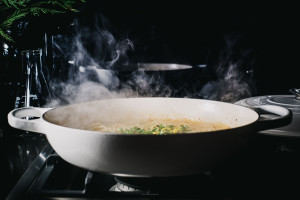 One-Pot Lemon Scallop Pea Spaghetti
  Beer Battered Onion Rings, Jalapeno Aioli
  2014 Holiday Gift Guide and a Giveaway
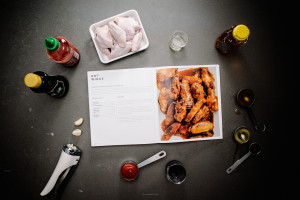 Easy Gourmet Hot Wings and a Giveaway!
 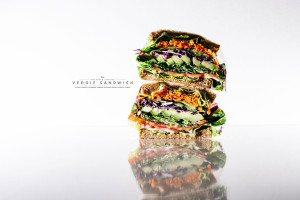 The Ultimate Veggie Sandwich
  Vegan(!) Creamy Corn Soup Recipe
  Sunday Brunch: Grilled Cheese Eggs Benny
