
I Am... Viral Crispy Shanghai Butter Mochi
Shanghai butter mochi, butter mochi, butter tteok, crispy butter mochi, Korean crispy butter mochi — call it whatever you want — but definitely make some and enjoy the bestest, easiest, crispy, chewy treat. If you like squishy, chewy deserts, you'll love these lil butter rice cakes. They’re mochi-full and delightfully soft and chewy on the inside and addictively crisp and crunchy on the edges. They’re not-too-sweet, as most Asian desserts are, and are the perfect treat to bake even if you have no baking skills. Plus, they’re naturally gluten-free. I’m back again with another viral trending recipe from Korea. Move over Dubai chewy cookies, there’s another, newer, shinier, younger dessert in town. Unfortunately, that’s the way the world works. Or dare I say, the way the cookie crumbles? Anyway, the world, especially the internet loves viral content and what’s going viral right now is crispy Shanghai butter mochi.
What is Shanghai butter mochi / butter tteok
Butter tteok is a viral baked treat that comes to us via Korea. Golden-brown, crispy on the outside and chewy on the inside, it is epically viral on Korean socials in early 2026. (Side note, sometimes I feel like a food anthropologist who writes about food trends and it both delights and disturbs me LOL). Shanghai butter mochi has glutinous rice flour, butter, milk, and eggs. Everything is mixed together and poured into individual cake pans and baked. If you’ve ever had Hawaiian butter mochi, it’s essentially the same, but with a bit more crisp. It’s also kind of similar to French canele, with its crisp outside and tender insides.How to make Shanghai butter mochi
- Butter - Grab a muffin pan or any other pan that has small wells. I used a super cute taiyaki pan that makes the tiniest lil butter mochis. In Korea, they seem to favor pans that are shaped like chestnuts or shells, but really, any baking vessel with individual wells will do. Butter the pan generously with butter. If desired, sprinkle in a bit of sugar, it will caramelize while the mochi bakes, making a crunchy crust.
- Melt - Heat the milk and butter in a small pot over low heat, stirring, until the butter melts. Don’t let it come to a boil.
- Mix - Mix together the egg, sugar, and vanilla until light and fluffy.
- Whisk - Whisk in the milk and butter mix.
- Stir - Stir in the glutinous rice and tapioca flour, being sure to stir out any lumps.
- Strain - Optional, but highly recommended, strain the batter through a fine mesh seive.
- Pour - Pour the batter evenly into the prepared molds.
- Bake - Bake until golden brown and crispy.
- Cool - Remove from the oven and tip the mochi out of the tins and cool on a wire rack. The mochi will get crispy as it cools.
Crispy butter mochi ingredients
- butter - it wouldn’t be butter mochi without butter. Butter is what makes these guys crispy and golden brown.
- sugar - regular granulated sugar is what makes this not-too-sweet and helps with the deep-golden crust’s caramelization.
- egg - an egg adds richness and a bit of rising powder.
- vanilla - a touch of vanilla adds a nice, deep, round note to these cakes.
- milk - I like using whole milk because it has a higher fat content, but you can use any kind of milk or even milk substitue.
- glutinous rice flour/mochiko flour - this is the key to these cakes. If you can find mochiko flour (usually produced in North America by Koda Farms), it’s you’re best bet. If not, the very commonly found Erawan/Elephant brand of glutinous rice flour will work too. Glutinous rice flour is the key to mochi. It’s what gives it that chewy texture. It also happens to be naturally gluten-free, since all it is finely milled glutinous rice.
How to store butter mochi
I love this recipe because it makes just the right amount, 6 lil cakes to snack on. That being said, if you have any leftovers, be sure to let the mochi cool completely before popping into an air tight container. They’ll keep for a couple of days but won’t be crispy after storage.How to crisp up butter mochi
To make the butter mochi again, you can lightly toast them in a toaster oven for 4-5 minutes at 350°F. You can also air-fry them for 1-3 minutes. Just keep an eye on them to make sure they don’t get too brown. Alright, hopefully you guys try this recipe! I’m a sucker for viral recipes and this is no exception. I am already a mochi lover so crispy-edged Shanghai butter mochi is a dream come true. Mike and I ate the whole batch, not a single one was left. Happy mochi—ing! xoxo steph PS: If you're as cuted out as I am over this pan, it's from here.Crispy Shanghai Butter Mochi
If you like squishy, chewy deserts, you'll love these lil butter rice cakes.
- 1 cup milk (200g)
- 2 tbsp butter (25g, plus extra to butter the baking sheet)
- 1 large egg
- 1/4 cup sugar (50g)
- 1 tsp vanilla
- 3/4 cup glutinous rice flour (130g)
- 2 tbsp tapioca flour (15g)
Preheat the oven to 350°F. Generously butter 6 muffin tin wells or a baking tin of your choice.
Add the milk and butter to a small pot and heat over low, stirring, just until the butter is melted. Remove from the heat and set aside.
In a bowl, whisk together the egg, sugar and vanilla. Pour in the butter-milk mixture and stir. Add the glutinous rice flour and tapioca flour. Strain the batter through a fine mesh sieve.
Evenly divide the batter amongst the muffin tins and bake for 30-40 minutes, or until the edges turn a toasty golden brown.
Remove from the oven and let cool slightly before removing from the tin and letting cool on a wire rack. Enjoy!

I Am... Viral Creamy Lays Chips aka Peri Peri Chips
I love chips. To me, they are the perfect snack. I never thought the perfect snack could be improved, but I stand corrected because viral creamy chips now exist. Yes, creamy chips, viral creamy peri peri Lays chips. I didn’t foresee those words going together, but they do. Looking at photos and watching videos do not do these chips justice. I went in thinking that they would end up being a soggy mess, but instead, they turned out to be a delightful mix of contrasting textures and flavors. You’ll start off by make one batch, but trust me, it won’t be your last.
Chips and dip
Remember when chips and dip were a thing? For some reason, chips and dip seem so much more special than just opening up a regular bag of chips. I remember being so excited when I was a little kid when there were chips and dip as a special snack. I think maybe it’s the act of dipping because grabbing a chip and dipping it makes it feel more like a mini experience rather than just a snack. If you want to create that feeling, of a snack that isn’t just a snack, these chips are for you.Viral creamy peri peri Lays chips
Viral creamy peri peri Lays chips are ripple chips (supposedly Lays) tossed in a creamy sour cream-based sauce seasoned with butter, garlic, chili flakes, oregano, chili powder, and freshly chopped cilantro. If you’re on the socials, you’ve probably seen bowls of chips tossed in what looks to be a creamy pink sauce. These are those chips. They absolutely remind me of chips and dip but extra. We’re living in 2026 and this is the future where there's AI chatbots, meme wars, and creamy chips.How to make creamy peri peri lays chips
- Make the spiced butter. To start, melt some butter over medium heat and add garlic. Cook, stirring, until the garlic is just golden and smells amazing. Add in red pepper flakes, oregano, chili and powder. The heat of the butter will activate the spices and make everything smell amazing. Remove the pan from the heat and set aside to cool.
- Make the creamy sauce. In a large bowl, whisk together the sour cream and milk. Stir in freshly chopped cilantro and the cooled spiced butter.
- Toss. Add the Wavy Lays to the bowl with the sauce and very gently toss.
- Enjoy immediately. Enjoy the sauced chips immediately while they’re still crunchy.
Creamy peri peri chips ingredients
The tangy, savory, sweet, and spicy flavor of these chips can be made with simple, easy, every day ingredients.- butter - a bit of butter helps the garlic, spices, and herbs meld together into a fragrant blend.
- garlic - fresh garlic fried in butter makes everything better.
- chili flakes - chili flakes add the up front heat while also giving the sauce tiny bits of crunch.
- oregano - oregano adds an earthy balance.
- chili powder - this is where the spice comes in. Depending on how spicy your chili powder is, these chips can pack a punch or be on the milder side. The chili powder is completely optional.
- yogurt or sour cream - yogurt or sour cream, it’s your choice, but I like using sour cream because it adds just the right amount of tang.
- milk - a little bit of milk loosens up the yogurt and makes the sauce coat each and every ridge of the chips.
- cilantro - freshly chopped cilantro adds a bright freshness to these chips making them even more irresistible.
- ripple chips - more on this below.
Do I really need to use Lays?
The internet says you need to use Wavy Lays, but any ripple chip will do. The ripples hold on to the sauce and the natural thickness of ripple chips holds up better than just regular. I started this post off with Wavy Lays but ended up using just a regular ripple and honestly, they look and taste better. Go for your favorite brand of ripple chips, in whatever flavor you love best. On Instagram and Tiktok, BBQ is used most of the time. I tried this recipe with both original and ketchup chips. The original chips let the sauce shine, but the ketchup were more addictive. If you can get ketchup chips where you live, I highly recommend those.What are creamy chips?
Creamy chips are chips, the kind that come in bags, tossed in a creamy spiced sauce. Think of them like wings but the wings are chips and the wing sauce is a homemade spiced butter and yogurt sauce. I’m not sure who came up with them, but from googling, they started trending in Dubai and India. Who came up with the idea first is a mystery to me.What do the viral creamy chips taste like?
If you’re a fan of peri peri sauce and Nando’s, you can probably imagine what these chips taste like. They’re garlicky, tangy, and savory with a hint of spice and herbs. The sauce coats each and every ridge of chip, making the chips simultaneously crunchy with slightly softened edges. The contrasting textures and flavors are what make these chips so addictive.Are the chips soggy?
Yes and no. The heartiness of wavy Lays holds up well to the creamy sauce but it’s a race against time because if you let them sit for too long, yes, they will get soggy. This is a snack that’s best eaten right away when the chips are still crunchy and just starting to soften at the edges. Think of it like tempura, where fresh out of the fryer, the tempura is super crispy, but then it’s dunked in tentsuyu/tempura sauce and then the result is a delightful mix of crispy, crunchy, and soggy all at the same time.Tips and tricks for the best creamy chips
- Use ripple chips. Ripple chips, aka the chips that have ridges, are sturdy and hold up well to the creamy sauce. Regular chips will fall apart, so this is a case in which you definitely need a specific kind of chip.
- Eat right away. This is the kind of snack that is meant to be made and eaten right away. Once you toss the chips in the sauce, it’s a race to the finish. Although, I have to admit, I don’t mind a saucy soggy chip at the end after I’ve crunched to my heart’s content.
- Sauce with your heart. Speaking of saucy and soggy, you don’t need to use ALL of the sauce. Use your judgement. If you want a lighter coating, simply add the chips to another bowl and drizzle the sauce on top until it looks about right, then toss.
- Make ahead. You can make the creamy peri peri inspired sauce ahead of snack time and put in an air tight container in the fridge if you want instant creamy chips.
How to keep creamy chips crunchy?
The key to creamy crunchy chips is to enjoy immediately. The thickness of ripple chips means that they don’t instantly turn to mush when the sauce coats them, but for maximum enjoyment and crunch, toss, then eat right away. These were a hit for me and surprisingly Mike liked them too. I say surprising because he only likes one flavor of one brand of chips that comes in a very specific package. If these passed Mike’s chip bar, I feel like it’s an extremely solid recommendation.If you loved these, you'll love these chip adjacent recipes
i am creamy, i am crunchy, i am viral creamy chips! happy chipping! xoxo stephViral Creamy Chips
Looking at photos and watching videos do not do these chips justice.
- 1 tbsp butter
- 2 cloves garlic (minced)
- 1 tsp red pepper flakes
- 1 tsp dried oregano
- 1 tsp chili powder (or to taste)
- 1/4 cup sour cream
- 2 tbsp milk
- 1 tbsp fresh cilantro (chopped)
- 2.5 oz Wavy Lays
- Melt the butter in a small pan over medium heat. When melted, add the garlic and stir, until fragrant and golden, about 1-2 minutes.
- Reduce the heat to low and stir in the red chili flakes, oregano, and chili powder. The butter should be a bright vibrant red. Remove the pan from the heat and let cool.
- In a large bowl, whisk together the sour cream, milk, and cilantro.
- By now the butter should be cool, stir it into the cream mix. Taste, add salt and freshly ground black pepper, and adjust the seasoning if needed. If the sauce looks too thick, loosen it with milk, teaspoon by teaspoon. You want something that is pourable and not thick like a regular dip.
- Add the chips to the bowl and gently toss until all the chips are evenly coated. Enjoy immediately!

I Am... Tiktok One Pan Dumpling Bake
The coziest one pan dinner is this viral one pan dumpling bake from Tiktok: juicy dumplings nested in a creamy, sweet-n-spicy sauce, perfect for scooping onto rice. I’m a sucker for viral recipes. I don’t know, there’s just something about my personality that is easily influenced by hype. It’s a curse because I’ve been burned more times than I want to recall. But, I can’t help it, in the words of Ariana Grande, “I see it, I want it, I like it, I got it.” In this case, it’s the TikTok viral dumpling bake. I resisted for so long — the dumpling bake went viral several months ago near the beginning of the year. I saw it and immediately thought that I would never make it. Ever. I love love love dumplings and they’re already super easy to cook in a multitude of classic ways so my brain thought, why would I do a silly baked dumpling trend? Then, I kept seeing it and seeing it and we had a can of coconut milk in the pantry and a tub of red curry paste in the fridge and it was inevitable.
How to make the viral one pan dumpling bake
- Prep - preheat the oven to 375°F. While the oven is warming up, mince up some garlic (or use a garlic press) and grate some fresh ginger.
- Assemble - In a baking dish, whisk together the coconut milk, red curry paste, garlic, and ginger. Scatter in the leafy greens and stir to coat. Add the dumplings, straight from the freezer, nestling them in, then spooning some sauce on the tops.
- Bake - cover the dish and bake until the dumplings cook through and the sauce thickens slightly, about 20 minutes, depending on the dumplings. If you like you can take the foil off for the last 5 minutes to get some extra browning on the tops of the dumplings.
- Top - finish with freshly chopped cilantro, thinly sliced green onions, toasted sesame oil, and a bit of extra chili crisp.
- Enjoy - enjoy hot either on its own or spooned over rice or noodles.
What is the viral one pan dumpling bake?
A one pan dumpling bake, as the name implies, is a dish of baked dumplings, specifically gyoza or potstickers. Aromatics, coconut milk, curry paste, and dumplings all get put in an oven safe dish and bake. The flavorful curry paste mixes with the coconut milk into a creamy, spicy sauce that thickens slightly in the oven while the dumpings become plump and juicy on the bottom and slightly crispy on top.Where did the viral dumpling bake trend come from?
As with most trending recipes, it’s a little hard to trace the original source, but from what I can tell, Danielle Brown, from Heathy Girl Kitchen came up with the idea on TikTok.Ingredients for viral dumpling bake
- Dumplings - frozen dumplings are the best for this dish because, really, it’s all about getting dinner on the table quick. Save those homemade dumplings for another day. Bags of frozen dumplings, specifically potstickers or gyoza, can be found at most grocery stores, so buy a bag of your favorites. More on dumplings below.
- Red curry paste - red curry is the backbone of all the flavor in this dish. Red curry paste combined with coconut milk is a weeknight superstar. A little bit spicy, super aromatic, and delicious. You can get this is at all Asian grocery stores and in most major grocery stores in the Asian foods aisle. It’s also on amazon! It comes shelf-stable in a little tub or a can and keeps in the fridge once opened for future use.
- Coconut milk - a can of coconut milk is going to bring so much richness and creaminess to this dumpling bake. Coconut milk can sometimes be confusing. What you want is the one that comes in a can in the aisles, not the tetra packs you find in the fridges.
- Aromatics - grated ginger and minced garlic are going to add a layer of freshness, but let’s be real, if you don’t want to break out the cutting board, you don’t have to because the red curry paste is going to be plenty flavorful. That being said, I’m always going to champion grating fresh ginger and mincing garlic because fresh is best.
- Toppings - finish off the dumpling bake with a generous sprinkle of freshly chopped cilantro, thinly sliced green onions, toasted sesame seeds, and a drizzle of chili crisp. To be honest, these toppings are completely optional, but they add a bit of pizzaz and make your dumpling bake super pretty, so I think they’re well worth it!
What size pan for viral one pan dumpling bake?
You want a pan or dish that’s not too big and not too small — the dumplings need to be half submerged in the sauce. A square 9x9 casserole dish works perfectly as does an 11x7 rectangle or a 12 inch oval or circular pan. You can play around here, what you’re looking for is a big enough dish to accommodate all of your dumplings in a single layer.Which frozen dumplings are the best?
There are SO many frozen dumplings out there, so the best is definitely a personal preference sort of thing. But, that being said, I do have some favorites and some tips on how to find good frozen dumplings. First off, go to your local Asian grocery store. There, in the frozen section, they’ll have an entire aisle of frozen dumplings. In the case of the viral dumpling bake, I think the best dumplings are gyoza or potstickers. They come in that classic curved moon dumpling shape and bake up nicely because they typically have thinner dumpling skins. The fillings are endless, so just go with what sounds good to you. Classic is pork and cabbage/vegetable and chicken with cabbage is just as tasty. If you dont want to go to the Asian grocery store, you’re in luck because you can pretty much find frozen dumplings everywhere these days. Two of our favorites are new-ish dumpling brands: MìLà and Lao Ban. You can find both brands at major grocery stores, Whole Foods, and Costco (depending on location). They both make a variety of dumplings, so be sure to pick up the potstickers for this particular recipe. Also, shout out to Trader Joe’s frozen gyoza potstickers which always hit in a pinch. You can even make your own, it's easier than you think!What to serve with the viral dumpling bake
Any sort of saucy dumpling goes great with simple steamed rice https://weightloss-update.fit/how-to-make-fluffy-white-rice-perfectly-every-single-time/If you want to go all out and make a feast
That’s it! Are you going to succumb to the siren song of viral dumplings? Or do you have more self-control? I was on the fence but I have given in to the dark side of baked dumplings and I’m not coming back :) xoxo stephViral Dumpling Bake Recipe
The coziest one pan dinner
- 1 bag frozen gyoza (/ dumplings of choice~ 1lb)
- 1 can coconut milk (~ 14oz)
- 2 tbsp Thai red curry paste
- 3 cloves garlic (minced)
- 2 tsp ginger (grated)
- 3 cups spinach (or leafy greens of choice)
- green onions (sliced, to finish)
Preheat the oven to 375°F.
While the oven is heating, in a baking dish, add the coconut milk, curry paste, minced garlic, and ginger. Whisk the ingredients until combined.
Add the vegetables to the dish and toss to coat.
Nestle in the frozen dumplings (no need to defrost), spooning some of the liquid on top of the dumplings.
Cover the dish with an oven safe lid (or foil) and bake for 20-25 minutes, or until the dumplings cook through.
When the dumplings are ready (cut one open to check), finish with green onions and chili crisp. Enjoy!
Estimated nutrition is a guideline only and will vary considerably based on the dumplings you use. The numbers below are based on Trader Joes frozen dumplings and reduced fat coconut milk.

I Am... How to Cook a Tomahawk Steak
Sometimes I dream of having a tomahawk steak all to myself. Of course, I think better of it for health reasons. For special occasions though, it's a great choice: cheaper than a prime rib, more impressive than a roast. And the best part, you can make a perfect tomahawk at home better than most restaurants you're likely to find it at only half the cost. Home-cooked steaks are always the best steaks. Here is everything you need to know to buy, cook, or serve a perfect tomahawk steak.
What is a tomahawk steak?
Tomahawk steaks are bone-in ribeyes, cut from ribs 6-12, with a huge length of bone left intact and the meat frenched up to get everything clean looking. Is it the same as a regular bone-in ribeye? Yes, but you eat with your eyes, and what can beat the sight of a 24" centerpiece steak?How to cook tomahawk steak
You cook a tomahawk steak just like a normal one, the most important factor is to make sure it’s well tempered (rested to room temperature) so you’re getting the inside up to temp fast enough before the outside burns. It’s much better to get the inside right up to medium rare so you can sear without worrying. There are a bunch of ways of doing that, here are my favorites. One thing to remember is that a tomahawk is actually a 2" thick (or even more) ribeye. Ribeyes tend to have a large vein of fat right in the middle, so if you cook it too rare, you could end up with a more or less solid and chewy chunk of fat in the middle of your perfect steak. Because of this, I usually cook a tomahawk to medium rare (135ºF). At this temp, the fat tends to render into a translucent, delicious pop of flavor.In the oven
Set your oven as low as it can go, about 250ºF for most people, and leave your steak in there for about 45 to 90 mins. In my oven from the fridge (48ºF) to medium rare takes almost exactly 80 mins. If you have a meat thermometer or oven probe (more on that below) leave it in until it is 10 degrees lower than your desired final temperature. A chart is below as well for easy reference.Sous vide
This one is easy: add your steak and any rubs, marinades you would like to a water bath and set it for 10 degrees lower than you want to end up at (see the doneness table below).The steak can stay in the bath for up to 8 hours, although 1-2 is usually more than enough, depending on how cold your steak was when it entered the bath.On the grill
This one definitely needs a meat thermometer but also produces the best flavor in my opinion, espcially if doing charcoal. Move your coals to one side, or if using gas, only light up one side of the grill. Leave your steak as far away as possible from the coals or the burner on the other side of the grill and close it. Flip once in awhile to make sure you’re getting even heat.Searing your tomahawk steak
Once you have your internal temperature up to where you want it, you’ll need to sear it. I like to always rest a steak before searing (more on that later). When searing, use as high of a heat as you can produce. If you’re already grilling it, all you need to do is warm up the grill to max while you’re resting it, then move it over to the direct heat zone and grill it to the right color (for me, that’s 30 seconds on a side). If your steak was done sous vide or in oven, you’ll need to sear it on a stove (more on that below) or some other way - I use our 800 degree pizza oven.How to sear a tomahawk steak on a stove
Cooking a tomahawk on the stove is difficult because of the bone. Even if your cast iron pan is huge, aka 14”+ wide, you’ll probably find it hard to contact the entire steak to the pan. You can buy a low side pan such as a plancha or this cast iron crepe pan. You can also try to squeeze it down as best you can, then baste whatever can’t touch with some butter. Recently, I realized that the sides of a wok are both large enough and hot enough to sear a tomahawk without the fire and flames that you might get if you use a crepe pan. I've used the wok several times now with pretty good results.Fire
Because a tomahawk is so large and requires a low sided pan, there is a very real possibility of 3 foot high flames. Ask me how I know. Unfortunately, I was too busy putting out the flames to snap a photo. To avoid such a fire, don't get the oil smoking hot and turn the gas off before adding the steak, or use a wok, BBQ, or pizza oven as shown above. If a fire starts, don't panic, just cover the steak with something ideally non-flammable. In my case, I just dropped the same baking sheet that the steak was resting in. It went out instantly, no sweat.The importance of a meat thermometer
When cooking steak, especially one that costs north of $100, a meat thermometer is essential. A buddy of mine overcooked his tomahawk while reverse-searing it, which for most people just means guess and pray. With a meat thermometer, you can just forget about it until the alarm goes off. Plus, if your oven is not perfectly precise or runs hot, a meat thermometer can save your steak from unknowingly becoming chewy leather. I recommend an oven probe that beeps when the target temp is hit. They can be really cheap, wireless app driven, or something in between. Personally I always go with the cheap option. If all you have is an instant read, be sure to check often to make sure the steak doesn't get overcooked.Steak cooking temps
For a quick and easy reference, when we have dinner parties in our house our steaks are roughly done at:- Rare: 125ºF
- Medium-rare: 135ºF
- Medium: 145ºF
- Medium-well: 155ºF
- Well done: Don't do this
How long to let tomahawk steak rest for
When you apply heat to muscle fibers they contract and squeeze out moisture. Resting time allows the fibers to relax again, reabsorb some of the moisture, and generally produces a more tender and much juicier steak. You don’t necessarily need to wrap the steak in foil but allowing it to rest for 5-15 minutes after the main cooking process is absolutely vital. Longer is better. I prefer to rest my steak, then sear so it's as hot as possible when serving.Where do you buy a tomahawk steak?
Costco is often your best bet to get a tomahawk if you want one right away. Our local Albertsons even has them. Lately our local Costco has been carrying "tomahawk style" cuts which look like they've cut away half the bone for easier packaging and, more importantly, to save you money. These mini-tomahawks range between 2-4lbs and I think they're great. That said, the best place to buy any meat is your local butcher. All of the best steaks I’ve ever had came from local shops no matter where in the world I was. They may need a few days to get it ready or order it in, but it’s the best option. You can also try one of the many premium online butcher shops they have days days, we've tried a bunch and they're always pretty good, you can even get wagyu steaks this way.Best sauces for steak
Some people believe in nothing but good ol’ salt and pepper. I prefer to change the taste of the meal as it goes on, so I start with a pure bite of salt and pepper, then move onto a nice steak sauce or other preparation. When we had our expensive steak dinner in Kobe, they served it 16 different ways. You can just make your steak with salt and pepper and serve it alongside a nice selection of steak sauces. Check here for our guide to all the best steak sauces.Are thick-cut bone-in steaks better?
Without a doubt, thick bone in steaks are better. Often the meatiest, beefiest, most flavorful parts of the meat are right next to the bone. The thickness of the steak allows you to get a good medium rare/whatever finish you want on the inside while still getting the deeply browned thick crust of your dreams on the outside. The thickness of the steak makes it more forgiving: it's basically impossible to overcook a 2" steak without great effort and forgetfulness.How big are tomahawk steaks?
Depending on which bone you get, tomahawks can range in size between 30 oz to 60 oz. In my experience, every tomahawk I’ve ever bought has been between 48 oz and 60 oz, except the Costco mini ones which are way closer to 30oz.What is American Wagyu?
American wagyu are Japanese cows, hopefully Japanese black cows (called Kuroge Wagyu in Japan) that are raised and pastured in America. They can be full-blooded or cross bred with other breeds. It can range in quality from ordinary to amazing. USDA Prime and Certified Angus are both easily as good, if not better, so there's no need to hunt any specific cow down. With any steak, even and consistent (and copious) marbling is often a great sign of how good that steak will be. Grass fed is better than Grain or Corn fed/finished, as well, in my opinion. It makes for a more complex, satisfying taste.Are they a scam?
Someday, someone will inevitably tell you that tomahawk steaks are a scam, overpriced, and that you’re just paying for a bone. And, they wouldn't be totally wrong: a tomahawk steak absolutely goes for a premium over a regular bone-in ribeye steak at a restaurant. And, yes, it does taste more or less the same as a bone in ribeye. But any large cut of steak also goes for a premium over a smaller steak of the exact same kind. Fewer people buy them, and that raises the price. I love tomahawk steaks because their popularity means they're so much easier to come by than a good 2.5” thick cut bone-in ribeye. If you’re making them at home, the price premium is much smaller and makes sense for a special home celebration or weekend meal. The moment you pull out out that giant tomahawk steak for the grill, everyone instantly smiles.How to reheat steak
To reheat a steak, just let it come to room temp on the countertop for about an hour, then sear and serve. If you cut it into slices, a 10-15 sec burst in the microwave will warm up the steak nicely without overcooking it.Side dishes
Is it even steak without sides??- frites
- mashed potatoes
- steak and salad
- steak with rice like they do in Japan
- cacio e pepe
- asparagus
- mushrooms
- brussels sprouts
- onion rings
- surf and turf, aka steak and shrimp
Steak sauces and rubs
- Lori Jayne Peppercorn Steak Sauce
- 8 Super Easy Classic Steak Sauces
- Steak Diane
- Cajun Butter Steak
- Dashi Butter Steak Sauce
How to cook Tomahawk Steak
How to cook tomahawk steak perfectly every time
- Meat thermometer with probe
- 1 tomahawk steak (48-60oz)
- salt and freshly ground pepper
- 1 tbsp butter (if desired)
Let your steak come to room temp on the countertop. Preheat your oven to 250ºF or one side of your gas/charcoal grill on low. Season your steak with salt and pepper.
Put the temperature probe into the thickest part of the steak (see notes if you don’t have a probe-type thermometer) then put the steak in the center of the oven or farthest away from the heat on the grill until it hits 10ºF below your desired temperature, flipping every 5 minutes or so. See notes for steak cooking temps.
Rest your steak for 5-15 minutes (longer is better) while you heat up your grill, pizza oven, or cast iron pan.
Sear your steak until your desired color is achieved (about 30 seconds per side for me on a BBQ or 2-3 minutes per side on a wok).
Serve immediately with fixins and sauces, if desired.
If you don't have a probe type thermometer, check with an instant read as you flip every 5 minutes.
Steak cooking temp
Rare: 125ºF | Medium rare: 135ºF | Medium: 145ºF | Medium well: 155ºF | Well done: 🙅♂️

I Am... Cottage Cheese Ice Cream
If you love cottage cheese and ice cream, this TikTok cottage cheese ice cream will be right up your alley. Who doesn’t love ice cream, especially now that the weather is heating up? Something about a scoop of smooth, creamy, cold ice cream hits the spot every time. But if you don’t want to indulge every day, and maybe want to get more protein into your life, this easy homemade ice cream is here to save the day.
What is cottage cheese ice cream?
Essentially, it’s exactly what it sounds like: ice cream made with cottage cheese. Traditional ice cream uses heavy cream, sugar, and flavoring. Cottage cheese ice cream replaces the cream with cottage cheese. It has a super close consistency to real ice cream and the flavors are spot on. It’s creamy, cold, delicious, and satisfying.Cottage cheese ice cream ingredients
cottage cheese - you’ll want to use whole fat cottage cheese and it’s best if you use a cottage cheese that you like. sweetener - honey is the classic sweetener used in cottage cheese ice cream, but you can use your favorite. Some other sweetener ideas: maple syrup, agave syrup, sugar, brown sugar, dates, or if you want to be really really exceptional, sweetened condensed milk. banana - this is optional, but if you’ve ever had banana “nice cream” you’ll know that a frozen banana adds a lovely texture and makes homemade ice cream easier to scoop. add ins/flavors - go wild! Extracts can add a huge amount of flavor for almost no calories or you can use in season fruit. Nuts add crunch andHow to make cottage cheese ice cream
- Place the cottage cheese and sweetener in a blender (or food processor).
- Blend the mixture until smooth.
- Transfer the mixture to a bowl and stir in mix ins. (You can skip this step if you’re not going to stir in anything extra).
- Move the ice cream to a freezer safe container and freeze until firm, up to 4 hours.
- Enjoy!
Tips and tricks
Use the best cottage cheese you can find
My favorite brand of cottage cheese (not sponsored, I genuinely love them) is Good Culture. For this particular post I tried the double cream classic cottage cheese and it was incredibly creamy and delicious.Stir occasionally while freezing
If you stir your cottage cheese ice cream every so often while it’s freezing, it will give the ice cream a smoother, less crystallized texture because you’ll be breaking up the mixture and mixing around the frozen and unfrozen parts. It’s a simple way of churning the ice cream without using an ice cream maker.Stir in the mix ins while partially frozen
If you don’t want all your mix ins to sink or float to the top, the key is to let the cottage cheese ice cream freeze in increments of 30 minutes. Let it freeze, stir in some mix ins, let it freeze, stir it again with more mix ins, then let it freeze for 30 minutes, give it a stir if you can, then let it freeze completely.Let temper before scooping
Straight from the freezer, cottage cheese ice cream is a little difficult to scoop. Most commercial ice creams have chemical stabilizers that make them easy to scoop straight from the freezer. Since we’re going homemade, we have to let our cottage cheese ice cream temper on the counter for a bit before it reaches a scoop-able texture. Leave your ice cream out on the counter for a couple of minutes before scooping. Or, if you’re a sucker for frustration and pain, use a spoon to dig it straight out of the container from the freezer.Tools
blender/food processor/immersion blender - Any of these will do, the goal is to get the cottage cheese as smooth, creamy, airy, and light as possible. Make sure you use a silicone spatula to scrape down the sides and stir everything together so you blend up all the curds of cottage cheese. container - any container with a lid will do. Most people use a loaf pan (because homemade ice cream always seems to be in a loaf pan, but you can use anything, even the container your cottage cheese came in.Flavors
Go wild! The base of your ice cream isn’t as calorific as regular ice cream so why not heap on a ton of flavor via mix ins!?Extracts and spices
Liquid extracts add so much flavor. You only need 1/2 a teaspoon to a teaspoon. Try: vanilla, lemon, almond, peppermint, or coconut. You can also use spices a bit of cinnamon, nutmeg, cardamom, or ginger will add warm spicy notes.Chocolate and nuts
Chopped chocolate (or chocolate chips) and nuts add textural contrast and deliciousness.Fruit
Fruit is probably the best pairing for cottage cheese ice cream. You can blend it right into the base with the cottage cheese as well as add chunks of fruit in.Swirls
You can swirl in anything jammy or liquid-y to add a pretty and flavorful element. Think: jam, nutella, caramel, melted marshmallows, lemon curd, maple syrup, or honey.Cake, cookies, pie
Chopped up baked goods in ice cream is my absolute favorite. The chunks are the best part, right? Some of my favorites: birthday cake, chocolate cake, brownies, oreos, chocolate chip cookies, pretzels, peach pie, apple pie, gosh I could go on and on but you get the idea.Chocolate
Blend in 2 tbsp cocoa powder. Stir in 1/2 cup chopped chocolate or chocolate chips. Or, chop up some of your favorite candy bars and stir them in.Strawberry
Blend in 1/4 cup roughly chopped strawberries with the cottage cheese, then stir in an additional 1/2 cup of sliced or chopped strawberries. For an extra bit of decadence, stir in 2 tbsp strawberry jam at the end.Banana
Blend in 1 banana and 1/2 tsp vanilla with the cottage cheese. Stir in an additional banana, either sliced or chopped. Optional: stir in 1/4 cup chopped chocolate and 1/4 cup chopped nuts for a take on chunky monkey ice cream.Who invented cottage cheese ice cream?
TikTok cottage cheese ice cream is viral and like most viral recipes it’s a little difficult to discern who made it first. Sometimes, the person who invented the recipe doesn’t go viral – in this case, from what I can tell, Paige Lingren made cottage cheese ice cream go viral.But why?!
Because cottage cheese is delicious and so is ice cream! Cottage cheese is low in calories and high in protein. Why not eat it in a new and fun way? It’s super easy to make, very customizable, fun to make, and delicious. It’s wins all the way down.Why does this work?
The fat content of cottage cheese is lower than that of heavy cream but because they are both dairy products, they mimic each other quite well. Whipping/blending the cottage cheese gives it a creamy, smooth texture that freezes well. Because cottage cheese is mild, it takes on sweetness and other flavors well.What does cottage cheese ice cream taste like?
It’s a creamy, sweet (this is easily customizable to make it sweeter or less sweet), frozen treat. Does it taste like cottage cheese? If you’re a super taster, sure, you’ll be able to tell it’s cottage cheese. If you add a lot of add ins and sweetener, it’s less noticeable that it’s cottage cheese. Really, it depends on what kind of ice cream connoisseur you are. If you think of it as a high protein, creamy and sweet frozen treat, you’ll love it! It reminds me more if frozen yogurt than traditional ice cream, but I’m not mad about it. For my version, I used straight up regular sugar, Lucky Charms marshmallows, and sprinkles. They’re not the healthiest, but it’s colorful and fun and it ended up tasting SO GOOD. Dream combination, for sure. I made a mistake by stirring in the marshmallows and sprinkles right away so the sprinkles fell to the bottom and the marshmallows rose to the top, so if you’re doing mix ins, make sure to check out the tips and tricks for how to stop that from happening. It might look like a slight disaster, but she cute and tasty, so it’s all good. Happy cottage cheese ice cream making! What flavors are you going to be enjoying this summer? xoxo stephCottage Cheese Ice Cream
- 16 oz cottage cheese (whole milk preferred)
- 1/4 cup honey (or sweetener of choice)
- add ins (to taste)
Add the cottage cheese (undrained), preferred sweetener, and any other flavors in a high speed blender or food processor.
Blend until everything is extra smooth and creamy, making sure to scrape down the sides and stir everything together with a silicone spatula. If you want to add any liquid flavor like extracts, now is the time to do it.
After everything is creamy, you can stir in mix ins. I would say you need about 1/2 cup of mix-ins for this amount of ice cream. They can be anything from fruit or nuts to chunks of brownies or cake, really, it’s up to you! Stir the mix ins evenly.
Transfer the ice cream to a freezer safe container, smooth everything down, cover and freeze for 3-4 hours, or until frozen to the consistency of ice cream. Scoop and enjoy!

I Am... Sunshine Mountain Lodge at Banff Sunshine
Next year might be a terrible ski year, so we decided to ski right now and stayed at Sunshine Mountain Lodge for a once in a lifetime summer skiing experience. Sunshine Village in Banff is open for summer skiing until July 5th. Note: this post isn't sponsored. We paid for our stays and had no contact with the hotel at all. This post exists because I searched the entire internet to see if there were fridges in the room and everyone said there wasn't, but there was.
My first visit to Banff Sunshine
I remember the very first time Mike and I ever drove up to Banff Sunshine. It was early summer and I was so excited to see the alpine meadows that promised vast swaths of flowers swaying in the breeze. After being stopped by several herds of unbothered mountain goats, we made it to the parking lot with the gondola that takes you up to the alpine village. To our dismay, it was closed! Who knew mountains close? Honestly, it was my bad for not checking the hours of the gondola. That trip, there were no alpine flowers, but it cemented in my mind a strong desire to visit Sunshine again. Now, years later, Mike and I have visited Sunshine numerous times, to experience what Sunshine does best: snow. It’s one of our favorite places to ski. Sure, in the summer they have alpine meadows, but in the winter, Sunshine is home to some of the best skiing in the Rockies. They get an astounding amount of high quality, dry and fluffy snow. This year, they received so much that they’re opening for two weeks of Summer skiing from June 20th to July 5th. Summer skiing in Banff Sunshine shot right to the top of our ski bucket list. They don’t do Summer skiing too often (the last time was in 2022, for 6 days) so we made it a priority to get to the slopes.Summer Skiing in Banff Sunshine
I didn’t have super high hopes for the summer skiing because a couple of days before we arrived, there were a couple days of rain that fell on their lovely blanket of snow. But, summer skiing isn’t about snow quality, it’s about vibes and the vibes were immaculate. They have two lifts open: the Standish and Strawberry. It’s not a huge amount of terrain, but the snow is remarkably good! The days we skied, the snow was not at all slushy the way you think it would be. It was more like early end of season skiing as opposed to slush-cup last day of the season skiing. There’s nothing quite like skiing in the middle of June and we had immense fun.Why stay at Sunshine Mountain Lodge?
After deliberating between staying in Canmore, the town of Banff, or on mountain, Mike and I decided to splurge and stay at Sunshine Mountain Lodge for two reasons. Being right in the middle of the resort as ski-in, ski-out was a huge perk as staying anywhere else in the Banff vicinity would have required us to drive daily to the base and take the gondola up. Being on mountain meant we could maximize our ski time. The second reason was just as important, if not more so. Before this trip, I didn’t know, but the cost of staying at the lodge includes your lift tickets for your entire stay! That made making the decision to stay at the lodge a no brainer. We haven’t stayed during the ski season, but now, we’re kind of convinced. If you’re a fresh tracks kind of skier or even if you’re a roll into the lift line after a relaxing morning, Sunshine Mountain Lodge is for you.Where to stay in Sunshine Village
There’s only one place in Banff where you can stay on top of a mountain, and that’s the Sunshine Mountain Lodge, nestled in between three mountains: Standish, Lookout, and Goat’s Eye. The ski area straddles the continental divide, making it even more one of a kind. They’re open for two distinct seasons, winter and summer and you can stay in the lodge during both. In the winter, the ski-in, ski-out convenience is one of the best and can’t be beat. And if you’re going in the summer to explore the high alpine meadows, it’s truly special.Everything you need to know before arriving at Sunshine Mountain Lodge
If you’re going to stay onsite at Sunshine Mountain Lodge, it’s literally at the base of the Standish Express chair lift and just minutes away from Strawberry and the Super Angel Luxury Express lifts. For us, it’s a no brainer to stay at the Lodge, but there are pros and cons, which I’ll get into below.Checking in to Sunshine Mountain Lodge
Checking in is super easy: drive through the parking lot until you reach the building that houses the gondola, which will be on your left. There’s a door that leads to the lodge lobby with the check in desk. There are several parking spots right up front for checking in and loading/unloading and just past the main building, there’s a private parking lot for hotel guests. Park in one of the spots in front of the check in desk, head in and check in. When you check in, they’ll give you your parking pass, lift ticket(s) and ask for your luggage. They also have cute private change rooms right there so you can get into your ski gear right away.How to get your luggage up
When you check in, they ask for your luggage and tag everything. Then they drive it up (shown below) while you're taking the gondola and deliver it right into your room before you check in. It’s just like a regular/fancy hotel valet, but up a mountain. If you have anything fragile or precious, let them know or keep it with you to take up yourself on the gondola. We asked them to mark one bag fragile and everything in it (including a laptop) came through safe and sound. They accepted our 5 bags with zero complaints. From what I saw, people bring a huge amount of bags with them.The Gondola at Banff Sunshine
After checking in, sorting out your luggage, and parking, it’s time to get on the gondola. From the check in desk, just walk on the street/parking lot level, around the staircase towards the right to reach the gondola. Get into the line, have the lifties scan your tickets, and then hop on. It’s all very organized and they’ll tell you exactly what to do. If you have skis, they’ll even help you put them into the ski slots on the doors. The gondola at Sunshine is a multi-stage ride with three stops (the base, the mid-station at Goat’s Eye, and the final stop, the Sunshine village. It’s a gorgeous ride with all the views, even through the scratched up windows. If you’re staying at the lodge, ride the gondola all the way up to the top - it’s about a 20 minute ride. Oh, and very important if you’re staying at the Lodge. The gondola has hours so don’t go to town and miss the last gondola up, there will be no way to get to your hotel room. The hours change with the seasons and are sometimes longer on weekends and holidays, so be sure to check the schedule. They did give us a private link to request an emergency shuttle ride up if it happened that we missed the last gondola, but I'm not sure how reliable or common that is.The best rooms in Sunshine Mountain Lodge
After you make it up the gondola, if you’re anything like me and Mike, you’ll just want to ski. If you want to go to your room, however, head towards the leftmost building that is the farthest away from the gondola. That’s Sunshine Mountain Lodge. We stayed in the recently renovated West Wing and that’s where I recommend you stay too. The room we were in had a balcony that looked right out onto the Standish Express lift, a super comfy king size bed, a fireplace, and separate shower and bath. The room was bright and airy and the balcony was great for watching sunrise, sunset, and looking at the milky way.What they have in the rooms at Sunshine Mountain Lodge
Sunshine Mountain Lodge is a resort and it has resort things. Mike and I both enjoyed the slippers and robes they had at the ready. They also have bath salts for the bath tub, several kinds of bar soap, and environmentally friendly ski-themed shampoo, conditioner, and body wash. There’s a Keurig along with coffee, decaf, and hot chocolate, a kettle, a humidifier, a corkscrew, and complimentary bottles of water. The best thing though, was a little fridge! I looked all over the internet to see if the rooms at Sunshine had fridges and everywhere I looked said no. I guess they must’ve updated because there was a glorious fridge and we were able to put our drinks and some cut up veggies into it. Still no microwave so that’s a minor qualm, but having a fridge is a big plus because you can (and should) bring your own drinks to the lodge. In fact, they encourage it. You can bring up your own alcohol if you’re having it in your room and it’s nice to not having to go out and just enjoying the balcony.The hot tub at Sunshine Mountain Lodge
Apparently Sunshine Mountain Lodge has Banff’s biggest outdoor hot tub. When I read about this, I thought it was going to be massive, but I think my imagination is a little too wild. It’s basically a round hot tub, and it’s big, but not huge. Mike and I declined to visit and opted for the bath in our room instead. If you’re an extrovert, the hot tub in the snow is always a good choice. It’s open from 8am - 10pm and there are all the usual hot tub facilities: showers, sauna, washrooms. Don’t forget to pack a swimsuit!What to do at night in Banff Sunshine
The thing about staying on mountain is that you’re on mountain. You can’t really go to town unless it’s one of the special days when the gondola is running late. If you want a crazy après scene, Sunshine is not the place for you. It’s more chill vibes with the one bar and several restaurants. My favorite thing was the nightly s’mores. They have a outdoor giant fire pit on the second floor of the Lodge and they provide roasting sticks, Jet-puff marshmallows, and Celebration cookies (the iconic buttery-crisp Canadian cookies with a layer of chocolate on top). Mike doesn’t even like s’mores and he said this one was decent. I give it a 9/10. If they had the dark chocolate Celebrations, it would have been 11/10 for sure.Where to eat in Banff Sunshine Village
There are several on mountain options in the village, but if you’re staying for a while or picky about food, keep your expectations in the middle. Like all ski resorts, the food is sometimes good and sometimes just passible. It really depends on the season, the snow, and if the line cook went out the night before. Anyway, we have eaten at these places and weren’t too fussed about them:Mad Trapper’s
This is the main bar/diner type location where you’ll find typical bar food like nachos, burgers, chicken tendies, and fries. Skip the burgers, but the nachos and fries are decent.The Coco Lab
Coffee and hot chocolate with different flavors and toppings. The Coco Lab logo is the cutest and the one time I decided I wanted an $8 hot chocolate, it was really good! I don’t know how you can mess up hot chocolate so if you want a decadent drinkable treat, The Coco Lab is a good choice.Nikko Ramen
Mike got a bowl of ramen here and said it was at least as good as the ramen he had at Whistler. I kind of remember getting some edamame and gyoza that were tasty, but not spectacular.Chimney Corner
This is the casual in-lodge restaurant with a similar menu to what you’d find at most mountain lodges: large format salads, pastas, fish, steak frites, and burgers. We had dinner there one night and it wasn’t fine dining but it wasn’t Trapper’s either. It sits firmly in the middle of restaurant choices. To be honest, we wanted to go to Eagles Nest because the menu looked the most interesting, especially with the fondue experience, but it was closed for the season. If you’re looking for a great dining experience, I would suggest going into the town of Banff where there are some really good options.Tips for staying at Sunshine Mountain Lodge
Bring your own snacks
They don’t really have any grocery store/convenience stores in the village so if you’re a snacker, I’d suggest doing a shop before you arrive in Sunshine. Processed foods aren’t the healthiest, but after skiing, nothing hits quite like Hawkins Cheezies (which are Canadian, so on brand for Banff).Bring water/drinks
The tap water in banff is exceptionally clean and sourced from underground wells and natural aquifers (they even sell Banff wanter in bottles) but if you’re a bottled water drinker, you should bring up your own supply. Ditto for beer or any other drinks you want to enjoy. Mike brought up some beers and I brought up some cherry float coca cola and it was nice being able to relax on our balcony with a drink without having to stop into a restaurant or bar.Make plans for the evenings
Even if your plan is to sleep early so you get fresh powder the next day, make sure you know what the night time options are. Once you’re on the mountain, you’re on the mountain, if you know what I mean. This is both amazing and a little alarming if you have anxiety. Amazing because you can be first in line on a powder day right when the lifts open and alarming because your food choices are quite limited. That’s it! It was our first time staying in Sunshine Mountain Lodge, but I hope it’s not our last because I loved the room, the ski-in ski-out, and just being on the mountain in general. Fingers crossed we get to stay there in the middle of winter and a giant snow storm piles up the snow for a sunny bluebird powder day! summer, ski, and sunny skies, xoxo steph Read More →
I Am... Blanket Dumplings
These viral no fold blanket dumplings have arrived on the scene.
If you love siu mai or any chinese dumplings, you owe it to yourself to make these delicious and easy blanket dumplings. It’s a cute new viral way to make dumplings. It’s faster than folding regular dumplings and tastes just as good as the traditional way. Really, who ever says no to dumplings?
Just like any hot new trend, there are several variations. I love dumplings and I love trends. And most of all, I love head-to-head competitions so of course I conducted a blanket dumpling-off.What are blanket dumplings?
Simply put, blanket dumplings are deconstructed dumplings. The dumpling filling is shaped into meatballs and dumpling wrappers and gently laid on top, just like little blankets, thus the name.How to make no-fold blanket dumplings (two ways)
Blanket dumplings are super easy to make. Essentially, you’re scooping up the filling and blanketing the dumpling wrapper around it. You can either put the blanket/dumpling wrapper on top or on the bottom (more on that later).Blankets on Top
- Make the dumpling filling by mixing together ground pork, finely chopped cabbage, aromatics, and seasonings.
- Heat up a bit of oil in a pan over medium heat, and when hot, spoon the filling directly into the pan, in 1.5 tbsp mounds.
- Top the mounds with dumpling wrappers, blanketing them.
- Add a bit of water to the pan, cover and steam until the dumplings are cooked through.
- Remove the lid, let the dumpling meat get hot and crispy, then enjoy!
Blankets underneath
- Make the dumpling filling by mixing together ground pork, finely chopped cabbage, aromatics, and seasonings.
- Heat up a bit of oil in a pan over medium heat. Grab a spoon and add about 1.5 tbsp to the middle of a dumpling wrapper.
- Squish the dumpling wrapper up the sides and place in the pan. Repeat until all of the dumpling filling is finished. The dumplings are perfectly okay close and squished together.
- Add a bit of water to the pan, cover and steam until the dumplings are cooked through.
- Remove the lid, let the dumpling wrappers get hot and crispy, then enjoy!
No-fold blanket dumpling ingredients
- dumpling wrappers - they sell these at the grocery store, usually in the fridge department, near the tofu, but if they don’t have them you can make your own (recipe here). You’ll want to get dumpling/gyoza wrappers, not wonton wrappers, because they’re thicker.
- ground pork - ground pork is the gold standard when it comes to dumplings, but you can use any ground meat you like.
- cabbage - cabbage is what adds the juice. You can use any cabbage you like, just be sure to chop it finely and salt it before making the filling so it doesn’t make the filling too watery. If you’re in a hurry, you can skip out on salting and squeezing the cabbage, it’ll just mean your filling will be slightly looser.
- ginger and garlic - fresh ginger and garlic add so much flavor to dumplings.
- green onions - thinly sliced green onions add a bright freshness.
- soy sauce, oyster sauce and toasted sesame oil - these are our main flavorings, along with a bit of salt and white pepper. If you don’t have oyster sauce, you can sub in a bit more soy sauce.
- cornstarch - a little bit of cornstarch helps bind the dumpling filling and makes it silky smooth.
Blanket dumplings vs upside-down blanket dumplings
You might notice that I covered two ways to make blanket dumplings above. After blanket dumplings made their debut, some people came along to say, “what the heck, why are you making dumplings upside down?” And they weren't wrong. Ironically, the original blanket dumplings are upside down in the sense that Asians would never make a dumpling where all the fillings are spilling out, unconfined. Doing that is just asking for the dumpling meat to be overcooked and the juices to dry up. So, the upside down blanket dumpling came about: lay the blankets/dumpling wrappers out first, then put the meatballs on top, squishing the blankets around the balls. Upside-down blanket dumplings are kind of like siu mai, those delightful steamed pork and shrimp dumplings you get at dim sum.Which is better?
All of that to say, there are two ways you can make these dumplings and they produce two different results. You get either crispy browned meatballs with the original version or a crispy dumpling skin with the upside down version. Of course, I made both and Mike and I both decided that the original was actually better than the upside down version, so that's the version I've put in the recipe. The original version has a crunch both from the seared meatball and the crisped bottom parts of the dumpling wrapper, while the top stays juicy.Blanket dumpling sauce
Everyone has their own favorite kind of dumpling sauce. For me, I like a dipping sauce that is tangy, salty, sweet, and a bit spicy. This is my go to mix of ingredients. I usually eyeball it or adjust depending on mood, so feel free to play around with the proportions.- 1 tbsp soy sauce
- 2 tsp sweet soy sauce
- 2 tsp rice vinegar or Chinese black vinegar
- 1-2 tsp chili oil or chili crisp
- 1 tsp minced garlic
- thinly sliced green onions, to taste
What to serve with blanket dumplings
Blanket dumplings are a complete meal on their own, but if you’re feeling like you want a Chinese feast:- Chinese gailan https://weightloss-update.fit/chinese-broccoli/%3C/a%3E%3C/li%3E
- homemade char siu https://weightloss-update.fit/a-really-easy-chinese-bbq-pork-aka-char-siu-recipe/%3C/a%3E%3C/li%3E
- egg fried rice https://weightloss-update.fit/egg-fried-rice/%3C/a%3E.%3C/li%3E
Blanket Dumplings
It’s a cute new viral way to make dumplings.
Dumplings
- 1 1/2 cups cabbage (finely chopped)
- 1 tsp cornstarch
- 1/2 lb ground pork
- 2 cloves garlic (minced)
- 1/2 tbsp ginger (minced)
- 1 green onions (thinly sliced)
- 1 tbsp soy sauce
- 1 tsp oyster sauce
- 1 tsp toasted sesame oil
- 1/8 tsp white pepper
- dumpling wrappers
Optional crispy bottoms
- 1/4 cup water
- 1 tsp flour
- 1 tsp cornstarch
- Add the cabbage to a bowl with a pinch of salt and mix well. Let rest while you’re prepping the other ingredients, then squeeze out and drain as much of the extra water as possible.
- In a bowl, mix 1 tbsp water with 1 tsp of cornstarch then add the pork. Mix until the pork becomes pasty.
- Add the garlic, ginger, green onions, soy sauce, oyster sauce, toasted sesame oil, salt, white pepper, and squeezed and drained cabbage. Mix until well combined.
Scoop out about 1.5 tbsp of dumpling filling either directly into the pan and then cover with a dumpling wrapper.
- If desired, whisk together 1/4 cup water with 1 tsp flour and 1 tsp cornstarch. Add directly to the pan, cover and steam for 4-5 mins. After the time is up, remove the lid and let the bottoms crisp up, 1-3 minutes.
- When the bottoms are crispy (you can lift one up to see, serve, in the pan, topped with thinly slice green onions, dumpling sauce, and chili oil/crisp if desired. Enjoy!

I Am... The Best Nugget Ice Maker for Prime Day
Have you ever dreamed of a nugget ice machine at home but are wary of the lofty promises? We have one, and you can read all about the experience of owning your very own nugget ice maker below. Nugget ice makers are perfect for summer and they're all marked down for prime day. We have owned our nugget ice machine for years now and I still love crunching away all these years later. If you know, you know nugget ice. It’s the good ice. The adorable, chewable ice that is practically a snack in itself. I LOVE nugget ice with a passion and last year my dream came true when Mike gifted me a nugget ice machine for Christmas 2023. A nugget ice machine has been on my radar forever. I conveniently forgot about home nugget ice makers and I must say, my Christmas gift was both a surprise and an absolute win! Christmas day was full of nugget ice and everyday after we have enthusiastically used our nugget ice maker.
What is nugget ice?
If you’re not in the know, you might be wondering, what the heck is nugget ice? Yes, it’s just ice, but really, it’s special ice! Nugget ice has air pockets giving it layers and layers. Think of nugget ice as the croissant of the ice world. The layers create pockets of air, making nugget ice fluffy and not at all dense or hard. Nugget ice is fluffy and chewy.Why is nugget ice special?
Nugget ice is not regular ice. It’s shaped, unsurprisingly, given its name, like a small nugget. Because it’s made in a machine that adds pockets of air, the nuggets are softer and chewier. The air pockets let liquid seep in, flavoring the ice so they become little chewable nuggies of whatever beverage you’re drinking. It has the ability to cool drinks fast while melting slow. The special part is the texture: crunchy on the outside and chewy on the inside.How is nugget ice made?
Nugget ice is a special process of flash freezing water while extruding it through tiny holes. Most nugget ice makers work like this:- The water passes through an extruder that has small holes
- As the water pushes through under pressure, little droplets form
- The droplets flash freeze into nuggets with air pockets naturally forming during the freezing process.
- Boom, you have nugget ice!
Homemade nugget ice
It used to be that nugget ice at home was a dream, but now, there are so many counter top nugget ice machines out there. The only way to make nugget ice at home is with a nugget ice machine.Best nugget ice machines
We absolutely love our Easyera/Euhomy nugget ice maker. It makes ice quickly, in about 20 minutes, it’s super easy to clean, and it’s pretty compact. Sure, it’s a little noisy, but the nature of nugget ice means that the extrusion and freezing process is always going to be a little loud. We’ve never had any issues with our nugget ice machine. There’s a self cleaning mode and it makes more than enough ice for the two of us. I love that it’s smaller than so many of the other nugget ice machines out there because it lives permanently on our countertop. The GE Profile Opal Ultra nugget ice maker has been floating around a lot lately but it’s HUGE and apparently it’s not very easy to clean.Where do they have nugget ice?
Probably the best known place for nugget ice is Sonic Drive-In. People go to Sonic simply for their ice: both in drinks and to buy bags of nugget ice. Lots of other places have nugget ice too, if they have nugget ice machines. I’ve been to gas stations (Buc-ees) with nugget ice as well as independent soda shops. HTeaO in Texas has nugget ice (try a mix of sweet coconut and sweet almond green, it’s heaven!).Other nugget ice machines
I haven't tried these ones but I've taken the hopefully helpful step of collating a few more bestselling machines on Amazon below, along with their iceage per day, in no particular order:- Kismile Nugget Ice Countertop Dispenser (33lbs/day) - The dispenser makes me feel like I'm at a store
- ecozy Nugget Ice Maker (44lbs/day) - I like the double insulated large bucket
- Silonn Smart Pebble Ice Machine (44lbs/day)
Nugget ice vs crushed ice
There’s no competition, it’s nugget ice every time. Crushed ice is regular ice that is crushed into small irregular chunks. It has the same consistency and hardness as regular ice. Because it’s regular ice, the melt rate of crushed ice tends to melt quickly, watering down drinks. Nugget ice minimizes dilution and has a better crunch/chew experience. Nugget ice forever and ever! xoxo steph Read More →
I Am... Hot Honey Cheese Eggs
These hot honey cheese eggs are seriously so good that you’ll be making them on repeat. If you haven’t had mozzarella that’s been melted in a frying pan, you need to, immediately. It gets melty and stretchy and caramelizes in the most perfect way that hugs your sunny side up eggs in a cheesy blanket. The subtle kick of hot honey just takes it over the top. It's all I need for breakfast. I ended up making this two ways. The internet’s way: honey, then cheese, then egg. And then I did it the way that makes sense for me: cheese, then honey, then egg. They taste basically the same, but because I’m all about the #aesthetic vibes, I liked the way the hot honey eggs looked when the cheese was melted first. As gen Alpha would say, cheese first mogged honey first. Cheese first or honey first, it’s up to you.
Crispy cheese eggs
I have been in love with crispy cheese eggs ever since 2015. Mike and I have been blogging so long that the trends of yesterday are coming back. Who knew that plaid shirts would be making a comeback? I didn’t. Anyway, cheese eggs are amazing: a crispy, caramelized cheese skirt on top of a perfectly cooked egg? Protein on protein? Tell me more 😍 I love eggs and new ways of making eggs always makes me eggcited. (Sorry, not sorry, I had to) Bad puns aside, eggs are a great source of protein and when paired with stretchy, melty mozzarella and sweet and spicy honey, all three ingredients turn into something that is just so much more than the parts.What are hot honey cheese eggs
Hot honey cheese eggs are kind of like an over easy egg on a hot honey and crispy cheese bed. Specifically, hot honey is drizzled in a pan, then shredded mozzarella is added, then eggs sunny side up. Cover and cook, fold in half and finish with more hot honey or even some chili crisp.How to make hot honey cheese eggs
- Honey. Grab a non-stick pan. Over medium heat, add some drizzles of hot honey.
- Cheese. Add a generous layer of shredded mozzarella cheese.
- Eggs. Add two eggs directly on top of the cheese and season with salt and pepper to taste.
- Cover. Cover the pan and cook the eggs until the whites are set and the cheese is starting to brown and caramelize.
- Fold. Use a spatula to loosen the cheesy bottom and fold the eggs in half. If desired, let cook a bit more for the yolks to finish to your liking.
- Enjoy. Remove from the pan and enjoy your cheesy, sweet-n-spicy eggs immediately
Hot honey cheese egg ingredients
- hot honey - hot honey is having a moment right now and I for one, am loving all the sweet-heat going on everywhere. Mike’s Hot Honey is the most well known brand of hot honey out there, but like all popular things, there’s a huge selection. Hmm…Mike and I should do a hot honey blind taste test
- cheese - shredded mozzarella cheese is ideal here. The mildness and melty-ness of mozzarella lets the hot honey shine while caramelizing to a nice crisp.
- eggs - yes please, eggs. If your budget allows, try a local free range or organic egg, the taste difference can be pretty dramatic.
Sweet and salty eggs
There’s a reason why so many addictive foods are sweet and salty. It’s because it hits two of our tastes and the play between the two makes it even more interesting to our taste buds. The sweetness of the honey with the savoriness of the cheese and eggs is complimentary in all the right ways. Add a tiny bit of spicy heat and your brain goes even more wild. These eggs are the perfect mix of sweet, salty and spicy. Plus they have the bonus of having contrasting textures too: the crisp of the caramelized cheese and the softness of the egg yolks.My hot honey egg tips and tricks
Not too much honey - you might be tempted to coat the bottom of the pan with hot honey, but show some restraint. Too much will cause the cheese to not have enough adhesion to the pan and the cheese won’t caramelize. The pan matters - Absolutely use a non-stick pan. I think all eggs need a dedicated egg pan that is for eggs only. Non-stick will help the cheese and eggs release easily, even without oil. Bonus if your non-stick pan has a glass lid so you can see exactly how your eggs are cooking.If you like eggs, try these recipes
- crispy cheese eggs
- Korean marinated eggs
- pesto fried eggs
- perfect picnic deviled eggs
- extra crispy fried eggs
- jammy soft boiled eggs
Hot Honey Cheese Eggs
Melty and stretchy and caramelized mozzarella that hugs your sunny side up eggs in a hot honey cheesy blanket.
- 1 tbsp hot honey
- 1/2 cup mozzarella cheese (shredded)
- 2 large eggs
- Heat up a non stick pan over medium heat and drizzle on the hot honey.
- Sprinkle on the mozzarella cheese.
- Add the eggs on top of the mozzarella and season with salt and pepper.
- Cover the pan and cook until the whites are set and the cheese is melted and caramelized at the edges.
- Use a silicone spatula to loosen the cheese and fold the eggs over, like an omelette. If desired, continue to cook until the yolks are done to your liking, being sure not to burn the honey or cheese.
- Remove from the pan and enjoy immediately.

I Am... Air Fryer Chicken Wings
Air fryer chicken wings coming in hot! Do you love chicken wings? Do you love your air fryer? To me, chicken wings and the air fryer are a match made in heaven. These air fryer chicken wings are faster than going to the bar, ordering, and waiting for them to fry your wings. Even better, they’re super juicy, taste amazing and only take 20 minutes in the air fryer. And they’re not deep fried!
Chicken wings in air fryer, a match made in heaven
To me, the air fryer is the best option for juicy crispy chicken wings. Air fryers circulate hot air and oil all around the wings to get a perfectly crisp shell while keeping the insides extra juicy. Baking wings in the oven takes an hour, but air fryer chicken wings only take 20 minutes from start to finish which means your wings don’t have a chance to dry out.How to make air fryer chicken wings
- Lightly pat your chicken dry. Moisture is not your friend when you want a crispy chicken wing, so be sure to pat your wings dry with a paper towel.
- Lightly oil. Lightly oil the chicken by tossing it with oil or spraying it with spray oil. This will promote even browning.
- Coat the chicken. This is where the magic happens. Toss the wings in a large bowl with a bit of baking powder, garlic powder, onion powder, salt, and pepper.
- Air fry. Lightly spray (or brush) the air fryer basket with oil. Arrange the wings in a single layer, with some space in between each wing.
- Flip. Flip the wings and fry again.
- Toss. Enjoy the wings as is or toss with sauce!
How long to cook chicken wings in air fryer:
It takes 20 minutes to cook wings in the air fryer. Cook your wings for 15 minutes at 400°F, flip them and cook them for another 5 minutes at 400°F. If you want extra crispy wings, let them rest for 5 minutes then give them another 5 minute blast at 400ºF to get them extra crunchy. Wings cook based on wing size and how packed your air fryer is, if your wings are extra big, add an extra 5 minutes to the cook time.Basic air fryer chicken wings recipe
The key to really tasty air fryer chicken wings is a well seasoned base. You know how wings taste super good and flavorful at restaurants in way that never seems achievable at home? The secret is seasoning your wings before you sauce them. It’s layers on layers of flavor, all the way down! For these wings, I coated them in a bit of baking powder, along with some salt, garlic powder, onion powder, and pepper. The result was unbelievably juicy, crisp, and flavorful. This basic seasoning mix of salt, garlic, onion, and pepper is the perfect base layer for all other sauces. It will make your wings extra: extra flavorful, extra saucy (because the sauce will have something to cling to), and extra delicious.Extra crispy air fryer chicken wings
The secret to extra crispy air fryer chicken wings is baking powder (not baking soda) and salt. Basically, the pH of the baking powder makes the surface of the wings brown more easily. A bit of salt draws out any extra moisture off the surface of the skin and your air fried chicken wings end up crispy and golden.Buffalo wings vs other sauces
These wings are 100% good enough to eat naked, on their own. But variety is the spice of life too, amirite?! Air fryer chicken wings make the best ever buffalo wings. Buffalo wings are super simple: equal parts Frank’s Red Hot and melted butter. We like to mix it up and use other hot sauces too, like sriracha buffalo or Crystal buffalo. Truth is, we almost always reduce the amount of butter or leave it out entirely for a healthier twist. We made these specific wings with just Secret Aardvark Habanero Sauce (the best hot sauce ever) and they were phenomenal. You can also make these wings:- Korean wings - in small pan, heat up 1 tablespoon each of ketchup, gochujang, honey, and brown sugar, 1/2 tablespoon of soy sauce, toasted sesame oil, and grated ginger, along with 2 cloves crushed garlic. Read more about Korean Fried Chicken here.
- Pok Pok fish sauce wings - combine 1 tablespoon each of lime juice, fish sauce, and sugar, along with 1 clove crushed garlic and 1/2 sliced Thai bird’s eye chili. Let sit for 10 minutes for the flavors to meld before tossing. Read more about Pok Pok Style Fish Sauce Chicken Wings here.
- Honey garlic wings - Melt 1 tablespoon of butter in a small pan over medium heat and add 8 cloves of crushed garlic and cook until soft but not brown. Stir in 2 tablespoons honey, 2 teaspoons soy sauce, and 1 tablespoon water, bring to a simmer, then toss with the wings.
- Ranch Wings - Ranch is a must for dipping and let me tell you, tossing wings in ranch powder is a pro move. For the recipe, check out this whole post on ranch wings.
- Vietnamese wings - this is a dry toss that is out of this world, believe me. It's the ultimate umami wings. I could eat pounds and pounds of these wings and never get tired of them. For more information, check out this post on Vietnamese air fryer wings.
Frozen chicken wings in the air fryer
Can you make frozen chicken wings in the air fryer? Surprisingly, you can! You’ll need to cook the wings a bit longer and they won’t come out as crispy, but if you’re in hurry, it’s a pretty amazing party trick.To make air fryer frozen chicken wings:
- Toss the wings in the baking powder spice mix and lay the wings out in a single layer in the air fryer basket.
- Set the air fryer to 400°F for 15 minutes, flip, and cook for another 10 minutes.
- Flip them again, give them a spray with some oil, and cook for 5 minutes.
- Give them one final flip, spray, and cook for a final 5 minutes.
How many wings can I make at once?
You can make about 1 pound of wings at once, depending on how big the wings are. If you’re a wing lover, look into getting a rack for your air fryer because you can triple your wing making abilities. If you're buying a rack, whether online or offline, don't forget to check the diameter so you can be sure it fits in your air fryer!Which air fryer do you have?
We've used a lot of air fryers and this one is our new daily driver and it's been awesome. The window is more than just fun (though it is too!) it's also great to see your food frying so you can make sure everything is A-OK.Can I make these in an oven?
Yes, you can bake them in the oven, it takes 45 minutes @ 400ºF. Stick them on a wire rack on a foil lined baking sheet and flip them half way through. If you have convection mode, it means you have a giant air fryer! Just follow the same instructions as with an air fryer, maybe with an extra 5 minutes in case the oven temp is not as accurate.Tips for the best air fryer chicken wings:
- Season your chicken
- Dry the chicken as much as possible, the drier the chicken, the crispier
- Don’t crowd the air fryer
- Use tongs to flip your wings instead of shaking the basket
- For ultimate crisp ones, double fry: let the chicken rest after frying, the pop it back into the air fryer for an extra 5 minutes
More Air Fryer Recipes!
Air Fryer Chicken Wings
The best way to make chicken wings, period.
- air fryer
- 1 lb chicken wings
- 1 tsp baking powder (not baking soda)
- 1 tsp garlic powder
- 1/2 tsp onion powder
- 1/2 tsp freshly cracked pepper
- 1/4 tsp kosher salt (or to taste)
Optional Buffalo Wing Sauce
- 1.5 tbsp hot sauce (optional, see notes)
- 1.5 tbsp butter (melted, optional, see notes)
Pat the chicken dry with paper towels. In a bowl, toss the wings in oil.
Mix the baking powder, garlic powder, onion powder, pepper, and salt together in a small bowl. Add to the wings and toss to coat evenly.
Spray the air fryer basket with oil or lightly brush with a thin coat of oil. Arrange the chicken in a single layer and air fry at 400°F for 15 mins. When the 15 minutes is up, flip the chicken and air fry for another 5 minutes.
Remove the chicken immediately. Enjoy as is or toss with your sauce of choice!
Check out the post for more sauce ideas than just basic Buffalo!
Nutrition facts are for wings only and don't include sauce.

I Am... How to Make Cheesy Potato Balls
Hello crispy, crunchy, creamy, cheesy potato balls! If you love cheese and cheese pulls, this is cheese pull heaven. It’s everything you never knew you wanted, in one portable, pick-up-able, potato-y package. I love me some cheese pulls. Give me ALL the cheese, especially when it’s melted and especially when it gets gooey and pull-able. There’s something so visceral about stringy melted cheese. Cheese makes everything better and these smooth and fluffy mashed potato balls stuffed with mozzarella cheese is no exception. They are essentially a take on croquettes.
What are croquettes?
Croquettes are little stuffed balls or cylinders that are coated in breadcrumbs and deep-fried. They’re usually made with béchamel or potatoes and can have a multitude of fillings. Croquettes are originally from France but nowadays they’re eaten almost everywhere. I love croquettes! There’s nothing better than mashed potatoes coated in crispy panko then deep fried to a satisfying golden crunch.What are cheesy potato balls?
These little cheesy potato balls are essentially a croquette stuffed with cheese. A deep fried cheese stuffed mashed potato ball, that melts in your mouth. The outsides are crispy-crunchy and the insides are filled with creamy mashed potatoes and a molten core of cheesy goodness. These cheesy potato balls were inspired by two different things: LA’s famous Porto’s potato balls and those Korean cheese balls you see in mukbang. If you’ve been to LA then I’m sure you know about Porto’s Bakery, the Cuban bakery famous for their papas rellenas potato balls. They’re stuffed with picadillo (a Cuban meat dish) and are SO good. Mike and I always make a stop when we’re in the area to stuff our faces on potato balls and cubanos. The other inspiration for this cheesy potato ball is the Korean mozzarella cheese ball. Korean cheese balls are chewy, crispy doughnut-type deep fried cheese balls that are super popular with mukbangers (those youtubers who eat INSANE amounts of food). Cheese balls are usually sold alongside Korean fried chicken. They’re really cheesy and melty and are great for cheese pulls. I combined the deliciousness of a mashed potato ball with the gloriousness of a cheese ball and here were are: cheesy potato balls! They hit all the right notes and even though we’re in the middle of a heat wave right now, I made the commitment to deep fry these guys at night so we could have a decadent after dinner snack, just because.How to make cheesy potato balls
1. Peel and boil the potatoes
Start by peeling your potatoes and then cutting them into large, even chunks. After your potatoes are peeled, place them in a large pot and cover with COLD water. Starting with cold water ensures that your potatoes cook evenly. If you add potatoes to boiling water, the outsides will cook faster than the insides. Add a generous amount of salt and turn the heat up to medium high. When the potatoes and water come to a simmer, set a timer for 15 minutes. The potatoes are done when fork tender. Poke a fork into a chunk. If it slides through easily, it’s done. Drain the potatoes well.2. Mash the potatoes and cool them
I usually like to push my potatoes through a sieve so they’re extra light and fluffy but for these potato balls it doesn’t matter so much, so just give them a light mash making sure they don’t have any lumps. Stir in just 1 tablespoon of cream - you want a stiff potato so it’s easier to shape - and season with salt to taste. Spread the potatoes out to cool. You can make the potatoes the day before and keep them in the fridge overnight if you want to make the potato balls in two steps. Just make sure to take the potatoes out of the fridge and let them come to room temp because they will be easier to shape.3. Shape and fill the potato balls
Use a ice cream/cookie scoop to scoop out about 2 tablespoons of potato then pat into a round patty. Cup your hand and place a cube of cheese inside and bring the potatoes up and around the cheese to cover making sure that potato surrounds all of the cheese. You want the cheese to be totally encased in potato otherwise the cheese will leak out while you’re frying. Lightly roll the potato ball between your hands.4. Coat the potato balls
Prep a breading station with three bowls: flour, whisked egg, and panko. Use your right hand to pick up a ball and roll it in flour, then put it in the bowl with the egg. Use your left hand to roll it around in the egg until it’s coated. Place it into the panko and use your right hand to roll it around until it’s completely covered in panko. Using different hands for the wet and dry ingredients will keep your hands from clumping up.5. Deep fry the potato balls
After all the balls are coated, heat up the oil on medium high heat. You want the oil temperature to be between 350°F and 375°F. When you add your potato balls, the oil temp will drop, so aim for 375°F to start with. I use an instant read thermometer to make sure I’m in the right range. If you don’t have a thermometer, you can check if your oil is ready with an uncoated wooden spoon or uncoated chopsticks. Just put the spoon/chopstick into the oil. If:- Nothing happens, the oil isn’t hot enough
- The oil starts bubbling around the chopstick/spoon steadily, you’re ready to fry.
- If there are too many bubbles and it looks like it’s boiling around your chopstick, your oil is too hot
So satisfying to make and eat
These cheesy potato balls look impressive but they are actually really easy to make and even easier to eat. If you have leftover mashed potatoes, this recipe becomes even quicker, but I recommend making mashed potatoes just for this purpose - more on that later.Ingredients for cheesy potato balls
Potatoes
The best potatoes to use for potato balls are Yukon golds. Yukon gold potatoes are a dense, rich, and fluffy potato that will hold up to boiling without getting too water-logged. Waxy potatoes like red or white potatoes end up being gummy so avoid those. If they don’t sell Yukon golds at your grocery store, russet/Idaho potatoes will work too. You can use leftover mashed potatoes too - I’ve done that for croquettes in the past but in this case a stiff potato works best for containing the cheese when deep-frying. If your mashed potatoes have too much butter and cream/milk, the cheese will tend to ooze out while you’re deep-frying.Cream
There’s a very small amount of full fat cream in the potatoes – adding too much extra liquid will make the potatoes too loose to shape into balls. The cream adds body, flavor, and creaminess. If you don’t have cream, you can use milk.Salt
It’s important to salt both the water you cook the potatoes in as well as salting the mashed potatoes. Taste them and salt according to taste. We like to use sea salt or kosher salt instead of table salt because it’s easier to pinch and add to dishes.Cheese
The best cheese for cheesy potato balls is mozzarella, hands down. Mozzarella is the best for meltability and stretch. It adds a delicious mild creamy flavor and pairs well with potatoes. You can use mozzarella string cheese cut into small cubes or shredded mozzarella cheese, which is what I used. I recommend using cut up string cheese because it’s easier to wrap into the potato balls. If you use shredded mozzarella, squish up the mozzarella into little balls before wrapping with potato. Other cheeses will work as well, but cheese pulls will vary.Flour
Flour is the first step in a three-step battering process. All-purpose flour is the gold standard for this.Eggs
You need a whisked egg for the egg wash portion – you could get away with using one but whisking up two eggs gives you more room to coat your potato balls. Make sure you give your eggs a really good whisk so you don’t end up with goopy bits stuck to your potato balls. Pro-tip, don’t throw away your eggs after you’re done, you can scramble them up for a quick snack.Panko
The secret to light and crispy breaded things. Panko is what makes Japanese pork tonkatsu so good. You might think a breadcrumb is a breadcrumb is a breadcrumb, but panko isn’t just breadcrumbs, they’re better! Panko, also known as Japanese breadcrumbs, are fluffier and larger than regular breadcrumbs because they’re made from crustless white bread. They and are dryer and flakier which makes deep-fried panko crusted things airy and extra-crispy. It’s worth it to buy a bag of panko, especially if you love crunch. Panko is sold in most grocery stores in the Asian aisle but it’s cheaper to buy it at an Asian grocery store.Oil
You need about 1-2 cups of oil to deep fry your potato balls. Go for a high smoke point oil as you want the oil temperature to be between 350°-375°F. The best oils for frying are, in order of highest to lowest smoke point: safflower, rice bran, soybean, corn, sunflower, canola, or grapeseed. You want a neutral oil that has no flavor. We usually buy safflower because I think it’s cute, but go for what’s affordable.Tips for making cheesy potato balls
- Room temp mashed potatoes: Cooled down mashed potatoes won’t burn your hands, they’re easier to mold, and they hold their shape better. I made the mash the day before (okay, actually several days before because I forgot about them) and then just popped them out on the counter to bring them up to room temp. Bringing the potatoes up to room temp is also key because you don’t want to deep-fry cold balls as the outside will color but the cheese inside won’t melt.
- Same sized balls: Using a cookie scoop or a measuring spoon will keep your potato balls the same size meaning they’ll all finish cook at the same time. Plus your potato balls will look nice and professional. Maybe you can start a cheesy potato ball food truck!
- Consistent heat: It’s inevitable that your oil temp will rise and fall when you’re adding stuff to the oil. Try to keep it at the same consistent temperature. I use an instant read thermometer to check obsessively because I’m type-A like that.
Time to eat!
Now that you’ve fried up your balls it’s time to eat! Be careful because the cheese can be really hot. We like to eat these as is, pulling them apart so you get the cheese pull effect. You can have them plain or with ketchup or hot sauce. They’re essentially a snack food but if you like, serve them up with some Korean fried chicken! PS - Do you have extra panko? Here are some other recipes that use it too! Easy oven-fried tonkatsu, air fryer chicken strips, cheddar cheese broccoli tots, and quail scotch eggs.Cheesy Potato Balls
- 2 large russet potatoes (peeled and cubed)
- 1 tbsp cream or milk
- salt (to taste)
- 40 cubes mozzarella cheese (1/2" cubes)
- 1 cup flour
- 1-2 large eggs (lightly beaten)
- 1.5 cups panko
- High heat oil for deep frying (such as grapeseed)
Add the potatoes to a large pot and cover with cold water. Add a generous pinch of salt to the pot. Bring to a boil and cook potatoes on medium high, uncovered, until the potatoes are fork tender, about 20 minutes. Drain well and mash. Stir in the cream and salt to taste. Set aside to cool.
When the potatoes are cool (you can make them the day before then take them out of the fridge to come to room temperature for 1-3 hours) use a ice cream scoop or measuring scoop to scoop out 2 tablespoons of potato. Shape into a ball and then flatten slightly and place a cube of cheese in the middle. Bring the mashed potato up around the cube of cheese, enclosing it. Roll gently into a ball shape. Repeat as needed.
Set up a breading station with three shallow dishes. One with flour, one with lightly beaten egg, and one with panko. Working gently, with one ball at a time, dip the ball into flour, shaking off excess, then coat in egg wash. Roll in panko to coat completely. Set aside on a plate or tray and continue to coat all of the balls in panko.
In a deep sided, heavy bottomed pot, heat up 2 inches of oil over medium heat until it reaches 375°F. Gently place the potato cheese balls in the hot oil, being careful not to overcrowd, turning occasionally and maintaining oil temperature of 350°F, until the breading is golden brown and crisp, 2-3 minutes. Use a slotted spoon to transfer to paper towels to drain. Let cool slightly and enjoy hot while the cheese is still stretchy.
Variations: Add garlic powder, onion powder, bacon, or green onions to the mashed potatoes. Change up the cheese.
I used shredded cheese because it’s what I had in the fridge but it’s a lot easier to just cube up mozzarella or string cheese and wrap that.
Recipe makes about 40 balls

I Am... Walking Taco
A walking taco is just what you need this summer. They’re super easy to make and are always a crowd pleaser at parties, game day, camping, or even when you just need a little pick me up. They’re all the deliciousness of a hard taco in a portable, easy-to-eat form factor. The crunchy corniness of the Fritos, the savory saucy meat, the fresh toppings. It’s just the perfect nostalgic comfort food bite.
What are walking tacos?
Fritos, seasoned ground beef, shredded cheddar, tomatoes, cilantro, green onions, and sour cream all in a convenient bag served with a fork. A walking taco is all the components of a Mexican American crunchy hard shell taco served up in a bag. You might know them as Frito pies – they’re essentially the same thing – but in a bag. Like most popular food items, the origins are somewhat murky. Origins aside, they are childhood comfort food, bringing back memories of when everything was all right.How to make walking tacos
If you’ve ever made hard shell tacos, you’ve got this!- Make the seasoned ground taco meat. Cook some diced onions until soft, but not brown, then add ground meat of choice and sauté, stirring, until brown and cooked through. Season with taco seasoning and stir in a can of fire roasted tomatoes. Bring everything up to a simmer and reduce slightly.
- Prep the toppings. While the taco meat sauce is reducing, wash and chop the lettuce, dice the tomatoes, shred the cheese, and slice the green onions.
- Assemble. Open up a bag of Fritos, fold down the sides (so you can reach into the bag more easily while you’re eating) and top with the taco meat, lettuce, cheese, tomatoes, sour cream, and green onions. Repeat as needed.
- Enjoy. You can close up the bag and shake everything up then scoop it out with a fork or you can just dig around and scoop out as desired. Everyone eats walking tacos in their own personal way.
Walking taco ingredients
- Fritos - the oldest brand of corn chips in the United States. Crispy, crunchy corn chips in the classic scoop shape. Fritos are super similar to tortillas chips as they’re both made of corn. Fritos are thick, rigid, and super crunchy with a roasted corn flavor.
- onions - a diced onion adds sweetness and depth to or taco meat sauce ground meat of choice - I like using lean ground beef, but you can go with any ground meat of choice: pork, chicken, turkey. If you’re vegetarian, you can substitute crumbled firm tofu or beans.
- taco seasoning - I usually make a super simple homemade taco seasoning (chili powder, granulated onion powder, granulated garlic powder, cumin, and oregano) because I have all the spices in my pantry, but I’ve also used store bought taco seasoning too. When going with store bought, I always get low sodium so I can adjust the saltiness as needed.
- fire roasted tomatoes - a small can of fire roasted tomatoes gives our taco meat some umami, sauciness, and heft. Lots of times walking tacos just have seasoned ground meat, but I like adding fire roasted tomatoes for the smokiness and liquid.
- lettuce - chopped or shredded lettuce adds freshness and crunch. Plus, if there’s lettuce, it’s practically a salad right? You can use green leaf, iceberg, romaine, or anything that’s crunchy.
- cheese - a taco blend of shredded chesse is pretty classic when you think of hard shell tacos, but you can also go for shredded cheddar, mozzarella, colby jack, or even an authentic Mexican cheese like queso fresco or cojita.
- tomatoes - diced fresh tomatoes add a welcome bit of acidity and freshness. There’s tomato in the taco meat as well, but I find that fresh diced tomatoes add a huge amount of contrast.
- sour cream - a dollop of sour cream adds richness and tang.
- green onions/cilantro - a sprinkle of freshly chopped green onions or cilantro is the finishing touch.
What are Fritos?
Fritos (frito means fried in Spanish) are the original brand of corn chips created way back in 1932. The creator of Fritos, Charles Elmer Doolin wanted a corn snack for his confectionary store, but didn’t want tortilla chips because they got stale. He discovered extruded corn chips made by a Mexican man at a gas station, paid the man for the patent, and went on to fry and bag Fritos as we know them today. They’re made with just three ingredients: corn, corn oil, and salt.Corn chips vs tortilla chips
Corn chips tend to be saltier, sturdier, and harder than tortilla chips. They're also extruded in a scoop shape and made from whole cornmeal (dried, ground corn). Corn chips have a stronger roasted corn flavor. Tortilla chips are usually triangles made from tortillas, which are made with ground masa (cooked, ground corn). They’re larger, thinner, and tend to be more delicate than corn chips.What to do if you can’t find Fritos
You can substitute in any other brand of corn chips, or if you can’t find corn chips, you can use Doritos or other brands of tortilla chips. You can usually also find them online.Walking taco variations
Vegetarian walking tacos
Skip out on the seasoned beef and use beans instead. Simply drain and rinse two 14 ounce cans of black beans or beans of choice and use them in place of the ground beef.Doritos
Instead of Fritos, you can use Doritos in your favorite flavor: cool ranch, nacho, flaming hot, you name it. Give the bag a slight crush before assembling so the chips aren’t too large and unwieldy when scooping up with a fork.Upscale
If you want to get a little bit more authentic, crush up some homemade tortilla chips, place them in a bowl, add taco meats (barbacoa, birria, tinga, carnitas, al pastor) and top with pico de gallo, salsa, and crumble queso fresco or cojita.Meal prep walking tacos
Walking tacos are perfect for meal prep or school lunches. Just pack a bag of Fritos along with a sectioned lunch box that has all the toppings: the beef in a warm thermos and the lettuce, cheese, sour cream, tomatoes, and green onions in a cold thermos. Open the bag, add everything in, shake it up, and eat. Happy walking and taco-ing! xoxo stephWalking Taco
All the deliciousness of a hard taco in a portable, easy-to-eat and easy-to-make form factor.
- 1 tbsp neutral oil
- 1 small onion (chopped)
- 1 lb ground beef
- 2 tbsp taco seasoning
- 14 oz fire roasted tomatoes (~1 can)
- 4 bags Fritos (individual sized)
- 2 cup chopped lettuce
- 1/2 cup shredded cheese
- 1/2 cup diced tomatoes
- 1/2 cup sour cream
- 2 tbsp green onions (sliced)
In a large pan, add the oil and cook the onion over medium high heat, stirring, until soft, but not brown.
Add in the beef and cook, breaking up, until browned and cooked through. Drain off any excess fat. Stir in the taco seasoning and the fire roasted tomatoes and bring to a simmer. Turn to low and cook, stirring occasionally, until slightly thick.
Meanwhile, prep the toppings: chop the lettuce, shred the cheese, dice the tomatoes, and slice the green onions or chop cilantro.
Assemble the walking tacos by opening up the bags of Fritos and rolling down the top of bag.
Scoop in some saucy meat and top with lettuce, cheese, tomatoes, sour cream, and sliced green onions or cilantro. Enjoy!
Homemade Taco Seasoning
1 tbsp chili powder
1 tsp granulated onion
1 tsp granulated garlic
1/2 tsp cumin
1/2 tsp oregano
Mix together all the seasoning ingredients and use with 1 lb of ground beef. Taste and season with salt and freshly ground pepper.

Latest Comment
“Bananas and coffee seem like such a strange combination at first but it really is delicious! Agreed that when the banana...”Jerrica L on Banana CoffeePopular
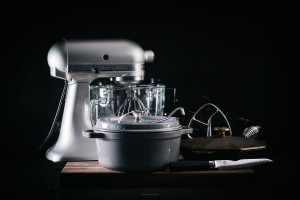 2015 Holiday Giveaway
 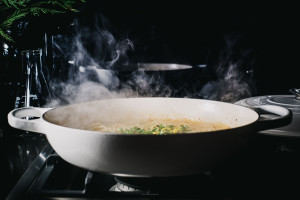 One-Pot Lemon Scallop Pea Spaghetti
  Beer Battered Onion Rings, Jalapeno Aioli
  2014 Holiday Gift Guide and a Giveaway
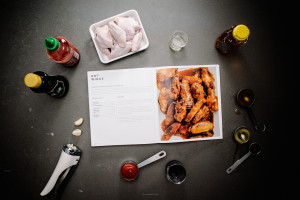 Easy Gourmet Hot Wings and a Giveaway!
 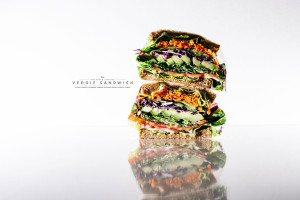 The Ultimate Veggie Sandwich
 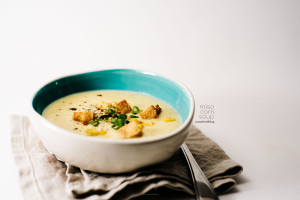 Vegan(!) Creamy Corn Soup Recipe
 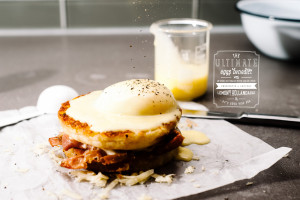 Sunday Brunch: Grilled Cheese Eggs Benny
