I Am... Japan’s Famous Nogami Shokupan Bread: People are Lining Up for Hours for this Fluffy White Bread
On our last day in Tokyo, Mike asked me what I wanted to do. I said, “I’m good with anything!” And it was true, I really was. Our trip to Japan was amazing – we saw sakura, we went to an onsen with a view of Mount Fuji, and we ate some crazy delicious food. I was happy for the last day to be super casual wandering around Tokyo vibes. But then, Mike said to me, “Really?! I thought you wanted to hit up Nogami?”
At that point, all bets were off. I mean, YES OF COURSE I wanted to hit up Nogami. Nogami has been on my list for a while because I am obsessedwith fluffy white Japanese bread. I often go into a little IG black hole where I literally look at loaves of shokupan. Mike and I even hit up several cafes on this trip just so I could have heavenly slices of bread, toasted.
If you haven’t had shokupan and are curious, it’s basically white bread that’s been baked in a pullman loaf so that the sides are completely squared off. The insides are fluffy and soft and biting into a slice is like biting into the most delicious cloud. Japanese people have perfected what they think is a perfect blank canvas for bread toppings and shokupan is fast becoming one of those small luxury food items that people line up for and wax poetic about.
One of the loaves that has been super popular is Nogami, from Osaka. The baker behind the extra soft and fluffy loaf is a 50 year old baker who wanted to change bread as Japan knows it. His aim was to create a loaf that was soft throughout, with a thin and pliable crust. In 2013, after years of research, he revealed his extra soft and fluffy loaf. He called it “nama shokupan” or fresh bread, which is kind of funny because, of course it’s fresh. But saying something is “nama” in Japan implies it’s fresh, natural, raw, and essentially good.
It turned out insanely popular, partially because it’s so good and partially because the man knows how to market. Each loaf goes for over ¥800 which makes it one of the more expensive loaves of bread for sale in Japan. Expensive price tag aside, everyone is eating it up and Nogami went from one store to 127 all across Japan. They sell over 55,000 loaves a day, which is astonishing.
Anyway, Nogami bread was definitely something I wanted to try. Would it live up to it’s hype? Would it indeed be the best bread I ever ate?
When we got to their main branch in Tokyo, the line already went past the front of their bakery on to the side. Mike had wanted to get there before they opened but somehow (okay, it was me!) we didn’t make it until after 12. The line was around the side and was mostly older ladies, younger ladies, and a couple of dudes with their ladies. I got the feeling that bread wasn’t something that dudes wanted to line up for. But then, two older construction worker type men lined up behind us, so I guess Nogami appeals to a wide range of people. Anyway, the line seemed to move both quickly and slowly. It took about 45 minutes to get into the shop, which is insane, I know. I was super grateful that Mike was down with waiting.
After we got in, we bought two whole loaves – one got a gift box because we were going to drop it off for a friend. The other loaf I carried around all dayuntil we got to the airport, where I continued to carry it. I put it on the arm rest next to me on the plane and was very, very careful not to squish it while I was sleeping.
When we got home, some 28 hours or so later after buying the loaf, I finally cut into it and we both had a slice, without toasting. Was it good? Hells yes! Was it the best loaf of shokupan I’ve ever had? Maybe not. It’s definitely one of the best, but the thing is, there are a lot of good loaves of shokupan in Japan. There’s even another bakery that has also won the same “Pan of the Year” (that’s bread of the year) award that Nogami has and doesn’t have a line. And heck, that loaf is just as good. So, if you’re wondering if Nogami is worth it, the answer is yes and no.
Mike will straight up tell you the answer is no though, if you want more of a solid straight shooting answer.
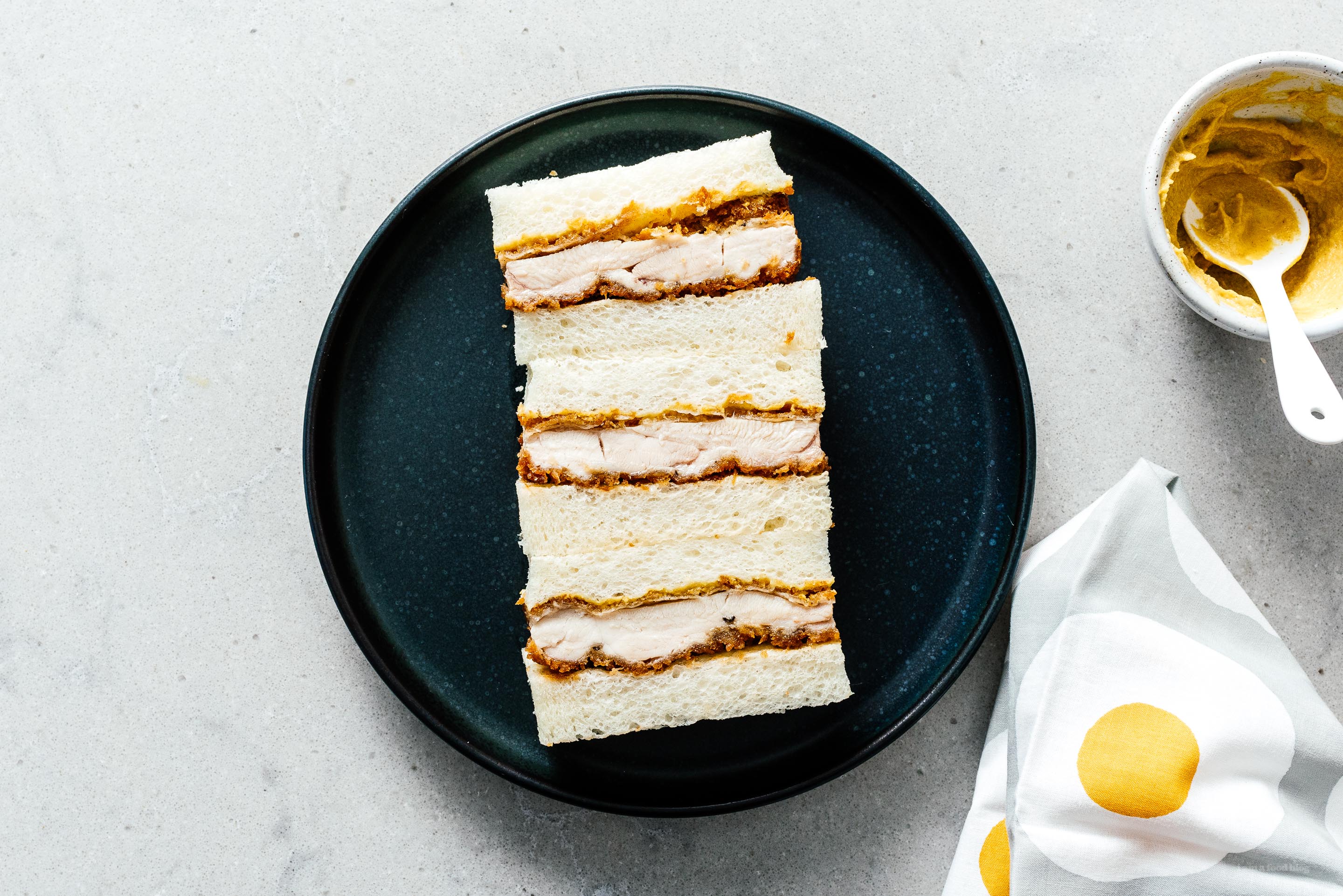
Still, I was insanely excited to have my very own loaf of Nogami right at home. We made strawberry sandwiches and katsu sandwiches and I enjoyed many slices of cheese toast and just plain fresh slices. It was truly bread heaven.
More info here!
Read More →I Am... Crispy Air Fryer Chicken Strips
Chicken strips and chicken strips and chicken strips and chicken strips. They are and forever will be one of my favorite things to eat, no matter how many people look down on them. They’re always on the kids menu and sometimes, I just ask if I can order them because when you have a chicken strip craving, it needs to be filled. I don’t even really understand why people look down on chicken strips. They’re essentially mini chicken schnitzels and people love schnitzel! Anyway, the next time your chicken strip craving hits and you don’t want to do the fast food or deep fry thing, try these air fryer strips! They’re not deep fried so already they’re on the side of health! Plus, if you use chicken breasts which are lean and full of protein, you’ve got even more reason to eat them. These strips get a blast of flavor from a quick soak in buttermilk, as well as onion and garlic powder. We served them up with some lime and cilantro for a bit of brightness. I could eat these every day, for real. PS - If you want your strips to look a little more golden, try toasting the panko in a dry pan for a little while. It’ll give the breadcrumbs that signature golden look.
Crispy Air Fryer Chicken Strips serves 2-4Read More →Soak the chicken strips in the buttermilk along with the salt and freshly ground pepper for 30 minutes to 1 hour. In a shallow container, whisk together the panko, garlic powder, white pepper, onion powder, and salt. Take a strip of chicken out of the buttermilk, shake gently, then coat in panko, pressing to ensure all sides are covered. Place in the fry basket of the air fryer, being careful not to crowd. Continue to coat all of the chicken. Lightly spray the chicken with cooking oil. Cook at 400°F for 5 minutes, then flip and continue to cook for another five minutes, or until cooked through and crispy, up to 10 minutes more. Enjoy hot!
- 2 boneless skinless chicken breasts, cut into strips
- 1 teaspoon coarse kosher salt
- 1 teaspoon freshly ground pepper
- 1 cup buttermilk
- 1 1/2 cups panko
- 1/2 tablespoon garlic powder
- 1/2 tablespoon onion powder
- 1 teaspoon salt
- 1/2 teaspoon pepper, preferably white pepper
- canola oil spray
- lime and cilantro to serve
I Am... Konbi’s Japanese Egg Salad Sandwich: Tamago Sando Recipe
Tamago sando, or egg salad sandwiches, are extremely popular in Japan – they even had a short run of tamago sando flavored potato chips! All of the combini (convenience stores) carry them, and as of late, there have been fancier tamago sando popping up too. But, if you want to keep it classic, just head towards the cooler in 7-11 or Lawson’s and pick up one of those ubiquitous soft and squishy triangles filled with a simple egg and kewpie filling. The bread is cloud like, the filling the perfect balance of savory and salty, and together, the parts create a whole that is extremely nostalgic. People who know, just know, egg salad sandos are where it’s at. David Chang knows. Anthony Bourdain knew. Egg salad is a thing and it’s here to stay. I always eat a tamago sando (or 8) when in Japan and this time, since we came home with a whole loaf of shokupan, I decided that we were gonna make our own. I went with a simple classic filling of medium-hard boiled eggs, kewpie mayo – absolutely essential – and a generous sprinkle of salt. Added in a couple of jammy eggs for a bit of visual contrast and boom, instant egg salad sandwich heaven. So nice to have a little taste of Japan, right here at home :) PS - I based this guy off of Konbi’s famous egg salad sandwich. Still haven’t had one, but soon!
Japanese Egg Salad Sandwich: Tamago Sando Recipe makes 1 sandwichRead More →Remove the eggs from the fridge as your bringing your water to a boil. Prepare an ice bath with a large bowl of cold water and ice. Bring a pot of water to rolling boil, then turn the heat down and gently add eggs in, with a slotted spoon. Turn the heat back up to medium high and maintain a simmer for 7 minutes. Remove 2 of the eggs, and leave the remaining 2 eggs in for another minute and a half. Plunge the eggs into an ice bath to cool down. Peel the eggs: Gently tap the wide end of the egg on the countertop, then flip around and tap the pointed end. Gently roll the egg and peel, under running water, if it helps. Cut the 7 minute eggs in half and set aside. Place the remaining two eggs in a bowl and use a fork to crush with the mayonnaise and a sprinkle of salt until a rough paste forms. Taste and adjust the kewpie mayo and salt. Spread an even layer of egg salad on one slice of bread then arrange the cut eggs on the salad, nestling in gently. Top with the remaining slice of bread, then cut into three, being sure to cut perpendicular to the yolks, so when you turn the sandwich, you see the yolks.
- 4 large eggs
- salt, to taste
- 1-2 tablespoons kewpie mayo, or to taste
- 2 slices fluffy white bread, crusts trimmed
I Am... Friday Finds: 4.26.19
Hai! Remember when I said that I don’t have jet lag at all? Yeah, I lied. I have crazy jet lag. I’ve been sleeping at 3 in the morning – sometimes even 4 – and it’s a good day if I get up before noon. I feel like a major slob but at the same time, I kind of don’t really mind? I’m going to try to get to bed early tonight though so hopefully I wake up at a reasonable hour. Being awake in the middle of the night gives me plenty of time to surf the internet and read ridiculous articles. I’ve also been spending my time getting hyped for The Advengers Endgame. We’ve got tickets to see it and I’m hyped! I will not be drinking anything or having caffeine that morning so I will be able to make it through the entire 3 hours without a bathroom break. Anyway, weekend plans?! If you’re bored, here are some fun reads! Webstuff:
- Do you have a favorite grocery store?
- The blackest black.
- Burritos as we know them.
- Instagram as we know it is over?!
- Rose all day, every day. Rose is never going to be off trend, it seems.
- New KitKat flavor!!
- I don’t know about you, but I’d say in this giant potato airbnb!
- Two ingredient chocolate pot de creme.
- I could eat this pasta all the time and be happy.
- I love pavlovas and this one looks perfect!
- I know it’s spring, but I kinda want a weighted blanket? Weird I know, but I like burrito-ing myself in blankets.
- These liquid measuring cups look interesting to me – sometimes I find the glass ones too cumbersome and they take up a huge amount of space, but these ones stack and would be usable with an immersion blender.
- General Tso’s chicken, with a healthy baked twist.
- I’m obsessed with Japanese shokupan: fluffy white bread.
- Hello UDON!!! And a bonus recipe if you’re feeling the udon urges.
- Do you guys wanna follow the white rabbit? He’s got cookies!
I Am... Easy General Tso’s Chicken: Healthy Baked Edition
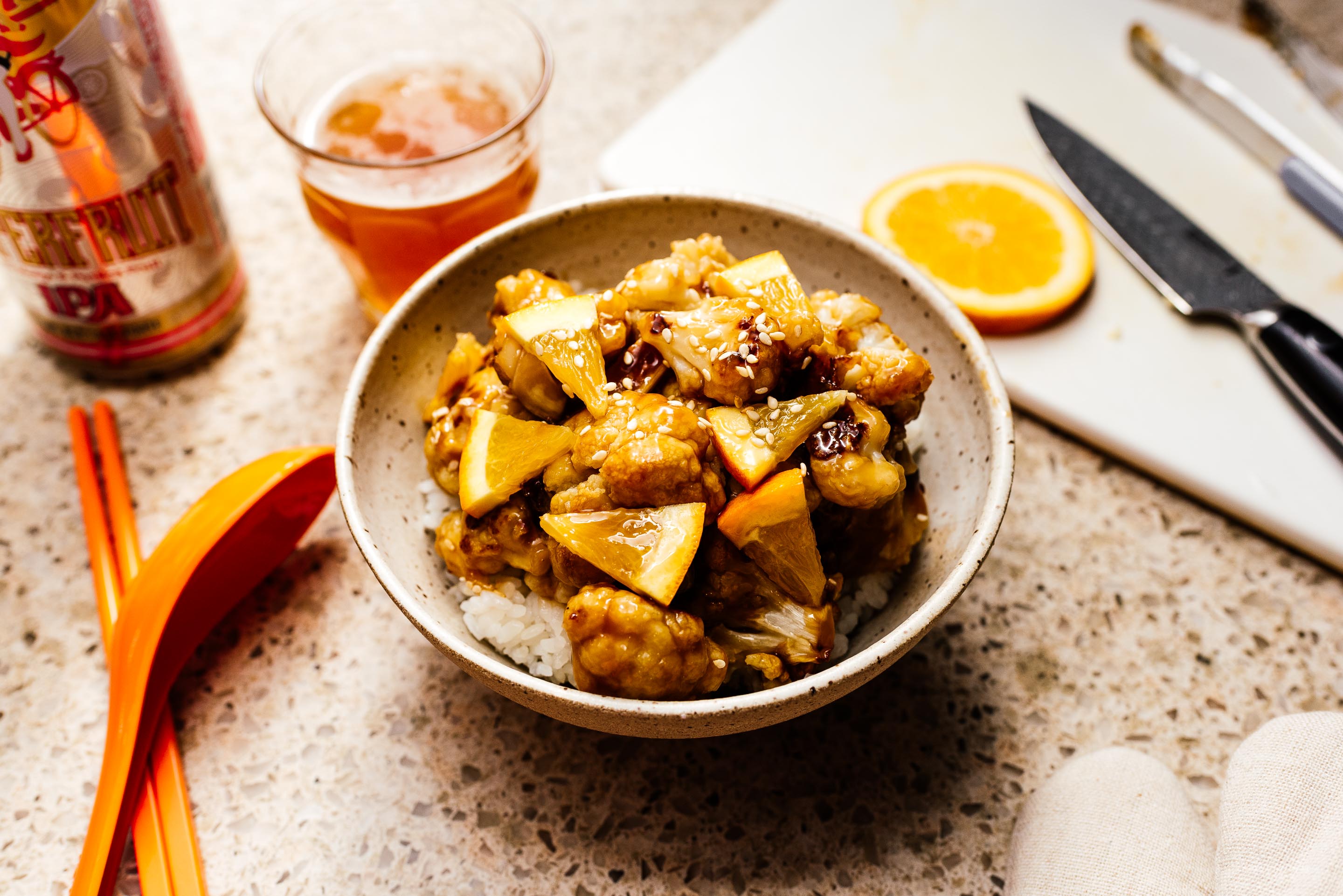
An easy general tso's chicken that's so hands off you’ll want to make it every night. General Tso's chicken might be the most popular dish in America when it comes to Chinese food. It's easy to see why with its sweet, sticky, and umami forward deep fried chicken nuggets. Like all things though, making it yourself at home is even better. This version is simultaneously tastier than takeout while being super easy and healthy because it's oven baked with no finicky oil to deal with, just delicious crispy chicken. 2025 Update: the air fryer is even better, read below.
Healthy and protein forward
Unlike traditional General Tso's chicken, this version is baked in an oven or air fryer. That means a lower fat content, lower cholesterol, and more protein in your diet.Dark soy sauce
If you'd like extra color in your dish, a bottle of dark soy sauce is highly recommended. In addition to color it also adds an extra layer of rich flavor. You can buy it online, at most larger grocery stores in the Asian aisle, and of course, at any Asian grocery store. Read More about dark soy sauce here.Next level but still easy General Tso's Chicken
If you are so inclined, cutting the pieces into smaller than usual 1/2" cubes make for a crispier chicken that's actually more true to its Hunan origins. Properly speaking all parts of an authentic Chinese dish should be cut down into a uniformly small chopstick friendly size. The whole dried peppers add an incredible kick if you eat them or a delicate hint of smoke if you don't, but you can just leave them out entirely if you don't like spicy food or can't find them, this is dinner & chill after all. The green onion whites comes very highly recommended.What do you need?
A non stick skillet and a baking sheet with a rack that fits. Cooking spray is highly recommended. It puts less oil on the rack than brushing (and you need the oil or you'll tear your chicken).Air fryer General Tso's
If you have an air fryer this is even faster. Just follow the recipe but arrange your chicken in the air fryer and fry at 390ºF for 15 minutes instead of the oven, then continue on with the recipe. In my opinion this is even better.How do you serve it?
Serve with rice, fried noodles, and some traditional chinese vegetables.Easy Baked General Tso's Chicken
An easy general tso's chicken that's so hands off you’ll want to make it every night.
- 1 lb boneless skinless chicken thighs (cubed into 1/2” pieces)
- 3 tbsp corn starch
- 2 tbsp soy sauce
- 2 tbsp vinegar (rice vinegar preferred)
- 2 tbsp sugar
- 1 tsp hoisin sauce
- 4 cloves garlic
Optional but highly recommended
- 1 tsp dark soy sauce (optional for color)
- 4-6 whole dried chinese chilies (optional if you'd like authentic spiciness)
- 4-6 green onion whites (optional but highly recommended)
- sesame seeds (for garnish)
Heat your oven to 450ºF and season your chicken with salt and pepper.
Transfer your chicken to a ziplock/plastic bag along with 2 tablespoons of corn starch and shake well. Arrange the chicken onto an oiled tray on a foil lined baking sheet.
Bake your chicken for 30 minutes at 450ºF, flipping once after 20 minutes.
While the chicken is baking, add the remaining 1 tablespoon of cornstarch to 1/2 cup of water in a cup and stir into a smooth slurry.
Make your sauce by combining soy sauce, vinegar, sugar, hoisin, and garlic. If you are going all out and using the optional dark soy, dried chilies, and green onion whites, add them now as well. Add the corn starch slurry and bring everything to a boil, then take off the heat and stir until a smooth and glossy sauce forms. Set aside and make your rice or relax with a glass of wine until the chicken is done.
When your chicken is crispy and brown, toss it in the sauce until everything is evenly coated. Top with sesame seeds and chopped green onions with a side of rice, and enjoy!
I Am... Instant Pot Chicken Tortilla Ramen Soup
There are some types of foods that people are happy to mess around and be creative with and then there are some types of foods that seem to be sacrosanct. I love a good classic, but I also am constantly blown away by creativity in food. Walking down the busy streets of Tokyo, I must exclaim every single minute to Mike about the food and how awesome it is. There are a ton of creative shops doing their own thing here and everything looks so good. The latest ramen craze seems to be spicy ramen. All the ramen shops are doing it. It’s not like they haven’t had spicy ramen before now, but all of a sudden it’s the hot new bowl in town and it seems like everyone is either making a spicy bowl or eating one. I can’t wait until we get back home so we can make our own spicy ramen. But in the meantime, back while we were still at home, one of the last bowls or ramen we made and ate was this chicken tortilla soup ramen. Sounds like it would be kinda weird and at first Mike was a little skeptical, but after the first few bites, we both agreed, it was a keeper. There’s no cute story about how I came up with the idea – essentially one day, at Taco Wednesdays (our favorite taco joints version of Taco Tuesday), I was having tortilla soup and I thought to myself, this is missing something. That something was noodles. 15 minutes of Instant Potting later and boom: chicken tortilla ramen. It’s a double soup ramen with super savory fire-roasted tomatoes and chicken broth, tender chunks of chicken (go for thighs, so much more flavor!), some peppers for spice, a tangle of toothsome ramen noodles, then ALL THE TOPPINGS. Spicy jalapeños, cilantro for freshness, avocados for the creaminess, cheddar for a bit of cheese pull, sour cream just because, and crunchy tortillas, because everyone knows that the crunchy tortillas are the best part of tortilla soup. Squeeze on some lime and you’re golden. Do this for dinner – it’s a dump everything in the instant pot and eat sort of situation. Noodles for the win!
Instant Pot Chicken Tortilla Ramen Soup serves 2-4Read More →In the Instant Pot insert, add onion, garlic, ancho chile, jalapeño, chicken broth, tomatoes, and chicken. Cook on high pressure for 5 minutes. While the Instant Pot is doing it’s thing, prepare the toppings. Slice the jalapeños, chop up the cilantro, slice the avocado, and cut the limes. Cook and drain the noodles and divide between two deep bowls. When the Instant Pot is done, quick release the pressure. Remove the ancho chile and discard. Carefully remove the chicken and shred. Add the chicken to the bowls with the noodles. Taste the soup and adjust the seasoning with salt and pepper, then divide evenly between the two bowls. Finish with jalapeños, cilantro, avocado, cheddar, sour cream, tortilla strips, and lime. Enjoy hot! Note: If you don’t have an Instant Pot, you can make it in a regular pot on the stove. Add the onion, chili powder, jalapeño, chicken broth, tomatoes, and chicken to a pot and bring to a simmer over medium heat. Continue to simmer until the chicken is cooked through, about 10-15 minutes, depending on the size of the chicken. Continue with the remaining steps.
- 1 onion, diced
- 3 garlic cloves, minced
- 1 dried ancho chile
- 1 jalapeno, chopped
- 4 cups no sodium chicken broth
- 14.5 oz can diced fire roasted tomatoes
- 1 large boneless skinless chicken breast or 4 boneless skinless chicken thighs
- salt and freshly ground pepper to taste
- 2 portions ramen noodles
- sliced jalapeños
- cilantro, roughly chopped
- avocado, sliced
- shredded cheddar
- sour cream
- crunchy tortilla strips or chips
- lime wedges
I Am... The Best Places in Tokyo for Fluffy Japanese Shokupan Bread
When you think of Japan, do you think of noodles or rice? There’s no doubt that there are a ton of delicious rice and noodle dishes, but maybe what you didn’t know is: Japan really excels at bread. Usually found in perfectly 90° square sided loaves, shokupan, as Japanese white bread is known as, is unbelievably fluffy, soft, and delicious. Milky cloud white with a tender crumb, it’s a loaf that will take you right back to childhood, conjuring up the images of the ultimate crustless white bread sandwiches you dreamed of your mom making. Of course, that’s a completely subjective view point – maybe I’m the only one who dreamed of crustless sandwiches made from the softest, whitest bread filled with salty smooth peanut butter and sweet strawberry jam. The truth is, Japan is as obsessed about bread as it is about noodles or rice. While shokupan is plain and unassuming, with none of the texture or intense flavors of sourdough, it makes the perfect neutral canvas, much like a plain bowl of rice. Just like how rice can have nuances, so can shokupan. Bakeries pride themselves on both ingredients and history. Much like how you can judge a French bakery by its baguettes, you can also do the same with a Japanese bakery and its shokupan. Here are Here arethree of my favorite places in Tokyo to get the fluffy white stuff! Just a heads up though, much like anything that’s popular in Tokyo, there maybe a line, don’t be surprised if there is, and be absurd be excited if there isn’t. Centre the Bakery Center the bakery has a delightful café where you can choose your own toaster. Choose your own toaster! I feel like that sentence is enough to make you want to go there but if you need more convincing, it also happens to be one of the best shokupan bakeries in Tokyo. They consistently have lines and often sell out of their whole loaves, especially their “European” and “American” style shokupan. If you’re not looking to buy a whole loaf, you can skip the long line on the right hand side of the bakery and line up on the left for the café. Try the toast set which will give you one slice of each type of shokupan, as well as different butters and jams. 365 Days 365 Days is literally open every day of the year, except for leap year days. The original bakery is near Yoyogi Park, on a side street in a somewhat quiet area. That doesn’t stop them from having long lines of bread fans lining up for their famous crunchy croquant chocolat, a bun filled with crunchy little chocolate bits. They do excellent mini shokupan that are made with Hokkaido milk – perfect fresh and even better when toasted and slathered with butter. They’ve opened a new store in the more central location of Shinbashi, so there’s no excuse to not go! Pelican Bakery Pelican Bakery has been around for about 76 years and is still going strong. They only make two items: shokupan and dinner rolls. When you visit their little shop in Asakusa, which is more of a mini store front for their baking facility, you’ll see rows and rows of bread lined up, but they’re not for sale – those are preorders that people have called in so that they aren’t disappointed when Pelican Bakery inevitably sells out of bread. They do have some loaves for sale though, so don’t be afraid to pop your head in and ask. And, if you’re not looking for a whole loaf, Pelican supplies bread to many cafes around town and also has their own, just down the street. Get the toast set, which comes with coffee or tea and a thick slab of freshly baked Pelican bread toasted over an open fire. Serious bread goodness. Anyway, I hope this has inspired you to seek out some Japanese bread. It’s truly one of my favorite things in the world to eat. I love it when it’s fresh and fluffy and chewy, just like what you’d imagine a cloud to taste like; I love it when it’s toasted, with a crisp and crunchy layer giving into soft insides; I just love it.
Read More →I Am... Instant Pot Pork Shoulder Chile Verde
It's a shame that not more people know about chile verde, aka green chili, because it's one of the greatest stews ever invented, in my opinion. Smoky roasted green chile peppers and tomatillos and super soft chunky pork shoulder come together to make one of the most satisfying meals you've ever had in your life. This version is super simple, removing everything you don't need and keeping only what you do. It's not the easiest dinner & chill recipe, but it's worth it! Cooking Notes Browning the meat is a completely optional step that you can do while you wait for the peppers to roast, but it's not necessary. You can also do a very lazy job of browning only one side which is what I do. Anaheim chiles are actually Hatch chiles that were smuggled out of New Mexico and planted in California. They don't have anywhere close to the smoky heat that real Hatch chiles have, but they are close enough in the middle of winter. If you can't find either, sub any large green chile, such as poblano or any other pepper roughly 6" long. In a pinch, combine jalapeno and bell pepper. This recipe is for 1 pound of pork shoulder, but honestly Steph and I never find it enough. We double the recipe when we make it for dinner. What do you need? An instant pot, a blender, and a baking sheet. If you don't have a blender, crush the garlic and mince the cilantro to the best of your ability and just throw the rest into the pot, it'll dissolve. If you don't have an instant pot, this recipe will also work in a slow cooker, dutch oven, or regular pot, just double the cooking time. How do you serve it? Serve with tortillas, rice, or just eat by itself. Topping with avocado, lime, and cilantro highly recommended.
Easy 7 Ingredient Instant Pot Green Chili Recipe Serves 21. Preheat your oven to broil/500ºF. Using cooking spray or neutral oil, coat the peppers and tomatillos and roast for 10 minutes, then flip and roast for another 10 minutes. 2. Season your pork with salt and pepper. While the peppers are roasting, with your instant pot on saute high mode, roughly brown your pork shoulder in 1-2 tablespoons of oil. It’s not really necessary to get every side browned. 3. Add the onions. Reduce the heat to saute low and continue cooking until the onions are soft and translucent. 4. When the peppers are done, remove them and transfer just the 3 peppers to a ziploc bag to steam. After they are cool enough to touch (5-10 minutes), remove and peel the peppers. 5. Discard the peels and transfer the peppers to a blender, along with the tomatillos, cilantro, garlic, and a pinch of salt and pepper. Puree and add to the instant pot. Add 1 cup of water to your blender and pulse a couple of times to get the last bits, then add to the instant pot as well. If you like your chili on the thicker side, only add 1/2 cup of water. 6. Cook on high pressure for 30 minutes. Quick release when done. Add the cumin, stir well, and adjust the seasoning with salt and pepper. Top with lime, cilantro, and avocado, and enjoy!
- 3 green chiles (ideally anaheim)
- 3 tomatillos
- 1lb pork shoulder, cubed
- 1/2 onion, roughly chopped
- 2 garlic cloves
- 1/2 cup cilantro (half a bunch)
- 1 teaspoon cumin
I Am... Dry Mein Recipe from Aloha Kitchen
Do you dream of Hawaii? Its brilliant blue waves, soft sandy beaches, and lush green forests? When you think of Hawaiian food, do you think of pizza? Well, if you do, Aloha Kitchen is here to blow your mind. Aloha Kitchen, by my dear friend Alana of Fix Feast Flair, is a gorgeous collection of all the foods that Hawaii calls near and dear – nary a pineapple pizza in sight. I first met Alana years ago – I’m not even sure how we might have come across each other...oh wait, now that I’m thinking about it, I’m pretty sure I just wandered over to her little part of the internet where I was drawn in by stories of mochiko chicken, spam musubi, and butter mochi cake. I must’ve left a bunch of creepy stalker-ish gushing comments. Somehow we became good friends. We’ve made panda buns together, hung together, and even have been to Hawaii together. It was amazing having Alana show me her hometown. We ate all the things but somehow missed out on dry mein?! If you know anything about me, it’s that I’m a noodle lover. So even though every single recipe in Aloha Kitchen called to me (shave ice! malasadas! plate lunch!), it was the dry mein that really caught my eye. Dry mein is somewhat similar to a lo mein, in that it’s essentially noodles tossed in sauce. Alana’s Hawaiian version is tossed with a soy-oyster sauce, with slivers of Chinese char siu, crunchy bean sprouts, and fresh sharp green onions. I love how just a couple of ingredients come together to create something amazing. I wish I could say that we went all out and made the char siu recipe from Alana’s book, but the truth is, that Mike made these noodles the day before we left for Japan and we didn’t have time to make the char siu. Instead, we went to our favorite Chinese bbq joint to pick up some of the best char siu in town. It’s always insanely busy – the little sit in area is always packed and the line ups are usually out the door. I love having a little Chinese bbq place and according to Alana’s book, so do people on Hawaii! Anyway, this dry mein was awesome, especially with the suggested hot mustard. So noodley and good. I hope you get a chance to make it, and if you don’t, I hope you get a chance to pick up Alana’s book. Flipping through the book is like visiting Hawaii. You really get a sense of that friendly aloha vibe. The photos are vibrant and gorgeous and Alana’s writing makes you feel like a close friend is giving you the best private food tour you could ever imagine. It’s like you’re in Hawaii without the plane ride :)
Dry Mein serves 4-6Read More →via Aloha Kitchen Bring a large pot of water to boil over night heat. Rinse the noodles under the kitchen faucet to remove any excess cornstarch. Place the bean sprouts in a large colander and set in the kitchen sink. Cook the noodles in the boiling water until they begin to float to the top, about 1 minute. Do not overlook the noodles; you want them to be al dente. Pour the noodles into the colander with the bean sprouts. Give the colander a good shake and transfer the noodles and bean sprouts to a bowl. Toss them with the oil, soy sauce, oyster sauce, and black pepper to taste. Toss in the char siu and green onions. Serve with a dash of hot mustard.
- 1.5 lbs fresh noodles
- 6 ounces bean sprouts
- 1/4 cup neutral oil
- 1/4 cup soy sauce
- 2 tablespoons oyster sauce
- freshly ground black pepper
- 1 lb char siu pork, julienned
- 6 green onions, green parts only, chopped
- hot mustard, to serve
I Am... The Ultimate Guide To Sanuki Udon In Kagawa: The Birthplace of the Best Noodles Ever
I have a deep and abiding love for udon. Soba and ramen get all the love, but the humble, unassuming udon noodle is my favorite. Thick and chewy in the best way, super slurpable udon noodles don’t get enough love. They’re just the right amount of firm, with a smooth supple bite. Perfect hot, cold, or anywhere in between. Much like the wine regions in France, many of the prefectures in Japan have their own type of regional udon, differing in thickness, shape, and preparation. There are three ultra famous udon types in Japan: 1. Inaniwa Udon from northwest Akita: thin, chewy, and smooth. Inaniwa udon take up to four days to make and used to only be eaten by the Imperial family. 2. Sanuki Udon from Kagawa, Shikoku, the smallest island in Japan: square cut, firm, and supple. 3. Kishimen Udon from Nagoya, the fourth largest city in Japan: thin and flat. There are many more udon types, but perhaps the most well known both in Japan and abroad, thanks to food tourism, is sanuki. Kagawa is said to have the highest udon consumption rate in Japan - they even refer to themselves as the udon prefecture. As a noodle lover, it just didn’t feel right that Mike and I have never been to Kagawa. So, with empty bellies and open hearts, we boarded the Shinkansen towards the land of broth and udon. We arrived in Takamatsu, the capital city on the Island of Shikoku. It’s pretty small as cities go and we chose it more as a home base, rather than a city that we really wanted to explore. Nonetheless, that first night we managed to have a disappointing mediocre bowl of udon as well as their city specialty: chicken baked on the bone. Neither were anything to write home about. I was still a bit jet lagged (okay, majorly jet lagged) so we called it an early night so we could go udon trekking bright and early the next day.
Gamou Udon
We started off our udon itinerary by hopping on a local train heading east through fields and fields of vibrant green wheat. Our destination was the tiny town of Kamogawa. We got off on the platform, crossed a river, and walked through quiet residential streets until we saw an incongruous parking lot full of cars. The cars were there for the same reason we were: udon. Well, at least their drivers were. There was a line made up of what looked to be udon pilgrims and locals, quietly waiting to get inside for their bowl of udon. There’s barely a menu and all you need to know is if you want your udon hot or cold and how many bundles of udon you’re hungry for. After you let the chef know, he hands you a bowl of udon. Then you get your toppings, pay, and head to the giant pot of dashi that’s on a soft simmer. Fill your bowl and top it off with some green onions and then head outside to eat on a bench. Part of the fun was slurping outside on a sunny day with everyone else doing the same thing. There were construction workers, families, and us. The noodles were just the right amount of firm and chewy – mochi mochi as the Japanese like to say. We got a bowl of both cold and hot so we could compare. The cold udon was a touch more firm and the warm udon soaked in a bit more of the dashi flavor and was just the tiniest bit more supple. A pure and simple bowl. Seriously, nothing beats the combination of udon and tempura. If you love udon, you’ll appreciate the udon here, like much the rest of Japan. Gamou is one of the highest rated udons in Japan.Jotou Udon
After our bowl at Gamou, we headed back on the train towards Minoura Station, a tiny station that consists of a platform by the Seto Inland Sea. We got off the train – we were the only ones who did – and headed across the train tracks towards a tiny little shop by the sea. Looking towards the Seto inland sea you can see the concrete blocks breaking the tide. Looking back towards the tracks, there’s a sun worn blue noren fluttering in the wind to let you know you’re at the right place: a for-the-love-of-udon shop opened by a husband-wife team that runs Japan’s number 6 udon shop according to the ever popular Tabelog – Japan’s definitive restaurant rating catalog. Order your noodles from the friendly proprietress – she’ll hand you a bowl and gesture you towards a vat of boiling water where you heat them up briefly yourself. Top it off with dashi, green onions, and little bits of tempura crunchies. Choose from the small selection of tempura, pay, and find a seat. We sat down at a counter seat next giant window facing the train tracks. There was a small grove of Sakura trees in full bloom. The sun was streaming through the blossoms and a gentle breeze blew soft pink petals through the air. It was like something out of an anime: the warm spring sun, a train rumbling by, the sound of Japanese talk radio murmuring in the background, and the laughter of the husband and wife chatting with each other. I was deeply deeply content, me by Mike's side, the both us of lost in our bowls, slurping in silence. The noodles were thick and slippery and chewy in the best way possible and the experience just couldn’t be beat.Nagata in Kanoka
Nagata in Kanoka is rated the second highest udon in Japan. People travel from far and wide for a taste of their udon. As we got off at the train station, we even noticed another udon fanatic walking towards the restaurant at the same pace we were. When you get there, you’ll see a giant parking lot filled with cars. Cars are definitely a thing in the Japanese countryside - it’s a lot easier to go on an udon tour if you have a car. And for some reason, all the tourists going around eating udon are local Japanese people. Nagata in Kanoka had the feel of serious udon place with a bunch of udon heads, plus some local grandmas and grandpas thrown in. Anyway, much the same as the other udon places, all you can do here is order hot or cold. There aren’t even any toppings to be had. This place is ALL about the udon, nothing else. And the thing is, it didn’t disappoint. We ordered a hot and a cold, of course. The hot came in a bowl its own cooking liquid and a huge jug of hot dashi. You pour the hot dashi into a cup, add some green onions and ginger, then grab some noodles from your bowl and dip it into the soup. The first bite of udon was SO GOOD. Very chewy and slippery but not too soft. The hot ended up being just a touch more soft/supple compared to the cold, as per usual. The cold was beautifully firm yet chewy. It’s the kind of udon you want to eat over and over again. The first bite of the hot udon is very impressive, but the cold is what you’ll go back to time and time again.Ippuku Honten
We visited Ippuku the next day, fresh from a good night’s sleep. It’s only a couple of stations away from Takamatsu, the capital city of Kagawa, so it’s a very easy udon destination, especially compared to some of the other udon shops that we visited. After a short walk from the station, we came across a cute little neighborhood udon shop full of families, young couples, and groups of friends. Ippuku is a casual sort of udon place, the kind where you grab a tray, then head down the cafeteria style line. First you pass by a selection of onigiri, then you let the udon chef know which noodles you want, then you pick up your toppings, pay, find a seat, and slurp away. Ippuku has the most extensive menu of all the udon shops we went to. They have the classics of course, but they also have kama tama, a sort of carbonara type situation with a raw egg; curry udon featuring that classic thick Japanese curry sauce; and niku udon, udon with dashi and thinly sliced beef, kind of like a gyudon beef rice bowl, but on noodles. I was going to go for kama tama, but ended up getting niku udon because that’s what Mike always gets and I always covet his bowl. It was a good move. The beef was tender and sweet, the dashi perfectly seasoned and the noodles...oh my goodness, the noodles were intensely good. Even though they were slightly thinner than some of the other udons we visiting, they still had heft and chew. So slurpable and completely satisfying. It was probably the best udon shop to end on. Fun and friendly, with a room full of laughing udon eating locals. My udon heart was so full. Note: it’s actually unclear which three udons are the top three famous udon in Japan, because there’s some discussion on what the 3rd udon is. Some say it’s Kishimen, some say it’s Mizusawa, some say Himi udon is the third. I guess we’ll never know, but in my heart, sanuki is number one. Read More →I Am... Spicy, Savory, and Completely Addictive Mentaiko Kimchi Udon
Hi from Niigata, a little town on the Western side of Japan. It’s not a huge must visit for most first timers to Japan, but if you love rice, sake, and seafood, it’s great! Still, even people in Japan will find it hard to believe that you’re going. I mentioned to one of my Japanese friends that we were headed there and she said, “Wow, that’s the real countryside!” It’s true, there are fields and fields of rice and it is decidedly less cosmopolitan than the other major cities in Japan, but it has a charm all its own. The people are friendly and the food is good – what more could you want? The first place we ate at was a little izakaya that kind of reminded me of home. We have a ton of great izakayas in the city and one of our faves does this crazy delicious kimchi mentaiko udon that I love. You’ll see plate after plate of it head out of the kitchen: a tangle of firm, yet chewy udon noodles coated in a butter, kimchi, spicy cod roe mixture. Have you had mentaiko before? It’s a Japanese take on a Korean spicy salted cod roe – basically spicy fish eggs that add a huge hit of flavor to rice, noodles, eggs...essentially anything and everything you can think of. It goes exceedingly well with kimchi and even better with noodles. This has got to be one of the easiest noodle dishes you’ll ever make. The payoff compared to the effort you put in will blow you away. Of course, you have to go to the Asian grocery store to get the mentaiko, which might be a pain, but hey, while you’re there, you can stock up on the snacks, am I right? And, if you absolutely can’t make it to the store and only have kimchi and butter in the fridge, that’s pretty darn good on it’s own. Kimchi butter noodles are where it’s at, the mentaiko just takes it over the top. I hope you guys have a chance to try these noodles! I’m going to head out now – we’re planning on finding some yakitori :)
Spicy, Savory, and Completely Addictive Mentaiko Kimchi Udon Recipe serves 1-2Read More →Cook the udon according to the package and drain well. Melt the butter over low heat and add the kimchi, frying slightly. Remove the roe from the sac by cutting open with a knife and using a spoon to scrape out the eggs. Add to the butter and kimchi. Toss in the udon and mix until well coated and glossy. Top with green onions and nori. Enjoy hot!
- 1 brick of frozen udon
- 1/2 cup kimchi, plus a bit of kimchi juice
- 1 tablespoon of butter
- 1 sac of mentaiko
- sliced green onions and nori, to finish