I Am... Iced Matcha Latte Recipe
Iced matcha latte is having its moment in the sun and I am here for it. I love the green earthiness of matcha and I’m so excited that there are a bunch of new matcha cafes cropping up. Of course, I’m not loving the expensive price tags that iced matcha lattes come with, so I’ve been making my iced matcha lattes at home.
Matcha latte is better at home
It’s so satisfying to whisk up matcha into a smooth, bouncy microfoam. Plus, when you make matcha at home you have control over everything: the ice, the milk, the sweetener, and of course, the matcha. When you love matcha as much as I do, making lattes at home is so much better than paying for a water-y overly fancy matcha drink from a cute cafe (most of the time). You get a little moment of zen, a feeling of accomplishment (even if it is just making yourself a drink), a little bit of self-care, and a treat.Iced strawberry matcha latte
My favorite matcha drink at the moment is the ever classic, strawberry matcha latte. The distinct layers of ruby red strawberries, pearly white milk, and verdant green matcha are just *chef’s kiss.* The sweetness of the strawberries, the creaminess of the milk, and the subtly bittersweet of matcha go so well together. Plus, they’re super easy to make at home. I’m going to do it two ways: one with homemade strawberry compote and one with strawberry preserves/jam.Just a plain iced matcha latte
If you’re looking for a classic iced matcha latte, sans strawberry, it’s essentially the same as making a strawberry matcha latte, minus the strawberry, plus a sweetener. You can use anything you like for sweetener: honey, maple syrup, simple syrup, or even flavored syrups. How much you add is up to your preferred sweetness level. Start with 1-2 teaspoons and go from there. You can always add more sweetener at the end, but you can’t take sweetener away.Iced matcha latte ingredients
Strawberries
The sweetness in this matcha comes completely from the strawberries. If you’re a sweet tooth, you can add in a bit of sweetener too, but I find that the strawberries add just the right amount of sweetness to contrast and highlight the flavor of matcha. You can go one of two ways to make the strawberry component: homemade or store-bought. Obviously, store bought is super easy and convenient and it’s what I do in fall and winter when local strawberries aren’t in season. I love Bonne Maman’s strawberry jam/preserves. That being said, if strawberries are in season, I love making a quick strawberry compote — it tastes fresher, sweeter, and more like summer. More on that below.Milk
The milk in this latte is up to you. The nuttiness of oat milk pairs very nicely with matcha, as do all the other plant based milks. Regular, conventional milk works too. It’s really up to you and what milk you love in your lattes. I like oat milk or 2%, depending on my mood.Matcha
The most important part! There are so many grades of matcha powder out there and so much information about quality and taste. There’s a lot of discourse about how you shouldn’t use high-quality matcha for lattes, but I’m of the opinion that you should do what’s right for you. If you want to use high quality, ceremonial grade matcha in your strawberry matcha latte, go for it! I usually use ceremonial grade. I understand why people say that it’s wasted in something that is not just plain matcha, but I can taste the difference between culinary and ceremonial matcha and I want my strawberry matcha lattes to taste amazing. The choice is up to you.Ice
Ice is so much more than just what makes the latte cold. The shape and size of your ice also affects the taste. Be aware that not just the shape, but the amount of ice changes the way your latte will taste. If you like your lattes strong and concentrated tasting, use a giant, large ice cube. Use smaller ice if you like a bit more mellow latte. If you use crushed (or even better, nugget) ice, it will make your latte taste even more watered down, almost like a fresh green water. I go between regular sized ice cubes and giant ice cubes, mostly. Sometimes if I feel like I want to sip on something for a long time with a more watered down flavor, I’ll use nugget ice.How to make an iced strawberry matcha latte
- Make the strawberry compote - if you’re using strawberry jam/preserves, you can skip this step. It’s super easy to make fresh strawberry compote though, check out the next section.
- Add the strawberry to the glass - scoop out 2 tablespoons of the fresh strawberry compote and add it to the bottom of your glass. If you’re using jam, you might want to experiment a bit with how much or little strawberry jam you want to add.
- Add ice and milk - add a generous amount of ice to your glass and pour in 170 ml (about 3/4 cup) milk of your choice to the glass. Set aside.
- Whisk the matcha - use a sieve to sift 4 grams of matcha into your matcha bowl. Add 15 grams (about 1 tbsp) of room temp water and use your chasen (matcha whisk) to mix into a thick paste. Add 45 grams (about 3 tbsp) of warm water (140-150°F) and whisk, whisk, whisk, until your matcha is thick and foamy. Pour the matcha gently into the glass, aiming for an ice cube so the ice cube can break the tension and help layer the matcha over the milk.
- Enjoy - admire your gorgeous homemade iced strawberry matcha latte, use a straw to stir it all up and enjoy!
How to make strawberry compote
- Wash and hull 1lb of berries and chop them into small pieces.
- Add the strawberries, with 1/4 cup sugar and a squeeze of lemon, to a small pot and bring to a gentle simmer over medium-low heat, stirring until the sugar dissolves and the berries start to break down and thicken.
- When the berries are soft and the sugar is completely mixed in, remove from the heat.
- Use the back of your spoon or fork to mash the berries up, making sure that they’re soft and small enough to go through a straw.
- Set aside and let cool completely.
Do I need a matcha whisk/chasen?
You don’t need a matcha whisk and holder, but if you have one, making matcha will be infinitely more enjoyable and easier. Traditional matcha whisks, called chasen, are made of a single piece of bamboo and have a multitude of springy whisps specifically designed to help whisk matcha into a creamy emulsified suspension. Chasen’s advantages are twofold: because chasen are made from bamboo, they won’t scratch your bowls and because they have so many prongs, they will actually froth your matcha, unlike a metal whisk. If you get a matcha whisk, it’s best to get the holder – kusenaoshi – as well. The holder holds the whisk with the prongs facing down so they can air dry in the proper shape and not get moldy. Unlike most things in the matcha world, chasen aren't super expensive either. After trying a whole bunch of cheap and expensive ones from here and brought home from Japan, I find myself using this one from Amazon most often, which is a bonus because I can easily replace it when the prongs wear out. That’s it! I have so many other matcha drink recipes if you like, so let me know if you try this one or if you want more! xoxo stephIced Matcha Latte Recipe
Making iced matcha latte at home is so satisfying and so much cheaper.
- 2 tbsp Strawberry jam (or compotes (preferred, see notes) or syrup of choice (see notes))
- 170 ml milk (of choice)
- 4 g matcha
- 60 g water
In an 16 oz glass, add 2 tbsp homemade strawberry compote, store-bought strawberry jam, or simple syrup (see notes).
Add ice to the glass so that it is about 3/4 full. Gently pour in your milk of choice.
Sift 4 grams of match into a matcha bowl. Add 1 tbsp room temp water to the bowl and use your matcha whisk to mix the water and match powder into a thick paste. Add 3 tablespoons of warm water to the paste and whisk briskly in a z or w motion, making sure to go around the sides every so often to ensure all the matcha powder is whisked up.
Pour the whisked matcha into the glass. Add a straw, stir, and enjoy!
If making a regular matcha latte, you can use anything you like for sweetener: honey, maple syrup, simple syrup, or even flavored syrups. How much you add is up to your preferred sweetness level. Start with 1-2 teaspoons and go from there. You can always add more sweetener at the end, but you can’t take sweetener away.
Strawberry Compote
makes about 2 cups
prep: 5 minutes
cook: 15 minutes
1 lb ripe strawberries, washed, hulled, and chopped
1/4 cup sugar
2 teaspoons fresh lemon juice
In a small pot, add the strawberries, sugar, and lemon juice. Bring to a simmer over medium-low heat, stirring occasionally, until the strawberries start to breakdown, about 10-15 minutes. Lightly smash the berries to break them up. Remove from the heat and let cool completely before placing in an air tight container. Store in the fridge for up to 1 week.
Estimated nutrition assumes homemade compote and 2% milk.

I Am... Our Best Restaurants: Toronto 2025
It’s no surprise that Mike and I love eating, so when he suggested a quick getaway to Toronto to both celebrate our anniversary and eat our hearts out, I was all in. We haven’t been to Toronto for a couple of years now and he convinced me with talk of silky udon, really good sushi, and amazing Italian food. We went, we ate, we walked, we Toronto-ed. Toronto, thanks for the vibes - and the food, of course. Warning: this is going to be an old school blog post. Here’s where we ate:
Takja BBQ House
Takja is sleek, dark, and smoky in the best way possible. Okay, it’s not actually smoky because they have an excellent exhaust system, but let me pretend for the feels. Anyway, Takja is full of dry aged meats, fresh seafood, a plethora of banchan, and house-fermented ssamjang and kimchi. Whether you’re a deep lover of Korean or a KBBQ newbie, Takja will impress. You won’t find burnt meat or overcooked proteins here because even though each table has its own grill, you don’t get to wield the tongs. Instead, they grill for you, at the table, which results in perfectly cooked bites, every time. I asked if anyone ever tried to grill themselves and they said that it has happened on occasion, but when it does, they cry inside and then gently take over the tongs. We loved it here. We got the Hansang, which translates to “a table full of food,” showcasing some of their highlights. It was amazing. We especially loved the crispy seafood pancake, the pork shoulder, and the kalbi. The in-house made banchan was the perfect accompaniment to the meat and ending on an epic strawberry matcha bingsoo was the cherry on top. Highly recommend if you’re looking for a special dinner or if you want to know what real Korean BBQ should taste like! Takja BBQ House 962 College St, Toronto, ON Tues-Sun 5-10pmGiulietta
Toronto is full of amazing Italian restaurants and Giulietta is definitely on that list. Giulietta is the little sister restaurant to Michelin-starred Osteria Giulia. She’s a bit more sassy, laid-back, and fun. Go here if you’re looking for the neighborhood Italian restaurant you wish you had at home. Well-executed, delicious, in-house made pastas and wood-fired pizzas, as well as a couple of vegetable and seafood dishes make up the menu. Some say Giulietta is over-hyped, we say what isn’t these days? We had the calamari fritti, which was crisp and tender; the tonnarelli cacio e pepe, which had perfectly thick, al dente noodles; and the mushroom pizza, which was fluffy and chewy and full of flavor. We finished with tiramisu, of course, and it was a really fun night. I appreciated the fact that there was a mix of patrons: some dressed to the nines and some in tees and sneakers. The vibe was chill and the food was good! Giulietta 972 College St, Toronto, ON Mon-Wed 5-10pm Thur-Sat 5-11pm Sun 5-9:30pmSushi Yugen
Mike and I love sushi and have eaten so much sushi together, from standing sushi bars to quiet intimate neighborhood counters to high end omakase in Tokyo. All that to say, we know sushi. Mike was the one who discovered Sushi Yugen (I’m not sure where he came across it) but I am in love. True omakase vibes with sushi to match. The restaurant is divided in two: a sushi only counter and a minimalist, elegant back room reminiscent of Tokyo, with only 8 seats. The front of the restaurant is reserved for sushi only omakase, while the back room is an all-out omakase that starts with kaiseki inspired dishes and ends with sushi. I didn’t know if I would love it or hate it because sometimes sushi in North America is not quite on the level as in Japan. That being said, I was blown away! Mike and I agreed that this was probably the best omakase we’ve had in North America. The kaiseki inspired dishes were innovative and delicious and the sushi was on point. The Shimane Kinomusume shinmai rice seasoned with the chef’s blend of akazu red vinegar was perfection and the neta (the fish on top) was exquisitely in season. Highlights were the kohada (Japanese gizzard shad) and the nodoguro (Japanese black sea perch). We loved it! Sushi Yugen 150 York St, Toronto, ON Mon-Tues 11:30am-3pm, 5:45pm-10:30pm Wed-Sat 11:30am-3pm, 5:45pm-11pmGeneral Public
Opened by beloved Toronto restauranteur, Jen Agg (of Grey Gardens, Black Hoof, Bar Vendetta, etc), General Public is a quirky mishmash of high and low. Located inside an industrial warehouse, it’s a quirky, cute, all over the place space with 80s style glass blocks, green velvet banquettes, and peachy-pink rattan chairs. Somehow it works. The food is a mash up of English pub x American brasserie and I am here for it! Give me all the thick cut french fries, Yorkshire puddings, dippy eggs, and well-executed cheeseburgers. They also have the cutest guinea pig mascot/logo that is incredibly cute. They should sell merch. Wait, I think they do sell merch. Anyway, the food was as expected: well executed classic brasserie flavors. Mike really loved the double-barrel shotgun martini and I loved the simple, creamy, served-in-a-can butterscotch pudding. We went on a weekday for lunch and it was a calm oasis with no wait and perfect summer light streaming in through the giant garage doors. General Public 201 Geary Ave, Toronto, ON Everyday 11am-11pmGateau Ghost
If you know me at all, you know that I have an obsessed with diners, diner dishware, hand-drawn illustrations, pastries, and aesthetic cafes. Basically, I’m basic. So, of course when I stumbled across Gateau Ghost, I told Mike we HAD to go. Gateau Ghost is first and foremost known for their madeleines: tall and pillowy, soft and dense, in a good way. They come in a multitude of flavors, inspired by owner-baker Jayden Park’s Korean heritage. But, the madeleines aren’t the reason I wanted to come. It was the cute ghost logo, which started as a drawing by Park as a smilie on a madeleine, but turned out to look more like a ghost. I love a good ghost and the menu, with cereal shrimp toast and sticky madeleine toffee pudding served up on green rimmed diner plates was right up my alley. I loved i it and Mike did too, especially the GG’s Caesar, which was seasoned with hoisin, sriracha, and gochujang. Gateau Ghost 974 College St, Toronto, ON Tues-Wed 7am-7pm Thus 7am-10pm Fri-Sat 7am - 11pm Sun 7am-9pmRaku Toronto
If you love udon, you’ve probably heard of Raku, a North American udon chain out of NYC. Helmed by Norihiro Ishizuka, Raku has some of the silkiest udon noodles in the business, served up in a signature special dashi. The shop reminds me of so many places in Japan: a clean white wall exterior with an understated noren inviting you into a wood and light filled interior. Unlike their main competitor Sanuki Udon Toronto, Raku specially imports their noodles directly from Japan. They’re hearty, thick, chewy, and stand up delightfully to both hot and cold preparations. I had the chikara, which is hot udon with mochi, chicken, and Tokyo negi. Mike had the gyunan, which is Canadian beef and Tokyo negi. The noodles were chewy and good, but I wasn’t a huge fan of the dashi or noodle toppings. All-in-all it was a solid bowl of udon, but not something I would write home about or exalt. Raku 456 Queen St W, Toronto, ON Sun-Thur 12-9:30pm Fri-Sat 12-10pm Closed MondaysBà Nội
I was scrolling through social, as one does when going to a city to eat and came across a post that said that Bà Nội has the best butter tarts in the city. I’m not a butter tart connoisseur, but the name “Bà Nội” caught my eye because it’s grandmother in Vietnamese. After a quick google dive, I discovered that it’s a cute little cafe borne from the pandemic. They specialize in butter tarts, chocolate chip cookies, and sourdough. We got two chocolate chip cookies and one butter tart. The chocolate chip cookie you can definitely skip, even though some claim it’s the best in Toronto. You should definitely visit though, if it’s just to get a butter tart. If you haven’t had a butter tart before, have one here. They’re a classic Canadian dessert, kind of like a pecan pie without the pecans. Bà Nội’s is definitely the best I’ve ever had with a perfect crispy crunchy flaky crust to gooey, squishy, caramelized butterscotch-y filling ratio. A sprinkle of flaky sea salt on top to ties it all together and makes you want more than one. Bà Nội 806 Bloor St W, Toronto, ON Tues-Sun 9am - 4pmMatcha Haus
It was absurdly hot when we went to Toronto and that meant that I wanted to stop into any and every air-conditioned cafe I could find. Matcha Haus, with it’s quirky all-green exterior, fit the bill. Apparently, it’s kind of new on the matcha scene in Toronto, but is getting rave reviews. I had the double pistachio and Mike had a matchacano. Hilariously, the person that we ordered from wanted to confirm with Mike that a matchacano was matcha with water. Apparently someone had ordered it earlier in the day and wanted to return it because it wasn’t what they expected. Anyway, Mike liked it and I had some too. It was a delightfully vibrant green and refreshing. It’s the kind of drink that you order if you are a fan of matcha, not if you are just in your matcha era and only drink lattes. If you are a latte fan, then the double pistachio matcha will probably be more up your alley. It has a matcha pistachio sauce, matcha, milk, and pistachio cold foam. It was nutty and a little savory without being too sweet. I liked it but I don’t know if I $11.50 liked it. I enjoyed our time at Matcha Haus though - it’s a cute little matcha cafe and if you like iced matcha, I would say it’s a fun place to check out. Matcha Haus 324 Bathurst St, Toronto, ON Everyday 9am - 6pmRosie’s
Rosie’s Burgers is a local Toronto chain that’s known for their smash burgers. I can’t comment on them because we didn’t try them. Instead my one and only reason for wanting to go to Rosie’s was the banana pudding. They sell the banana pudding by the pint and half pint and it’s served up in a cute lil container with Rosie’s branding. I’m a huge banana pudding fan and when I heard that Rosie’s is known for it, well, I had to have it. Rosie’s banana pudding is pretty classic - if you’re looking for a good rendition, this is it. I loved the creaminess of the pudding and the crumbles on top. I do think there could have been more bananas, but maybe I’m just a banana fiend. They had a seasonal specialty as well: strawberry shortcake pudding and I loved it! If you’re a pudding fan, there are multiple locations across the city and you can just grab 1/2 a pint to go for snackies in your hotel room or airbnb late at night. Rosie’s Burgers 573 Queen St W, Toronto, ON Mon - Sat 11am - 11pm Sun 11am - 9pmLinny’s
When you walk into Linny’s, it’s almost like you’ve stepped back in time to a place when people have double martini lunches and your secretary picks up your dry cleaning. That is to say: the room is dark and moody, with white table cloths, wood paneling, and plush corduroy banquettes. The vibe is steakhouse with a side of deli. I love both steak and deli food, so even though I knew nothing about Linny’s, this place was right up my alley. Mike knows me so well because I loved the very dry, very crispy, fluffy on the inside golden fries, the daily baked in house sesame crusted challah, and the pastrami. This is a fun and friendly date night place, or maybe somewhere to catch up with very good friends. Shout out to whoever curated the drinks menu - Mike loved the subzero chilled old fashioned and I appreciated their non-alcoholic cocktails. Linny’s 176 Ossington Ave, Toronto, ON Sun - Wed 5 - 10 pm Thur - Sat 5 - 10:30 pm Closed MondaysUnion Food Court
Just a quick shout out to the food court area at Union Station. We popped in here when the heat got to be too much, so thank you to the TTC for the AC. The whole underground of Union Station - at least the part that has been renovated - reminded me of the underground malls connected to the train stations in Japan. It was fun to wander around and peek at the Toronto specific food chains. We got some mini donuts fresh to order and they were just the thing to enjoy with iced coffee while soaking in the cold air. Union Food Court at Union Station 65 Front St W, Toronto, ON Mon - Fri 8am - 9pm Sat - Sun 9am - 9 pmMom’s Pan Fried Buns
We stopped in here for a quick bite to eat and while the dumplings weren’t on par with the best XLB or pan-fried buns we’ve ever had, they were pretty darn good. The Chinatown location’s interior is bright and clean and sunlight and the service was fast and friendly. We had the pan fried buns (of course) as well as a steamer of XLB and a basket of deep fried chicken cartilage. The chicken was crispy, hot and very well done - we suspect that they might be somewhat of a deep-fried food specialist place because the menu had quite a lot of deep-fried goodies on it. Affordable, fast, and good, this is the place to go if you’re looking for a quick bite of authentic Chinese food. Mom’s Pan Fried Buns 185 Dundas St W, Toronto, ON Everyday 10am - 10pm Read More →
I Am... The Search for the Best Chocolate Chip Cookie in the World
I love chocolate chip cookies. Mike and I love traveling. One day, we were chatting about how Mike always gets the same dish every time we get udon. He always orders niku udon so he has a very deep knowledge of how it’s supposed to taste and thus knows when and where it tastes good. Inspired by that, I told him that I wanted my own niku udon. But what?! What was something that I loved that they almost always universally make everywhere in the world? I thought about it long and hard but ultimately couldn’t come up with anything. I mean, I love beef chow fun, but do I really want to eat beef chow fun everywhere – even potentially in Egypt?
The Best Chocolate Chip Cookie
It was Mike who came up with chocolate chip cookies. And it was perfect! I deeply, deeply love chocolate chip cookies. And we see them almost everywhere, from humble mom and pop bakeries in the middle of America, to high end patisseries in Paris. And so, my search begins. I’m going to try to eat a chocolate chip cookie from every city we visit. I’m on a search for the best chocolate chip cookie in the world. Let me know where your favorites are and I will definitely search them out. Is it crazy to travel for chocolate chip cookies? Yes. Am I crazy? Yes, for cookies!A note on my perfect chocolate chip cookie
My perfect chocolate chip cookie is thick, with crisp caramelized edges, soft and chewy insides, a slightly gooey center, and pools of melty chocolate. The cookie part needs to have that caramelized hint of toffee and I like larger pools of semi sweet dark chocolate rather than small milk chocolate chips. Warm is always better but a good cookie is a good cookie. A great cookie even tastes good they next day. Each cookie will be rated on a 25 point scale, 5 points each for edges, middles, chocolate, cookie, and taste. Please let me know your favorite chocolate chip cookies. With luck, I hope to try them all! This page will be continuously updated with chocolate chip cookie reviews, so be sure to check back. I’ll also be posting individual, in-depth reviews. Updated whenever I eat a new cookie! [caption id="attachment_30569" align="alignnone" width="1450"] Standard Baking Co's famous Chocolate Chip Cookie[/caption]Standard Bakery Co, Portland, Maine 13/25
I had high hopes for this “fresh from the oven!” cookie, but ultimately, it was a DNF for me. It was slightly warm from the oven, which made the chocolate chunks melty, but really, I think I expecting too much. Read the full Standard Baking Co. chocolate chip cookie review here. [caption id="attachment_30564" align="alignnone" width="1450"] Flour Bakery's famous Chocolate Chip Cookie[/caption]Flour Bakery, Boston, Massachusetts 18/25
This cookie didn’t have an immediate wow factor while I was looking at it in the case, but upon my first bite, I was sold. Softer golden edges with a fudgy chewy middle and large chunks of both semi-sweet and milk chocolate. Read the full Flour Bakery chocolate chip cookie review here. [caption id="attachment_30568" align="alignnone" width="1450"] Maman's famous Chocolate Chip Cookie[/caption]Maman, New York City, New York 13/25
This cookie was meh. I had read so many good things about it that I guess I built it up in my mind. It’s a very nutty chocolate chip cookie, which can be a good thing, but didn’t really work for me. It did come out of a warming case though. It was a DNF for me. Read the full Maman chocolate chip cookie review here. [caption id="attachment_30566" align="alignnone" width="1450"] Jacques Torres's famous Chocolate Chip Cookie[/caption]Jacques Torres, New York City, New York 17/25
I wasn’t particularly excited to try the “famous” Jacques Torres CCC – it’s been around for a while and I admit, I buy into hype (ie Chip and Levain). The cookies were flat and giant and they looked kind of old, but when I bit into one, I fell in love. It was flat and chewy and crispy and I really really ended up loving it. No joke, it was my favorite NYC CCC and I didn’t expect that at all. Read the full Jacques Torres chocolate chip cookie review here. [caption id="attachment_30561" align="alignnone" width="1450"] Chip NYC's famous Chocolate Chip Cookie[/caption]Chip, New York City, New York 12/25
I wanted to love this cookie, I did, but it didn’t even pass my chocolate chip cookie matrix! If you love cookies that taste like scones, maybe this cookie is for you. It was a definite DNF for me and it made me so sad. Read the full Chip NYC chocolate chip cookie review here. [caption id="attachment_30567" align="alignnone" width="1450"] Levain's famous Chocolate Chip Cookie[/caption]Levain, New York City, New York 13.5/25
This was another cookie that I was pretty hyped up to try because I naively believe in Instagram hype. It was definitely better than Chip but it was still not the kind of chocolate chip cookie I’m looking for. A bit too dough-y and underbaked for me. Read the full Levain chocolate chip cookie review here. [caption id="attachment_30570" align="alignnone" width="1450"] Slab's famous Chocolate Chip Cookie[/caption]Slab Sandwiches and Pie, Seattle, Washington 19.5/25
This was an almost perfect chocolate chip cookie experience. The cookie was super fresh and had just the most amazing contrasting textures. Sweet with a good hit of salt. A very very good cookie, both slightly warm from the oven and even later, cold, after being left in the car. Read the full Slab Sandwiches and Pie chocolate chip cookie review here. Read More →
I Am... Korean Corn Dog
Is there anything more delicious or incredibly fun than a Korean corn dog? The sweet and savory combination of the crispy outer batter and the stretchy cheese pulls, so good. If you’ve watched any K-drama or are remotely interested in Korean culture, you’ve seen Korean corn dogs: beautifully fried, golden battered hot dogs with mozzarella on a stick, dusted with a sparkling sprinkle of sugar. It's normally a yummy street snack you buy when you're out but you can make them at home super easily and with no lineups.
What is a Korean corn dog?
Korean corn dogs are hot dogs, rice cakes, fish cakes, or mozzarella cheese coated in a batter (and sometimes panko, french fry pieces, or ramen) and deep fried. They’re finished with sugar and a signature squirt of your condiment of choice: ketchup, mayo, mustard, or all three. They’re sweet and salty and completely delicious. Some Korean hotdogs are made with a yeasted batter and some are made with a rice flour batter. There are a lot of variations.How to make a Korean corn dog
- Assemble. Start by cutting the hot dogs in half. Cut the block of mozzarella cheese into sticks roughly the size of the halved hot dogs. Use a stick and skewer, hot dog, then cheese. Place in the fridge to keep them cold.
- Make the batter. In a bowl, mix together flour, milk, an egg, baking powder, sugar, and a pinch of salt until thick and smooth. Pour the batter into a tall cup so it’s easier to dip the hot dogs. Like the hot dogs and cheese, it’s best to keep this in the fridge so it stays cold.
- Dip. Hold on to the stick and dip the hot dogs, coating completely, making sure that the batter is clinging to the hot dog and cheese.
- Coat. Immediately take the battered hot dog and coat it in panko, being sure to press on the panko gently, ensuring that it’s completely coated in panko.
- Fry. Heat up the oil over medium high heat. You want the oil temperature to be between 350°F and 375°F. When you add your corn dogs, the oil temp will drop, so aim for 375°F to start with. I use an instant read thermometer to make sure I’m in the right range. Fry the coated corn dogs, without crowding until golden and crispy. Use a pair or tongs or a slotted spoon to carefully scoop them out and let them drain on wire rack.
- Enjoy. Sprinkle or roll the golden corn dog in sugar and finish with a squiggle of ketchup, mustard, or both.
Air fried Korean corn dogs
You can air fry Korean corn dogs that have already been deep fried to reheat them. To air fry, put the frozen corn dogs in the air fryer and fry at 350°F for 8-10 minutes, flipping occasionally, until crisp, golden, and warmed through.How to make Korean french fry corn dogs
Gamja-hot dogs are super popular and because of frozen fries, they’re really easy to make. Buy frozen crinkle cut fries and let them thaw on the counter. When they’re soft enough, cut the fries into small 1/2 inch pieces and place them in a shallow bowl or on a plate. You want enough fry pieces to completely cover the bottom of the plate or bowl. Follow the recipe below, but instead of dipping in panko before frying, dip the battered corn dog in chopped up french fries, gently pressing to make them stick to the batter. Lightly coat with panko (if desired) then fry for 3-5 minutes or until golden and crispy. Enjoy!Korean corn dog ingredients
- hot dogs - grab your favorite brand of hot dog and cut it into two. I go for standard all-beef hot dogs.
- mozzarella cheese - it’s better to get a block of low moisture mozzarella cheese and cut it into sticks for this recipe, the cheese holds up better when deep frying and gives you a better cheese pull. If you only have cheese string snacks, that will work too.
- batter - I went with a thick batter made from flour, eggs, milk, sugar, and a bit of salt. Some Korean corn dogs are made with a yeasted or a rice batter but I found this recipe on youtube and it looked pretty darn good. The batter worked like a charm!
- panko - Most Korean corn dogs are coated in panko, a fluffy Japanese breadcrumb. Panko is larger and more irregularly shaped compared to standard breadcrumbs. It’s the secret to light and crispy breading. It’s worth it to buy a bag of panko, especially if you love crunch. Panko is sold in most grocery stores in the Asian aisle but it’s cheaper to buy it at an Asian grocery store.
- oil - You need about 2-4 cups of oil to deep fry your Korean corn dogs. Go for a high smoke point oil as you want the oil temperature to be between 350°-375°F. The best oils for frying are, in order of highest to lowest smoke point: safflower, rice bran, soybean, corn, sunflower, canola, or grapeseed. You want a neutral oil that has no flavor. We usually buy safflower because I think it’s cute, but go for what’s affordable.
- sugar - a roll in sugar adds a bit of sweetness and crunch.
- ketchup and mustard - this is up to you, a cute squiggle of one or both is iconic.
What makes Korean corn dogs different?
There are a couple of differences between the corn dogs you know and Korean corn dogs. The main difference between corn dogs and Korean corn dogs lies in the batter. American corn dogs are battered in a cornmeal batter and Korean corn dogs are battered in a yeasted dough or a rice flour batter. Korean corn dogs are also finished with a sprinkling of sugar. And last of all, Korean corn dogs don’t actually have to have hot dogs in them. There are plenty of Korean corn dogs that are just mozzarella cheese, fish cake, or rice cakes.Tips
- Skewers. The skewers you use matter. If they’re too skinny they won’t hold up your Korean corn dog. It’s best to use a thick wooden skewer (I used these ones) or a disposable wooden chopstick. I prefer the wooden skewers because they have a pointy tip.
- Cold cheese, hot dogs, and batter. It’s important to keep your mozzarella, hot dogs, and batter cold. If they’re at room temp too long or they warm up, the cheese has the tendency to ooze out when you’re deep frying. It’s best if you keep the dogs and cheese chilled for at least 30 minutes in the fridge.
- The right mozzarella. Speaking of cheese, using low moisture mozzarella blocks is key. String cheese will work but block mozzarella cut into sticks will be far more stretchy and melty.
- Hot oil. The best temp to fry these corn dogs is 350°F. See the section below to find your perfect deep fry temp.
- One or two at a time. If this is your first time, coat and fry the corn dogs one or two at a time. This makes sure that the cheese and batter stays cold in the fridge. The colder the cheese and batter, the less it will leak when you’re frying. Leaky cheese in hot oil is a mess!
- Don’t skip out on the sugar. The sugar coating might seem extra but it’s that sweet and salty combo that makes Korean corn dogs so good!
- Potatoes. Chopped up fries are another popular coating for Korean corn dogs. They’re called gamja hotdogs and they’re a delicious mashup of corn dogs and fries. Instead of coating in panko, roll your battered hot dog in chopped up frozen french fries and panko then fry as usual.
How to check your oil temperature
I really recommend getting an instant read thermometer so you get perfect corn dogs. If you don’t have a thermometer, you can check if your oil is ready with the thick wooden skewer or disposable chopstick. Place the skewer into the oil.- No bubbles: the oil isn’t hot enough.
- Oil starts bubbling around the chopstick lightly but steadily: you’re ready to fry.
- It looks like it’s boiling around your chopstick: your oil is too hot.
Where to buy a Korean corn dog
If you don’t want to make these Korean corn dogs at home, don’t worry, I’ve got you! They sell frozen Korean corn dogs at Korean grocery stores - especially H-Mart. Just pop them in your air fryer for a couple of minutes and you’re good to go. You can also try Korean corn dogs at popular Korean corn dog chains like: Chung Chun Rice Hot Dog or Myungrang Hot Dog.Korean corn dog variations
There are about a thousand different kinds of Korean corn dog coatings that you can get in Korea. Here are some ideas for you if you’ve tried the original and want to expand your corn dog world!
- Gamja-hot dog - Gamja hot dogs are french fry hot dogs. Gamja is potato in Korean and what they do is either chopped up french fries to coat instead of panko. The fries are crispy and salty and are amazing with hot dogs and cheese.
- Cornflake dogs - Instead of panko, use crushed up cornflakes for a true play on corn dogs. The toasty corn-y flavor of cornflakes pairs exceptionally well.
- Ramen dogs - Crushed up instant ramen packets add immense crunch. You can also sprinkle on the seasoning packet for extra instant ramen vibes.
- Crispy rice - Crispy rice puffs are a nice addition - you can either crush up rice crackers or search out Korean rice puffs and roll your corn dog in rice instead of panko.
- Hot cheetos - Hot cheetos add crunch and spice. Drizzle some lime and mayo on and it’s AMAZING, especially if you do a mozzarella dog.
FAQ
- Can you make Korean corn dogs and freeze them? Deep fry the corn dogs until they are cooked through and then cool completely before freezing individually on a tray then putting them in freezer bags. You can reheat them in the air fryer or oven bake them.
- Can you bake Korean corn dogs? If you want to reheat Korean corn dogs in the oven, you can place already deep fried frozen corn dogs on a parchment paper lined baking sheet and bake in a preheated 350°F oven for 15-20 minutes, flipping occasionally until heated through and crisp.
- Can you pan fry Korean corn dogs in a skillet? You can but it takes a bit more skill and heat management. Your corn dog may end up uneven looking and deep frying is superior. To shallow fry, place at lease 1/2 inch of oil in frying pan and heat it up until the tip of a wooden chopstick bubbles around it. Gently place the corndogs in the hot oil and fry, turning as needed until all the batter cooks through and all the sides turn golden brown.
- Can I omit the sugar in Korean corn dogs? Yes, if you want, you can leave out the sugar in the batter and as a topping, but one of the delicious parts of Korean corn dogs is the mix between sweet and salty.
- Cheese only Korean corn dogs Some people have asked if you can make cheese only corn dogs and the answer is of course! Just slice your cheese into longer hot dog shaped skewers.
- Do I need baking powder for Korean corn dogs? In this recipe the baking powder is essential to help the batter puff up and become light and crispy. If you leave the baking powder out, the outside of the corn dog will be dense and tough.
What to serve with Korean corn dogs
Korean corn dogs are a street food and usually just eaten on their own as a snack or with fries. If you want to make a little Korean feast, here are some suggestions:- Korean fried chicken: sweet and spicy and super crunchy
- Potato balls: potato balls stuffed with cheese for matching cheese pulls
- Spicy soft tofu kimchi stew: the perfect spicy comfort food
Korean Corn Dog
Is there anything more delicious than the sweet and savory combination of the crispy outer batter and the stretchy cheese pulls Korean corn dog?
- 3 hot dogs (cut in half)
- 6 sticks low moisture fresh mozzarella cheese
- 1 1/4 cups all purpose flour
- 2 tbsp sugar (plus extra to finish)
- 1/4 tsp salt
- 2 tsp baking powder
- 1 large egg
- 3/4 cups milk
- 2 cups panko
- High heat oil for deep frying
- mustard (as needed, optional)
- ketchup (as needed, optional)
Skewer the hot dogs and cheese on sticks, hot dogs on the bottom and cheese on top. Place in the fridge to keep cold.
In a bowl, whisk together the flour, salt, sugar, and baking powder. Mix in the egg and milk until thick and smooth. Pour into a tall cup and place into the fridge. Pour the panko onto a shallow plate that you will be able to roll the corn dog in.
In a deep fryer or a deep wide pot, heat up the oil (enough so that the hot dog will float) over medium high to medium heat, until it reaches 350°F. When the oil is almost at temp, take the skewered dogs from the fridge and dip into the batter, making sure it is completely coated.
Roll the coated corn dog in panko, making sure that the panko coats all of the batter, using your hands to gently press it on if needed.
Carefully add the coated corn dog to the oil and fry for 3-4 minutes or until golden and crispy, turning as needed. Remove from the oil and let rest on a wire rack.
Roll or sprinkle the corn dog with sugar and drizzle on mustard and ketchup. Enjoy hot!

I Am... Birria Tacos Recipe
Birria tacos are so good and so easy you’ll be making them every week. They're juicy, cheesy, and incredibly flavorful. The closest thing you can get to making taqueria level tacos at home. Because Steph still has RSI, I’ve been making all our dinners while we chat and watch youtube each night, and in our house that always means taco nights. While my go-to tacos are al pastor, carnitas, carne adovada, barbacoa, and carne asada, Steph asked to mix things up a bit with something a little more modern, and suggested birria tacos. It was so good I think this just jumped to the top of my list for all of our future taco nights.
What are Birria Tacos?
Birria is traditionally a spicy and super savory Mexican beef or goat stew that’s slow cooked until the meat is tender and fall-apart juicy and delicious. Someone had the amazing idea to stuff this meaty goodness into a taco shell, and then dip the whole thing into the stew and fry it up. These birria tacos blew up after that, and the rest is history.Beef birria tacos
While birria is traditionally made with goat, for most of us it's easier to get beef so that's what I've gone with here. Beef is also the safer choice for crowds, but if you're an adventurous eater and want to go with goat, you should totally go(at) for it. The recipe remains the same, just switch out the beef shank and sirloin for goat.The best birria tacos are dipped in the stew and then fried to crispy goodness
It’s dipping the tortilla into the stew and frying it to a crisp that the magic happens, so don’t skip this step. Tacos are good but few people who don’t live in the southwest know that tacos only become truly amazing when you cook the tortilla in fat. Traditionally they do this in butter or lard, but here we use the fat from the top of the stew to give it that extra kick. Once you bite into a crisp fried taco shell, you’ll never go back.Birria Ingredients
Birria tacos don't need many ingredients and the harder to find ones (which aren't that hard) are detailed below:- Beef. For the ultimate birria tacos, use a good beef shank. This is non-negotiable. You can, and should, mix up another cut as well for texture and variety. I prefer meat that’s a little on the lean side for tacos, so I mixed it up with a cheap roast like sirloin, but if Steph had her way, she would use short ribs. But, since she’s not cooking, we ended up with a sirloin.
- Dried Guajillo Peppers. These sun dried peppers add an authentic touch of mexican flavor to any stew and you can usually find them in the Mexican aisle of your local grocery store (if you live in the USA). They are like a mild-medium pepper and don’t add any heat, so you don’t have to worry at all. If you can’t find them, sub any dried mexican/southwestern peppers you can find, such as ancho, new mexico, california, or pasilla. If you really can’t find them, you can skip them, but they’re worth looking for!
- Chipotle peppers in adobo. These come in a little can and they are salty-sweet-spicy delicious. They form the base of many mexican stews and marinades and you can find them pretty much everywhere in the world, they’re that good. We usually keep 3-4 cans around just for tacos al pastor.
- Mexican oregano. This version of oregano is always cheaper and almost always fresher and better than the spice aisle stuff, so if you’re already in the Mexican aisle, be sure to pick up a bag, usually only 99 cents or so.
How to make Birria Stew
Making Birria stew is easy and quick:- Soak the peppers. Bring a pot of water to a boil and then take it off the heat, soak the dried peppers while you do the next steps.
- Season the meat. While you wait for the peppers to soak, cube up the roast and season the meat with salt and pepper
- Make the marinade. Throw together everything left except the cloves, bay leaves, and cinnamon into a blender. Remove the peppers from the now warm water and let them get cool enough to handle. Hold them by the tip over the sink and cut the tops off with scissors. The seeds will just fall right out. Then drop them into the blender too. Blend it all up into a smooth paste.
- Marinate the beef overnight. Two hours is good enough too, but longer is always better when it comes to stews.
- Make the stew. Saute the onions. Onions are the base of all flavor, so make sure they are extra delicious - transparent and golden. Take your time. Then add the meats, cover with chicken stock, and add the last few spices. That’s all there is to it!
How to make Birria Tacos
Once you have the stew, making the tacos is super easy:- Shred your meats. Fry them up too, if you like. I skipped this step and it was ok, but if you like your meat extra crispy and hot, here’s where you would do that.
- Warm up your tortillas. This makes them pliable and soft. We use a tortilla warmer, but you can just wrap them up in damp paper towels and microwave for 30 seconds.
- Dip and fill. Dip your tortillas in the soup, the fat is near the surface so you don’t need to dip too far, but make sure they get coverage. Then top half of the tortilla with beef, onions, cilantro (optional), and cheese (optional).
- Fold and fry. Fry your tacos in a non stick skillet over medium heat until they crisp up, 2-3 minutes per side. Serve with a side of the stew to use as a dip.
Instant pot birria
You can make this stew any way you like, but I prefer it in the instant pot because it’s so much faster, and keeps more of the flavor locked inside the dish. Those yummy smells that fill up your house when you slow cook for hours? Those are flavor particles, and that means that’s flavor that’s not in your soup. But, regardless of how you make this, it’ll come out absolutely delicious, so pick whatever method is best for you.Dutch Oven
To cook this in a dutch oven, you'll need a fairly large dutch oven. Follow the instructions all the way until you close the lid of the Instant Pot. Instead, cover the dutch oven and set it on as low heat as possible on your stove, or alternatively, pop it in a 200ºF oven for 4-6 hours.Slow Cooker
The only hard part of making this in a slow cooker is sauteing the onions. My solution was to just skip that step entirely. It didn't seem to make much of a difference. What I did was pop all the ingredients into the slow cooker and set it to low for 8 hours. This recipe as given didn't fit in our smaller slow cooker, so I halved it, but I think it will fit a standard sized slow cooker just fine. Let me know in the comments if you end up trying this out.The tortillas
These tacos use street sized corn tortillas, but you can use anything you want. I like to use locally made uncooked corn tortillas or flour tortillas and cook them myself. Whole foods often carries really good local tortillas, even uncooked ones in the fridge section. If you are in a place without access to good locally made tortillas, some of the best mass-produced tortillas around are La Tortilla Factory and Santa Fe Tortilla Company. If you go one level up to the national brands, Mission Foods is my fave. With store bought tortillas, you need to warm them to make them pliable and delicious. If your tortillas are breaking when you fold them, warming them will fix that. The best way to warm tortillas is to wrap 6-12 at a time in a damp paper towel and microwave for 10-30 seconds, then let them rest for another 10-30 seconds.Quesabirria Tacos
Everyone loves cheese, and quesabirria tacos might just be more popular than standard birria tacos. To make quesabirria tacos, shred some Oaxaca cheese into the tacos before you fold and fry them. If you can't find Oaxaca, feel free to use mozzarella or cheddar. For me though, I like to crumble some aged Cotija cheese into the tacos instead for extra cheese pull and delicious meltiness. The contrast of the melty cheese, soft birria, and crispy tortilla is one of my perfect bites in this world.What to serve with Birria Tacos
These birria tacos are good enough to eat dozens on their own. If you wanted to do a side though, you can serve them up with homemade tortilla chips, mexican rice, and you even have all the ingredients necessary to make a birria tortilla soup. Or my current personal favorite: Birria ramen (pictured above).Birria Tacos Recipe
Step up your next taco night with our ultimate guide to the best homemade tacos ever.
- instant pot or slow cooker
- 1.5 lb beef shank
- 1 lb sirloin (or other roast/steak)
Marinade
- 3 dried guajillo peppers (see notes)
- 1 can chipotle peppers in adobo
- 1/4 cup vinegar
- 1/2 cup crushed tomatoes
- 5 cloves garlic
- 1 tsp dried oregano
- 1/2 tsp smoked paprika
- 1 tsp cumin
Stew
- 1 medium onion (chopped)
- 1 cinnamon stick
- 2 bay leaves
- 6 whole cloves
- chicken stock to cover (sodium free, about 1 quart)
Tacos
- 4" corn or flour tortillas (as needed, 12-16)
- 1 medium onion (chopped, optional)
- 1 bunch cilantro (chopped, optional)
- 1 cup mexican cheese blend (grated, optional)
Bring a large pot of water to a boil and then remove from heat. Soak your dried guajillo peppers for 15 minutes. Meanwhile, cube your cab sirloin, then season both the steak and the shank with salt and pepper. Set aside.
Add marinade ingredients to the blender. When the peppers are done soaking, hold them by the tip over the sink and use scissors to cut the stem off and allow the seeds to fall out, then add to blender. Blend the marinade into a smooth paste. Marinate the meats for a minimum of two hours or up to overnight.
Set your Instant Pot on saute high or use a skillet over medium heat. Add 1-2 tbsp oil, then saute the onions until golden and translucent (6-8 minutes).
Add the meats, marinade, bay leaves, cinnamon stick, and cloves to the pot. Cover with chicken broth, then set to high pressure for 45 minutes. If using a slow cooker or stovetop, set to low heat for 4-6 hours.
When the instant pot is finished, allow a natural release, then remove the meat. Shred, set aside, and discard the bones.
Warm up some tortillas, then dip the tortillas in the stew. Build your tacos, top with any optional toppings, then fry over medium heat on a nonstick skillet. Enjoy immediately, preferably with a margarita or cold Mexican beer.
If you can’t find dried guajillo peppers, sub any dried mexican/southwestern peppers you can find, such as ancho, new mexico, california, or pasilla.

I Am... Our Best Restaurants: Montreal 2025
Montreal is one of our favorite food cities on the planet. Montreal has one of the highest concentrations of restaurants per capita in the Western hemisphere and definitely one of the highest concentrations of excellent restaurants around. They really take design, vibe, and ambiance to another level in Montreal. We've been coming here for years. We first came for just a few days way back in 2017 and just never stopped. These days we spend a few months here each year just eating our hearts out.
These are some of our best restaurants in Montreal
More than just French food
Of course you can get really amazing French-Canadian food here, but you can also try out some of the best pizza and pastas in Canada, along with an inexplicably great dumpling scene. There are no bagels, poutine, or smoked meats in this list. You probably already know where to get those. We go to St Viateur Bagels, save the poutine for Quebec City, and go to Reuben for smoked meat.Restaurant hours
Most Montreal restaurants are closed at least two days a week, usually Sun/Mon and sometimes Mon/Tues. Sometimes it's just random. In Montreal, checking the hours before we go is the first thing on our list.Do you need to speak French?
Montreal is a famously anglophone city in a francophone province. Everyone is bilingual here, but customarily start conversations in french. You don’t need French (at all) to survive in Montreal, but like Paris, a simple bonjour goes a long way.24 hours in Montreal
Mike and I often play a game where we ask ourselves: "Where would you eat if you were teleported to [insert city here] for 24 hrs?" For me in Montreal, it would be: Breakfast at Patisserie au Kouing Amann, Lunch at Mckiernan, Dinner at Gia, and Late Night at Barbara.Our Favorites
McKiernan
I love McKiernan with my whole heart. It’s located on the “other side” of Montreal, across the Lachine Canal, in Côte-Saint-Paul. If you’ve know any of the heavy-weight hitters in the Montreal food scene (Joe Beef, Liverpool House, Vin Papillon) then you’ll know you’re in good hands at McKiernan as they're part of the same group. Technically McKiernan's supposed to be a luncheonette and rotisserie (very Montreal!) but they're so much more. We love their pastas, their salads, and their freshly baked Parker House rolls. McKiernan is where we go when we ask ourselves, “what should we eat?” and the answer is something delicious that you don’t have to think too much about. The fact that they’re open 7 days a week is a bonus. The room is gorgeously sunlit in the daytime and dappled with warm daisy lights at night, making it the perfect place for brunch or late night. McKiernan Luncheonette 5524 Rue Saint-Patrick #200, Montréal Open everyday, 11 am - 10:30 pmBarBara
BarBara has to be one of our favorite wine bars that serves Italian-inspired dishes. Located in Saint-Henri, BarBara is a cute little space that has a delightful patio, squishy focaccia, plates of pasta, crisp salads, and a very quaffable wine list. It also suffers from extreme popularity and long lines, so keep that in mind. The best time to go is late night, when it’s not as busy (and way more fun). The pasta and focaccia are made fresh in house and if you’re looking for something relaxed but still buzzy, this is it. Don’t sleep on their seasonal specials. They’re open all day with pastries during breakfast, sandwiches at lunch, apertivo in the afternoon, and their full menu at dinner. They had one of the first Pistachio Latte I ever tried (way back in 2021) before the pistachio Dubai chocolate craze. BarBara 4450 Notre-Dame St W, Montreal Open everyday, 8 am - 1 amGia
Gia, like its sister restaurant Nora Gray, is one of our best loved restaurants in Montreal because of its perfect execution. The service, ambiance, and food are all spot on. Truly Montreal is a haven for classic modern Italian cooking. Gia features Abruzzese arrosticini aka meats skewered and cooked over a charcoal grill. They also have excellent seafood, especially crudo. And of course, let’s not forget, like most places in Montreal, their bread is so, so on point. Tucked into a reclaimed renovated garage complete with windowed doors, the space is airy while staying intimate. Gia is the kind of place where, if you stay late enough, or show up enough times, the staff will start greeting you by name and pouring you and them a lil drink when they see you so you can all cheers to the good life. Because of this, we love sitting at the bar best of all. Gia 1025 Rue Lenoir, Montréal Tues-Fri 11:30 am - 3 pm, 5 - 11 pm Sat 5 - 11 pm Closed Sun-MonNora Gray
Nora Gray is that neighborhood joint everyone wants to live near. It has a casual vibe, a menu that changes pretty often, and perfect pasta that always hits the spot. Their sister restaurants, Elena and Gia, are both on our lists as well, because they're super consistent in their execution. Nora Gray in a nutshell is: gorgeous cocktails, locally sourced seasonal vegetables and proteins presented creatively, and perfect handmade pasta. As with their sister restaurants, their bread is unsurprisingly amazing. The room is dark and cozy and on the classic side, with lots of dark wood and booths. Go here for date night or when you want an excellent cocktail and traditional Italian food. Nora Gray 1391 Rue Saint-Jacques, Montréal Tues-Thur 5 - 10 pm Fri - Sat 5 -10:30 pm Sun-Mon ClosedFleurs et Cadeaux
Forget high end Japanese with perfectly lacquered boxes and hinoki countertops, Fleurs et Cadeaux is much closer to a place you’ll find in actual non-tourist Japan with loud music, excellent sake (far better than the usual stuff you find in most sushi restaurants), and impeccably made dishes. Fleurs et Cadeaux is kind of like a bumping club that serves food. The music is loud, the playlist is curated, and it’s always a fun time. Located in Chinatown in a historic pink house, F&C is full of dim lighting, red lamps, and the kitchen right in the center of it all so you can see all your food being made. They do terrific sashimi and small izakaya dishes that burst with flavor. Fleurs et Cadeaux 1002 Rue Saint-Urbain, Montréal Everyday 5 - 10:30 pmLarry’s
Larry’s is a casual all day cafe/wine bar that’s situated perfectly in between downtown and little Italy, in Mile End. The mackerel spaghetti is an inspired take on pasta al tonno, the tartare is excellent (Montreal is a tartare city) and wine list is fantastic. It’s the kind of place you stop into when you’re wandering around and need a little break. I love the pikelet pancakes and their all day breakfast items in general. If you or someone you know loves natural wine, definitely stop in for a glass along with their egg yolk topped beef tartare and a side of crispy fries. Larry’s 5201 St Laurent Blvd, Montreal Tues - Sun 9 am - 10 pm"The best restaurants in Montreal"
Everyone who goes to Montreal hears about these same few restaurants, but these ones actually live up to their hype:Joe Beef
If you look up restaurants in Montreal, you’ll inevitably come across Joe Beef. It’s the kind of place you make a reservation for, the kind of restaurant that people plan trips around. It’s very French, with its abundance of dark wood, chalkboard menus, chaotic seating, and eccentric antique bric-a-brac. Joe Beef has been open for over 20 years now, and if you’re looking for new and modern, this is not it. Joe Beef is classic French opulence of the Lyonnaise variety. That is, hearty with huge in-your-face flavors. If you like French food, Joe Beef is for you! You’ll see almost every table with their famous lobster spaghetti, the foie torchon, or the bone marrow. We’ve been twice and enjoyed it both times but it’s definitely one of those "once you go and satisfy your curiosity you won’t be dying to go back" places. It’s a solid, good restaurant but not something that’s a particular stand out in a city that has so many excellent places to dine. Joe Beef 2491 Notre-Dame St W, Montreal Tues - Sat 5 - 10:30 pmPichai
Montreal loves Thai food and one of the places that consistently gets mentioned is Pichai. Pichai is what places like Thai Express dream about becoming if they ever grow up. Pichai is all about Northern Thai food. If all you know about Thai food is pad thai and you love it, expand your horizons and check out Pichai. Local ingredients and the signature Thai fresh and vibrant combination of sweet, sour, salty, and spicy will blow your mind. If you’re lost, but adventurous, go with the specials. Pichai 5985 Rue St-Hubert, Montréal Wed - Mon 5 - 10:30 pm Closed TuesdaysL’express
With its black and white checkered floors, mirrored walls, and paper-topped tables, L’express will make you feel like you’re in France, minus the jet lag and flight. It’s classic, simple French food done right and it does not disappoint. Plus, it’s open late so it’s perfect for hungry night owls. Currently closed for renovations, but open again in September 2025Le Vin Papillon
Nestled next to Joe Beef and Liverpool House, Le Vin Pap is the 3rd on the block that’s run by the same team. It’s a chaotic, buzzy, rustic wine bar with an excellent wine list and creative small plates. The sage green facade and corner spot makes it a bit more light filled and gentle, both in vibes and food compared to JB and LH. The menu is ever-changing, written on chalkboards that you’ll strain to read. Just go with what’s on special: order a bunch to share, but make sure to get the Vin Papillon Jamon, a dish that’s always on the menu and has spawned a million Montreal copycats. The seasonal market vegetables are always a good idea as well. Le Vin Papillon 2519 Notre-Dame St W, Montreal Tues - Sat 5 - 10:30pmMon Lapin
House made pastas, fresh fish, natural wines, and perfectly prepared proteins are just some of the highs you’ll experience at Mon Lapin. It’s been Canada’s #1 restaurant for two years in a row, according to Canada’s 100 Best Restaurants and continues to remain in the top 5, consistently. It’s French, it’s Italian, it’s a love letter to food. It was started by the Joe Beef restaurant group, but has now been taken over by a husband-wife team (who have moved on from JB to start their own little restaurant group). If you love food and all the vibes that a good meal bring, go to Mon Lapin. It’s a little bit poncy, a little bit casual, and a lot delicious. Mon Lapin 150 Rue Saint-Zotique Est, Montréal Tues - Sat 5 -10:30 pmBest Italian restaurants in Montreal
Montreal has deep Italian roots and is home to some of the best Italian restaurants around. Don’t miss our favorites.Mano Cornuto
There are some places that are good cafes and some places that are good restaurants. Mano happens to be both. During the day, it’s a laid back casual vibe with the fluffiest focaccia sandwiches, cold cocktails, and strong espressos. At night, it’s filled with in house made pasta, towering salads, and flavorful fresh crudo. To say we love Mano is to understate it. It’s not that it’s exceptionally mind-blowing or innovative, it’s that it’s consistent, easy-to-love food. The staff are friendly and easy going, the room is beautiful, and it’s fun, the way going out should be. Mano Cornuto 988 Ottawa St, Montreal Everyday 11 am - 11 pmIl Miglio
No frills, no fuss, good pasta is what you’ll find at Il Miglio. They have several locations, but don’t come here for the ambiance, come here for the food. They serve plates of pasta that will have you dreaming about Italy. It’s mostly a lunch place and accordingly packed with daytime patrons. Check it out if you love pasta but don’t want to leave in a food coma. Il Miglio Mile End (the original location) 5235 St Laurent Blvd, Montreal Tues - Sat 11:30 am - 6 pm Il Miglio Time Out Market 705 Saint-Catherine St W, Montreal Mon - Thur 12 - 8 pm Fri - Sat 12 - 9 pm Sun 12 - 6 pm Il Miglio Old Montreal 111 Boulevard Robert-Bourassa Mon - Fri 11:30 am - 6 pmVesta
The pizza landscape in Montreal is vast and Vesta is a standout. Think New York-style pizzas with a decidedly sourdough, slightly thicker, Montreal-style crust. Vesta is focused on local, Canadian ingredients, fresh pasta, and comfort food. The room is modern and gorgeous, with a green ceiling, white paneled walls, and burgundy banquettes. We go back to Vesta repeatedly even though it’s kind of far from where we live. Vesta is in Villeray, a neighborhood that’s about 30 minutes by car outside of the Montreal core. The trip is worth it, every single time. Vesta 206 Rue Jarry E, Montréal Everyday 5 - 10:30 pmElena
Speaking of Pizza, Elena is also one of our favorites. The crusts are charred and chewy, the centers are not floppy, and the toppings are local and fresh. We love the bar (not so much the main dining room) and the backyard terrace. Just like Nora Grey (they’re owned by the same people), the pasta is perfect and the salads are exceptional. Open 7 days a week, Elena is the kind of place that we wish was right next to home but are a little glad it isn’t because we’d overdose on good pizza, pasta, and wine. Elena 5090 Notre-Dame St W, Montreal Sun - Thur 5 - 10 pm Fri - Sat 5 - 11 pmMoccione
Why go to Italy, we have Italy in Montreal! Moccione is one of those neighborhood Italian restaurants that you would die to have in your neighborhood. Humble, unpretentious, delicious food. It can feel a little bit fancy depending on who is in the dining room with you; you’ll get the gamut, from frat boys in ball caps to first dates dressed to the nines. All the dishes are amazing, but especially the pasta, which is made on site, like any good Italian place. Their bread is no cap the bread I dream about on the regular. They also have a pizza place that we haven’t visited yet, but is on our list! Moccione 7495 Saint Denis St, Montreal Tues - Sat 5 - 10 pmBest Asian restaurants in Montreal
[caption id="attachment_45024" align="alignnone" width="1450"] Junior Bee at Junior[/caption]Junior
Filipino food is pure comfort and if you’ve never had it, you’re in for a treat. Junior does it right, with great food and amazing ambiance. There’s Filipino pride everywhere, from Manny Pacquiao’s boxing gloves to Pinoy themed t-shirts for sale (and worn by the staff). The Junior Bee, which comes with spaghetti and fried chicken is not to be missed, as well as the lechon. Finish with the squishy, not too sweet cassava cake! Update: Junior is closing but they are relocating to an as of yet undisclosed location.Sammi & Soupe
Some say their soup dumplings rival Din Tai Fung. I say: it depends on which DTF. Unlike Din Tai Fung, which is a little dressed up, the Sammi & Soupe locations (of which there are many) are a little more low key. Nevertheless, these are good soup dumplings, and easily one of our go to restaurants in Montreal. Grab the window seat in the chinatown location and watch the world go by as you eat delicious dumplings for the price of a glass of wine elsewhere. If you’re looking for a no-frills, really good dumpling place, this is it. Sammi & Soupe 1909 Saint-Catherine St W, Montreal Sun - Thur 11 am - 10 pm Fri - Sat 11 am - 12 amQing Hua Dumplings
Classic, juicy homestyle Chinese dumplings are the name of the game. Xiao long bao always get all the hype, but there’s something about a good dumpling that can’t be beat. You can get them steamed or fried, but if you’re in the know, you get both. They have enough filling choices to give you choice paralysis and it's always a good time. Fun fact: Qing Hua and Sammi & Soupe are both owned by Sammi Liu. Qing Hua Dumplings 1019 St Laurent Blvd, Montreal Sun - Thur 11 am - 9:30 pm Fri - Sat 11 am - 10 pmSatay Bros
Satay Brothers is consistently busy whenever we wander by and for good reason. A cozy, colorful room, a good playlist, and easy to appreciate food. Satay Brothers’ food isn’t insanely good, per se, unless you’ve never had laksa or kolo mee before. If you don’t want to wait, check out their outpost at Marche Atwater - the vibe is excellent and eating Singaporean Street food in the middle of a bustling market just feels authentic in a weird way, even though you’re in Montreal. Satay Bros St Henri 3721 Notre-Dame St W, Montreal Everyday 5 pm - 11 pm Satay Bros Atwater Market 3026 Sainte Émilie St, Montreal Everyday 10:30 am - 5 pmBest bakeries in Montreal
Patisserie au Kouing Amann
This is the place! The one place I would visit in Montreal if I could only have one bite. Their focus is kouign amann (they misspell it on purpose) in the traditional Breton manner: whole, gloriously giant cakes of yeasted dough, butter, and sugar. You can find individual kouign amann anywhere, but you’ll be hard pressed to find a classic Breton edition outside of France. One bite of this delicious (and deadly) butter and sugar creation and you will be in heart-attack heaven. Grab a slice (hopefully still warm from the oven) and pair it with black coffee for the contrast. Patisserie au Kouing Amann 316 Avenue du Mont-Royal E, Montreal Wed - Fri 7 am - 3 pm Sat 7 am - 4:30 pmRhubarbe
Come for the amazing cakes, stay for the incredible croissants. Rhubarbe is an excellent bakery in a city full of excellent bakeries. With a focus on viennoiseries, you’ll find a curated selection of flaky layered pastries studded with local, seasonal fruit. Rhubarbe is tucked away, aka nowhere near the center of Montreal, but it’s a cute destination to aim for when going on a meandering walk. There’s a park near by where you can take your box of sweets. Go early if you don’t want to be disappointed! Rhubarbe 1479 Laurier Ave E, Montreal Thur - Fri 10 am - 6 pm Sat - Sun 9 am - 5 pm That's it for now, hopefully you enjoy and don't gain too much weight during your stay in Montreal! xoxo steph Read More →
I Am... Easy Baked Chinese Orange Chicken Recipe
Pretty much everyone knows and loves orange chicken, the dish upon which a panda empire was started. While the Panda Express orange chicken isn't all that authentic these days, a lot of people don't know that it's based on an actual Chinese dish. Orange chicken seems like it shouldn't be terrible for you, but it's pretty terrible: deep fried chicken and a high sugar sauce. This easy healthy version tastes every bit as good as the deep fried version and it's not only way better for you, it's more authentic too.
What is Chinese orange chicken?
This is a healthy, not-quite-copycat, more authentic version that you can feel good about eating every night if you want. It's not deep fried, oily, or difficult, and it's utterly, utterly delicious. A tangy, bright, and slightly sweet sauce comes together with lightly crispy chicken and forms something that's far more than the sum of its 6 ingredients worth of parts.Cooking notes
You may need to adjust the sugar content to suit you because it's not possible to predict the sweetness of the orange you end up with.What do you need to make orange chicken?
A non stick skillet and a baking sheet with a rack that fits. Cooking spray is highly recommended. It puts less oil on the rack than brushing (and you need the oil or you'll tear your chicken).How do you make baked orange chicken?
- Coat the chicken. Season it with salt and pepper, then toss it in corn starch. I like to use a plastic bag as I find the corn starch is finer and fluffier than using a bowl, but it's not important.
- Bake your chicken. Place your chicken on an oiled rack (optional) and bake your chicken at 450ºF for 30 minutes. Flip the chicken halfway through for even browning.
- Make your sauce. While your chicken is cooking, now is the time to make your sauce. Add cornstarch to a little bit of water and mix well, then combine along with the other sauce ingredients in a nonstick saucepan until a glossy sauce forms. Taste and adjust as needed.
- Toss to coat. Once your chicken is done, remove from the rack and toss it in the sauce until it's well coated.
- Serve. Serve with rice and little pieces of orange if you would like. I think they add a lot to the final dish.
What do you serve orange chicken with?
Serve with fluffy white rice, fried noodles, and maybe a healthy side salad. Check out our better than takeout section for even more ideas.Easy & Healthy Oven Baked Orange Chicken Recipe
This healthy oven baked orange chicken comes together faster than delivery or running to the nearest strip mall, and is way better for you.
- 1 lb boneless skinless chicken thighs (1" cubed)
- 3 tbsp cornstarch
- 1/4 cup orange juice (about half an orange)
- 1/4 cup soy sauce
- 1/4 cup sugar
- 1/4 cup rice vinegar
Preheat your oven to 450ºF and season your chicken with salt and pepper.
Transfer your chicken to a ziplock/plastic bag along with 2 tablespoons of corn starch and shake well. Arrange the chicken onto an oiled tray on a foil lined baking sheet.
Bake your chicken for 30 minutes at 450ºF, flipping once after 20 minutes.
While the chicken is baking, add the remaining 1 tablespoon of cornstarch to 1 tablespoon of water in a cup and stir into a smooth slurry.
Make your sauce by combining orange juice, soy sauce, rice vinegar, and sugar. Add the corn starch slurry to it and bring to a boil, then take off the heat and stir until a smooth and glossy sauce forms. Set aside and relax with a glass of wine until the chicken is done.
When your chicken is crispy and brown, toss it in the sauce until everything is evenly coated. Top with sesame seeds and chopped green onions with a side of rice, and enjoy!

I Am... Our Search for the Best Green Chile Cheeseburger in New Mexico
Mike and I went on a little road trip this summer and while seeing the National Parks was inspiring and all, the real reason we hit the road was: the green chile cheeseburger. Have you heard of them?! Maybe not because they’re a New Mexico thing, through and through. Think: regular cheeseburgers but with smoky, slightly spicy, roasted green chile on top. Green chile is the ultimate burger topping that you never knew you were missing out on. They’re a Southwest invention and in New Mexico, they’re a source of state pride. Green chile cheeseburgers are practically a state symbol and now, when I see the New Mexico flag, a red sun symbol in a field of yellow, I imagine the yellow as cheese and picture the red sun as a green chile. I’m officially obsessed.
What is a Green Chile Cheeseburger
Green chile cheeseburgers are such a big deal that the New Mexico tourism board created a green chile cheeseburger trail. That’s right, you can road trip up and down the state and eat your fill of green chile cheeseburgers. Mike was the one who came up with the idea of traveling the green chile cheeseburger trail and I have to admit, at first, I was like, okay but not especially enthused. Mike has been talking about green chile cheeseburgers for years now but they never really hooked me. Until this trip, that is. Now, we’ve eaten 15 plus GCCs (what I’m calling green chile cheeseburgers from now on) and we can’t stop, won’t stop. Actually, we have stopped to eat chile rellenos, carne adovada, breakfast burritos, and sopapillas, but my heart keeps returning to GCCs. In the world of GCCs, it seems like there are two camps: the green chili cheeseburger with veggies or without veggies. Generally they also do veggies on the side, so you can add them or not, but the main difference I feel is a smothered style, a la an enchilada or burrito and a regular cheeseburger style. Really though, Mike and I agree, the smothered style GCC isn’t really a GCC at all. After all, of you can’t pick it up with your hands, is it really a cheeseburger?The Best Green Chile Cheeseburger in New Mexico
Note: the vintage 2019 drawings on this post won't work in dark mode, sorry! To see the charts, you may need change your device to light mode and refresh the page. Now that we’ve eaten our way through New Mexico, I think we can both definitively say that we’re somewhat versed in what makes a great GCC. We rated all the burgers we ate on a five point scale: green chile, patty, cheese, bun, and vegetables. And because I will forever love food graphs and things a little bit nerdy, Mike and I came up with these spider charts of the results. Read on to find out which green chile cheeseburger reigns supreme. Let us know if we missed anything essential. We’re definitely heading back to NM, I’m so addicted to green chile, it’s not even funny. Side note: green chile cheeseburgers are not the prettiest burgers on the block. To be honest, we had trouble photographing them, that’s why we don’t have clear photos of each burger >__< This was the order we ate the burgers in:The Burger Stand at Taos Ale House
This was the first GCC we tried and it did not disappoint. The fire roasted green chile was spicy and good, although I thought there wasn’t enough of it. The patty was a proper medium rare with a good crust and the cheese was a melty pepper jack cheese. I didn’t care too much for the bun but Mike thought it was one of the best buns we had: a buttered toasted brioche. The veggies were also really fresh – a thick slice of white onion, a juicy generous tomato and spicy arugula. All in all a very good burger.Orlando’s New Mexican Cafe, Taos
This was recommended to us by a local and true to what he said, there was a line out the door even when we arrived right when they opened at 5pm. It’s a classic New Mexican place. While there was a standard green chile cheeseburger on the menu, I went with the Sloppy Bro: an open faced burger with red and green chile. It’s not really fair to compare this to the other green chile cheeseburgers we had on the trail but it was really good! There was an excellent patty to cheese to chili ratio. The patty cooked a juicy medium rare and the chile was plentiful. The cheese was a regular shredded Mexican mix. There were no vegetables and the bun was obviously soggy, but the chile and cheese and burger patty were excellent.El Parasol, Española
This was by far one of the best green chile cheeseburgers on the trail. The original location is a tiny little takeaway shack in Española, but they’ve expanded to multiple locations, including Los Alamos and Santa Fe. The burgers come wrapped in foil and white wax paper held together with a wooden toothpick. Unwrapping the burger is a little bit like unwrapping a delicious present. Their hand formed patties are big and juicy, cooked smash and scrape style and the green chile was verdant and piquant. Sometimes I felt the like green chile in other burgers weren’t spicy enough, but the green chile in El Parasol’s burger was just right. The bun was buttered and crispy and the American cheese was just the right amount of melty. The vegetables were nothing to write home about, but all together this was a burger that made you want to eat more than one. We actually did eat more than one, basically stopping at every El Parasol in the State. They’re good at all the locations guys. And bonus: their crispy chicken and guacamole tacos are AMAZING, don’t skip out on them if you go.Atrisco Cafe & Bar, Santa Fe
This was a big burger cooked medium rare, with a little bit of browning, but not super charred. The green chile was good but somehow got muddled in the burger. On it’s own the green chile was amazing but maybe the ratio of bun to vegetables masked it. The bun was a standard toasted and buttered sesame seed guy and the vegetables were pretty standard too with red onions instead of the white we’d been seeing a lot of. The cheese was a melty cheddar which I think works on some burgers, but kind of got slightly congealed here. All in all a solid GCC but not one of our favorites. That being said, I’d eat this in a heartbeat if it was right here in front of me right now.The Pantry, Santa Fe
The Panty is a beloved Santa Fe classic with a retro neon sign and a cute diner counter serving up New Mexican comfort food. We went with the Pantry Burger, smothered in chile, cheese, and grilled onions served open face. In retrospect we probably should have gone the make your own burger route and added green chile on top, but hindsight is always 20/20. We got this guy Christmas style (red and green chile) and it was absolutely smothered in chile. The chile was amazing but the burger itself was just standard and the bun was nothing to write home about. The curly fries were awesome though. But, El Parasol is across the street, so...Rustic on the Green, Albuquerque
2025 update: Rustic on the Green is closed. There’s a cute little container park type thing in Albuquerque that has a bunch of restaurants, stores, and places to get drinks called Green Jeans. We grabbed a burger at Rustic on the Green, the brick and mortar shop of a very popular ABQ food truck, Rustic 505. Rustic makes a beloved city favorite and this was one of Mike’s favorite GCCs. The veggies were super fresh and crisp and there was plenty of green chile which added a nice layer of heat. The bun was not my favorite and I felt like there was a touch too much mustard but the patty was cooked well and the cheese was nice and melty.Blake’s Lotaburger, Multiple Locations
Blake’s has been around since the 50s and is beloved in New Mexico, kind of like their version of In-N-Out. Mike and I both were excited to try Blake’s and it didn’t disappoint. We got a double and it was just loaded with certified green and red fire roasted hatch chiles that actually had a bit of spice. The patties were thin and charred, the cheese was American and melty and the whole thing tasted like what you would think a really well thought out delicious GCC would taste like. The inside was pure 50s all red chairs and white formica tabletops and it was nostalgic and retro and cute. Lotaburger was one of our only repeats, possibly because they’re readily available all across the state.Duran’s, Albuquerque
Duran’s is an old fashioned drug store with a cute little New Mexican restaurant in the back. They’re known for their adobada and not their green chile cheeseburgers, but we soldiered on - we were on a GCC crawl after all. The good thing about Duran’s: unbelievably fluffy and flaky house made tortillas. The not so good thing about Duran’s: the green chile cheeseburger. It wasn’t anything special – the bun was kind of stale and the patty was slightly over cooked. There was a moderate amount of green and red chile but other than that, it should have been skipped. The tortillas were totally to die for though, so go and get the adobada plate and extra tortillas, you won’t regret it.Garcia’s Cafe, Albuquerque
If it seems like there are a bunch of Albuquerque staples for New Mexican food, it’s because there are, and with good reason. Garcia’s (featured on Breaking Bad) is one of the places most mentioned with people are looking for classic New Mexican food. Mike got a combination plate but I got a GCC of course. The bun was nicely buttered and toasty, the patty was extra charred which highlighted the smokiness of the chile, which was plentiful. The cheese could have been a bit more melted but it was a solid burger.MÁS Tapas y Vino, Albuquerque
2025 update: MÁS is closed. There’s a green chile cheeseburger smackdown in Santa Fe every year. Last year, the Greene Chile Honey Bun from MÁS won. The bun was a house made milk bun and there was a thick slab of honey bacon on top too. The green chile was smoky and on the spicy side. This one one of the rare burgers that didn’t have any vegetables. The patty was thick and super flavorful with a lot of char, but despite asking us how we wanted it cooked (medium-rare, always), it came out on the well done side and was kind of a bit dry, to be honest. The cheese, which was a local cheddar, wasn’t quite as melty as I would have liked.La Plazuela at La Fonda, Santa Fe
This was another really well regarded New Mexican restaurant. The green chile was good, but kind of on the skimpy side. The patty was excellent though, thick, juicy and a nice rosy medium rare capped off with a melty cheese. Nothing makes me sadder than a cheeseburger with unmelted cheese and so this one definitely passed the test.Frontier, Albuquerque
Frontier is an all day line up and order at the counter diner that spans a whole city block. It’s right next to UNM. There are a ton of students, families, and tourists that head there to eat at all times of the day. Even if the lines are long, they move quickly; there’s a board that flashes with your order number when your food is ready. The burger was standard college fare, that is, cheap and somewhat tasty. But with so many other excellent GCCs in town, I'm not sure this is something that I’d recommend. The only redeeming quality was the amount of green (and red) chile.The Owl Bar and Cafe
The Owl is a listing on the official New Mexico Tourism board approved Green Chile Cheeseburger Trail. To be honest, we weren’t planning on eating there. Our intention was to hit up the Buckhorn, a super well known GCC. The Buckhorn was closed (it’s supposed to reopen with new owners) so we headed right across the street to The Owl. It’s a super old bar that’s been slinging burgers since the 50s. We got a double meat double chili as a consolation burger for The Buckhorn being closed. We were so blown away that we ordered a second burger after demolishing the first. The patties were thin in the classic smash and scrape style, the bun was toasty, the veggies fresh, the American cheese melty, and the chile was just the right amount of smoke and spice.Rockin' BZ Burgers, Alamogordo
2025 update: Apparently Rockin' BZ Burgers is closed and/or relocating to the BBQ place across the street. If you know the scoop please let us know in the comments! We stopped in White Sands National Park for a night of camping. Before we set up our tent, we headed to Alamogordo for a GCC at Rockin' BZ Burgers, winner of the Green Chile Cheeseburger Champion at the New ME. We tried the winning burger. “The Champ” has a half pound patty, grilled onions, American cheese, green chile, lettuce and tomato. The patty was cooked to a juicy medium rare, the chile was plentiful, and the white American cheese was beautifully melted.The Burger Nook, Las Cruces
The Burger Nook was another entry on the official GGC highway so of course we had to stop in. It was empty when we got there but it filled up quickly with locals having not one, but two burgers each. They have two sizes, so if you’re feeling particularly hungry, the large will more than satisfy. This was one of the last GCCs that we had and already, Mike and I were waxing nostalgic about how the green chile and cheese went so perfectly with the smash and scrape patty. The bun left something to be desired, but really, it’s all about the chile.Whew, that was A LOT of green chile cheeseburgers. And the thing is, we definitely missed some that we wanted to eat too. Do you guys have a favorite green chile cheeseburger? Have you every had one? Also, can you answer the eternal question: green chile on top of the cheese or under the cheese? I can’t wait until we go back to New Mexico. Truly the land of enchantment and chile :) Read More →

I Am... Easy Oven Baked Pork Tonkatsu
An easy oven baked pork tonkatsu: extra thick, super juicy pork chop done up tonkatsu style, with light and crispy panko, only baked instead of deep-fried.
Tonkatsu
If you’ve been to Japan, I’m sure you’ve seen those absolutely awesome restaurants dedicated to tonkatsu: that crispy panko breadcrumb crusted deep fried juicy porky deliciousness. I am straight up obsessed with it. I love tonkatsu with rice, in sandwiches, with curry, in salad rolls; give me tonkatsu anyway any day and I’m happy. My addiction is extreme but sometimes you want tonkatsu when you don’t want to deep fry. This easy oven baked tonkatsu is for those times. I never imagined a oven-baked tonkatsu would be good, but it is just as (or maybe even better because it’s easier) good as deep-fried.Baked Tonkatsu
Figuring out this tonkatsu was a journey. I’m not the greatest at making pork chops (unless they’re deep fried). Mike on the other hand is a pork chop master. He’s been making these reverse sear pork chops that are so juicy and meaty and tender. He suggested doing a reverse sear tonkatsu and it was brilliant: juicy on the inside with a crispy breadcrumb coat. Serve it up with fluffy white rice, shredded cabbage, and tonkatsu sauce and it’s almost like you magicked your way to Japan, no flight needed.Why You Should Make Oven Baked Pork Tonkatsu
- You love pork chops and deep-fried foods without the deep frying
- You want to feel like you’re in Japan
- You’re all about hands off cooking
- You want to eat but don’t want to hang out near the stove
Pro Tips
- Panko breadcrumbs are vastly different from regular breadcrumbs - they’re fluffier and larger which makes them crunchier. Take the time to get a package of panko, it won’t disappoint.
- Toast your panko in a dry pan before coating your pork chop. The deeply golden signature Tonkatsu color is part of what is so appetizing about this dish. The panko won’t get enough color baking in the oven so take the time to toast them in a pan beforehand.
- Cooking the pork chop at a low temp ensures that it’s perfectly cooked though, juicy and not at all dry. The idea is cooking it low and slow.
- The key to perfectly cooked pork chops is a meat thermometer – it takes the guessing out of cooking. Science can and will make you a better cook.
- Don’t forget to serve your tonkatsu up with all of the regulars: shredded cabbage, white rice, and of course, tonkatsu sauce!
Tonkatsu Sauce
In Japan every serious restaurant makes their own sauce but everyone at home uses Otafuku and that's what we do and love too. You can buy Otafuku tonkatsu sauce at some larger supermarkets, and almost always at any Asian grocery store (especially Japanese ones) and of course, online. Happy tonkatsu-ing!Easy Oven Baked Pork Tonkatsu
An extra thick, super juicy pork chop done up tonkatsu style, with light and crispy panko, only baked instead of deep-fried.
- 1 cup panko
- 1 tbsp neutral oil
- 1 thick cut pork loin pork chop
- 2 tbsp flour
- 1 egg (lightly beaten)
To Serve
- rice, shredded cabbage, tonkatsu sauce
Heat the oven to 275°F. While the oven is heating, toast the panko. Add the panko to a dry pan and toast over medium heat, stirring. Drizzle on the oil and stir until golden and toasty. Remove from the heat and place the panko in a shallow bowl to cool.
Season both sides of the chop, then dust with flour, shaking of the excess.
Dip into the lightly beaten egg, then into the panko, pressing to make sure that it is completely coated. Place on a lightly oiled wire rack on a foil lined baking sheet.
Bake until the internal temperature reaches 120°F, about 30-45 minutes depending on the thickness of your pork chop. The pork chop pictured was 1.5 inches thick and took 40 minutes. Turn the heat up to 450°F and continue to cook until the internal temperature reaches 135, about 5 minutes.
Slice and serve with fluffy white rice, shredded cabbage, tonkatsu sauce, and Japanese mustard.

I Am... Perfect Microwave Nachos
I have an obsession with nachos. Any nachos, even 30 second microwave nachos. When they're done right, I think they're the perfect food. Just think: hot and crispy corn tortilla chips, melty cheese, and all the toppings. I love my nachos fully loaded: seasoned ground beef, avocados or guacamole, salsa, sour cream, green onions, cilantro. I want it all. Even though I'm obsessed with the perfect nacho, I'm so obsessed with nachos in general that I'll take whatever I can get.
I love all nachos
Truth: I've even been known to eat just tortilla chips with melted "cheese" on top. A couple of years ago Mike and I were in Madrid. I was overcome by an intense craving for nachos. Luckily, they had tortilla chips at the store right around the corner from the Airbnb we rented. There wasn't any shredded cheese, but they did have some squares of unidentifiable queso and jars of "American" salsa. My need for melted cheese on tortilla chips was so great that I didn't care that the whole thing was questionable. And hell yes that plate of Spanish nachos hit the spot. Writing that kind of makes me miss Europe. It goes to show that it's the random things in life that are completely memorable, like making microwave nachos in your European apartment. Yup, we could have gone out for cervezas (claras for me!) and jamon at midnight. But sometimes, it's those down home things that really matter, especially when traveling.Microwave nachos are the way to go
Speaking of microwaves, microwave nachos are the way to go. Especially right now when your house is so hot that you feel like you're melted cheese. Microwaves are an awesome invention perfect for when it comes to melting cheese on chips. Be careful not to microwave too long. You want melty stringy cheese, not crispy.Perfect microwave nachos
I was inspired by this post to use scoops tortilla chips. Previous to this I would obsessively arrange toppings on flat round tortilla chips, which wasn't as neat and tidy. Scoops are a total game changer. Each chip is perfectly topped. It takes a little bit of extra effort to layer each chip individually, but it is totally worth it because when you sit down to eat, you can just shove them in your mouth without thinking about which chip has the most cheese. Even better, you don't even need to scoop up the salsa, because it's already dressed. Pure nacho perfection.Taco seasoning
For the ground beef, I just browned some up with a bit of garlic powder, paprika, cayenne, cumin, chili powder, salt and pepper. If you somehow have left over taco meat, this is perfect, and if you need it, this is my taco seasoning recipe.Perfect Microwave Nachos
Just think: hot and crispy corn tortilla chips, melty cheese, and all the toppings.
- 30 tortilla scoops (or chips of choice)
- 1/2 cup ground beef (cooked with taco seasoning, about 1/4lb)
- 1/2 cup shredded cheddar (or mozzarella)
- jalapeño (sliced, as desired)
- green onions (sliced, as desired)
- 1/2 avocado (cubed)
- cilantro (roughly chopped)
- 1/4 cup salsa
- 1/4 cup sour cream
Arrange your chips in a single layer on a microwavable plate. Add a bit of ground beef to each chip then top with a generous amount of cheese. Add one slice of jalapeño and a pinch of sliced green onions to each chip.
Microwave (1-2 minutes, depending on microwave) until cheese is melty, but not over cooked and crispy. You want the cheese to be still stringy. I start with 1 minute and then do 30 second intervals until it’s melted to my liking.
Top each chip with a cube of avocado, a sprinkle of cilantro, and a dab each of sour cream and salsa. Enjoy!

I Am... Easiest Japanese Milk Bread
The easiest Japanese milk bread recipe you could ever possibly hope for. No tangzong, no yudane, no overnight rise, just same-day, soft, and fluffy bread.
Japanese milk bread
This is the bread I want to live in. I want to curl up in a squish bread sleeping bag and just day dream all day about toast and toast toppings. I’m pretty sure I’ve said this before, but opening a toast cafe would be my ultimate dream. In my toast cafe I would sell toast (of course) but I would also sell loaves and loaves of this fabulously fluffy bread. There’s just something so comforting about milk bread, aka Japanese shokupan. Is its satisfying squishiness? The fact that it’s elevated to another level in Japan? Or is it just the fact that I love soft white bread and milk bread is the ultimate version? I may never know the answer and I’m okay with it because I am happy forever eating and searching for the perfect milk bread recipe. I made this milk bread in what they call “mountain style” or “yama” 山 in Japanese. It’s because the rounded humps resemble mountain tops. If you’re interested in making square milk bread, check out my recipe here.What is milk bread?
Milk bread is a Japanese style white bread that is incredibly soft, white, fluffy, and shredable. It has crusts that are soft and thin and the insides are milky-sweet with a feather lightness that melts in your mouth. There are literally hundreds of bakeries in Japan that specialize in milk bread where people consistently line up for hours. Shokupan, or milk bread, is both a simple and elevated affair in Japan. Just like ramen, there are many, many different ways that it’s made. Some loaves are made with yudane, a roux made with a mix of boiling hot water and flour; some are made with tangzhong, a cooked roux made with flour and water; and some are made with just a mix of flour, milk, sugar, yeast. Adding eggs and butter changes the flavor profile and texture.What is Hokkaido milk bread?
Hokkaido milk bread is the same as this Japanese milk bread, but made using ingredients such as milk and flour from Hokkaido. Does it make a difference? Yes! But is it better? It depends on your taste and what you're used to. Nogami famously uses flour from Canada instead because he thinks it is better.My best Japanese bread recipe
This particular recipe doesn’t have yudane or tangzhong, but is still incredibly soft and shreddable. Even days after the loaf was baked the slices were soft, squishy and moist. It’s the best loaf of milk bread that I’ve ever made, just the right amount of sweetness with a light, yet chewy, tight crumb.Milk bread ingredients
- Milk - milk bread wouldn’t be milk bread without milk. I like full fat milk so you can really taste the creaminess. If only I were still in Japan I would use Hokkaido milk to make a Hokkaido milk bread!
- Egg - a whole egg is used to make the milk bread extra rich. The yolk tenderizes and lightens up the crumb and because eggs are a leavener, you also get a very high loaf.
- Yeast - you can’t make bread without yeast! I use instant dry yeast which can be added straight to the flour and doesn’t need to be activated in warm water.
- Sugar - all milk loaves are bit sweet thanks to sugar.
- Butter - butter adds extra richness.
- Flour - you’ll want to use bread flour because it has more protein than all purpose. The higher amounts of protein are what forms gluten, which gives this loaf it’s soft and shredable strands.
- Salt - just a touch of salt for flavor.
How to make milk bread
Most bread recipes have you mix together all the dry ingredients, then mix in the wet ones, but after a bunch of experimenting, I’ve found that adding all the liquid ingredients to the bottom of your bowl, then putting the dry ingredients on top makes for a more even mix, especially when you’re using a stand mixer. By layering the dry ingredients on the wet, you don’t have to scrape the bowl down as much and you don’t end up with any dry bits at the bottom of the bowl that don’t get incorporated.- Add. To the bowl of your stand mixer, add in this order: water, milk, egg, yeast, sugar, butter, flour, and salt.
- Knead. Mix on low for 5 minutes with the dough hook, then turn up to medium and knead for 15 minutes minimum. You want to knead until you reach the windowpane stage: take a bit of dough in your hand and stretch it out, if you can stretch it out thin without it breaking, you’re good to go.
- Proof. Gather all the dough into a ball and let it take a nap and puff up.
- Shape. Divide the dough into 3 equal pieces then shape the dough into jelly rolls (more on that down below). The jelly roll shapes will help the bread get extra fluffy. Pop it into a loaf pan and let it proof again.
- Bake. When the loaf is tall and proofed, bake it just until it’s cooked through and golden on top.
A note on size and shaping
I made this in a standard loaf pan (8.5 x 4.5 x 2.5 - this exact one) but I feel like my humps could have been even higher. Next time I will probably adjust so that I have a bit more dough to get a taller slice. Feel free to calculate your ideal total dough weight based on the bakers’ percentages below.A note on weights and scales
You'll notice that all the measures in this recipe are in grams. Bread is pretty darn precise, and volume measures just can't produce a consistent loaf of bread. If you haven't taken the plunge to get a kitchen scale yet, a good scale will serve you way beyond this recipe. This one is usually under $15 and it's what we use (we have 3!).Milk bread bakers’ percentages
- Total dough weight = 502 grams
- Hydration = 73%
- 80 grams water 30%
- 40 grams milk 15%
- 57 grams egg 21%
- 6 grams instant dry yeast 2%
- 24 grams sugar 9%
- 20 grams butter 7%
- 270 grams bread flour 100%
- 5 grams salt 2%
What can I make with milk bread?
Now that you have a glorious loaf of milk bread, what to do? Of course you should eat a couple of slices just fresh, soft and squishy. Or lightly toast it up with a slick of really really good butter with a sprinkle of flaky sea salt. If you’re looking for more inspiration, your fluffy bread will be perfect in these:- Tamagoyaki french toast
- Chicken katsu sandwich
- Japanese strawberry sandwich
- LA’s famous Konbi egg sandwich
Milk bread
The easiest Japanese milk bread recipe you could ever possibly want. So soft, so fluffy, so easy.
- kitchen scale
- standard loaf pan
- 80 g water (warm)
- 40 g milk (warm)
- 57 g egg ((1 large))
- 6 g instant dry yeast
- 24 g sugar
- 20 g unsalted butter (room temp)
- 270 g bread flour
- 5 g salt
In the bowl of a stand mixer, add in the following order: water, milk, egg, yeast, sugar, butter, flour, and salt. Mix on low speed with the dough hook for 5 minutes until the dough comes together in a shaggy mass, scraping down the bowl as needed.
Continue to knead on medium for 15 more minutes. Do the windowpane test: take a piece of dough about the size of a golf ball and stretch it out between your fingers and thumbs. If you can stretch it without the dough breaking, you’re good to go. The dough will be very soft and tacky - try to resist adding flour. With floured hands, shape into a ball and transfer to a clean lightly floured bowl and cover with plastic wrap.
Let proof in a bowl until tripled in size, about 1 hour.
Take the dough and tip it out onto a lightly floured surface. Punch down lightly then divide into 3 equal portions. Take one ball of dough and lightly roll out into an oval.
Bring the two sides of the oval towards the middle.
Then roll it up.
Repeat with the remaining two portions of dough. Place the three rolls in a loaf pan (I used a non-stick pan, lightly oil or butter your pan if it isn’t non-stick), cover (I put a large bowl overtop the whole pan) and let proof until doubled, about 40 minutes to 1 hour.
Heat the oven to 355°F after the dough has been proofing for 30 minutes.
Bake for 20-25 minutes or until the bread is golden and cooked through - if you use a thermometer it should be 189°F. If the tops start to brown too much, lightly cover with a piece of foil. Brush with cream or butter if you want a shiny top. Remove from the pan immediately and cool completely on a wire rack. Slice and enjoy!
I make my own bread flour at home with all purpose flour and vital wheat gluten. Vital wheat gluten is the protein found in wheat and what changes the protein percentage of your flour. If you want to use all purpose flour and add vital wheat gluten to up the protein content, you need to add 2.67 grams of vital wheat gluten to the flour. No need to change the flour measurement.
Recipe inspired by @buttermilkpantry

I Am... Vietnamese Caramelized Pork Belly Pasta
This Vietnamese caramelized pork belly and spaghetti situation happened right before we moved house. (Ten years ago when I first wrote this post) I was cleaning out the freezer and found a sad frozen package of on sale pork belly that I stashed away for a rainy day. We were moving and all of our stuff was packed up, except for some dry pasta and the freezer. After a couple of minutes of me staring blankly into the freezer, it came to me: Vietnamese caramelized pork belly! That was obvious choice; not so obvious was tossing it with spaghetti, but after after my first few wordless bites, I started OMG-ing. Seriously, seriously good. Sweet and savory chunks of caramelized pork belly, as much black pepper as you can stand, al dente spaghetti and you've got yourself a super comforting bowl of deliciousness.
Pork belly
Pork belly: without a doubt, it's a love it or hate it thing and I'm defiantly on the love it side. I have lots of friends that won't touch the stuff. They think it's incredibly unhealthy because of all the layers of fat. I get where they're coming from, but pork belly (when it's done right) is SO delicious. They sell pork belly in a variety of ways – I found the belly I used here at Whole Foods for a super reasonable price (less than $4!). The belly I bought was in about 1/4 inch slices, which I then cut into 1/2 inch pieces. Try to find belly with a reasonable meat to fat ratio.Pork belly pasta
If you do have some picky eaters on your hands and want to expose them to the deliciousness of both pork belly and Vietnamese flavors, you have got to give this Vietnamese caramelized pork belly pasta a go. If you haven't used fish sauce before, don't worry, it's not actually that fishy tasting. Think of it as a boosted up, crazy umami packed soy sauce flavor. It's super flavorful and surprisingly perfect with pasta.Fish sauce
Is there anyone these days who doesn't know (and love) fish sauce? But, for this dish, make sure the fish sauce you’re using is transparent. There’s a fermented kind of fish sauce that is an opaque brown and it's quite a bit different than the fish sauce we non-Vietnamese peeps are used to. Click here to read more about fish sauce. If you are in the market for a new one, this is our favorite one.The best pasta
If you don't already have a favorite brand of pasta, check out bronze extruded pasta. You can tell when the surface of the pasta looks sandier. The rougher surface picks up sauces better than the more inexpensive smooth pasta. Best of all, although it's "expensive" vs "inexpensive", the price difference is usually a dollar or two. Our current favorite brands are pastificio di martino and rustichella d'abruzzo. But any pasta cut with a bronze die is going to be great. xoxo stephVietnamese Caramelized Pork Belly Pasta
A super comforting bowl of deliciousness
- 1/4 cup sugar
- 1 lb pork belly (cubed)
- 2 tbsp fish sauce
- 1 cup water
- 1 shallot (sliced)
- 1/2 onion (sliced)
- freshly ground black pepper
- 8-12 oz spaghetti (bronze extruded preferred)
In a cast iron skillet or heavy bottomed pan, add the sugar and melt over medium to medium high heat. Don’t stir, just let the sugar melt and turn a deep caramel brown color, 3-5 minutes.
Add the pork belly, stir and cook until lightly golden brown, about 5 minutes.
Stir in the the water, fish sauce, onions and shallots. Bring to a boil and then reduce the heat until the liquid is at a simmer.
Simmer, stirring occasionally, until tender and the sauce reduces greatly, about 20-30 minutes.
Meanwhile, bring a large pot of salted water up to a boil and cook the spaghetti according to the package time. When done, drain and do not rinse. Add the pasta directly into the pan and toss to coat.
Taste and season with plenty of black pepper. Enjoy immediately!
Different fish sauces have different saltiness levels. If you’re not familiar with your bottle, start with 1-2 tablespoons of fish sauce and season to taste.
Read More →

Latest Comment
“Bananas and coffee seem like such a strange combination at first but it really is delicious! Agreed that when the banana...”Jerrica L on Banana CoffeePopular
 2015 Holiday Giveaway
  One-Pot Lemon Scallop Pea Spaghetti
 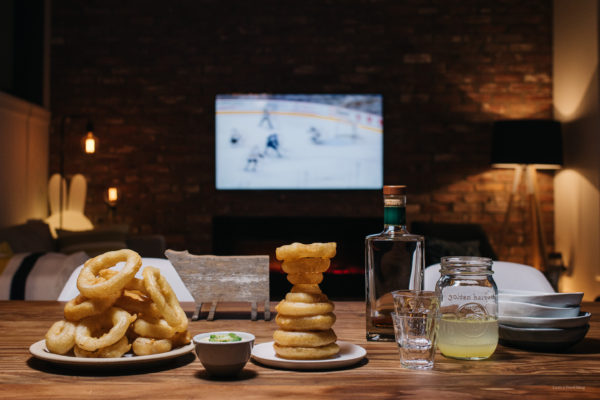 Beer Battered Onion Rings, Jalapeno Aioli
  2014 Holiday Gift Guide and a Giveaway
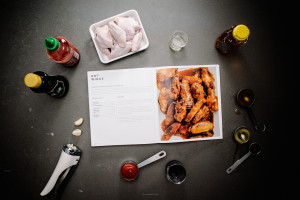 Easy Gourmet Hot Wings and a Giveaway!
 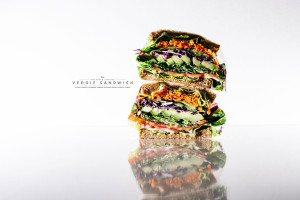 The Ultimate Veggie Sandwich
  Vegan(!) Creamy Corn Soup Recipe
  Sunday Brunch: Grilled Cheese Eggs Benny